1. Home
  2. Smart Home
  3. Legacy Archives

Google Testing Health Records System

Add as a preferred source on Google
 Google Testing Health Records System
Image used with permission by copyright holder

Internet giant Google has announced it has embarked on a pilot project with the Cleveland Clinic which will involve Google storing the medical records of between 1,500 and 10,000 patients. Participation will be voluntary—patients must consent to having their records handled by Google’s new service. The Cleveland Clinic already operates its own electronic records system called MyChart; however, the Google service will make medical records available to patients using the same passwords they can use to access Google’s other services, like GMail. The records will include details about prescriptions, medical conditions, allergies, and the like, the patients can allow physicians and others to access at their discretion.

"By using the GData protocol already offered in many Google products, and supporting standards-based medical information formats like the Continuity of Care Record (CCR), our health efforts will help you access, store and communicate your health information," wrote Alan Newberger, an engineer on Google’s health team. "Above all, health data will remain yours—private and confidential. Only you have control over when to share it with family members and health providers."

Recommended Videos

Google previously announced Google Health would open its doors in 2008, but the company hasn’t offered any information on expanding its pilot program.

Google isn’t the only major computing company looking at health information: Microsoft announced its own HealthVault program late last year, aiming to provide health information as well as secure access to medical records.

Privacy advocates have warned of the dangers of storig health records electronically: abuse or security problems with the systems could result in massive invasions of privacy, discrimination, extortion, loss of employment, or other serious consequences. In the United States, third-party health information services also aren’t covered by the 1996 Health Insurance Portability and Accountability Act (HIPAA), which means information on those systems may be more easily obtained by the government or a third party, or even be used for marketing purposes. (Google already parses the content of email and instant messages traversing its services to target advertising to its users.) Among other requirements, HIPAA mandates patients be informed by their physicians when they are subpoenaed for a patient’s medical records.

Geoff Duncan
Former Contributor
Geoff Duncan writes, programs, edits, plays music, and delights in making software misbehave. He's probably the only member…
Apple’s long-delayed smart home plans may finally start to take shape this fall
Bloomberg says Apple's long-awaited home hub, along with updated Apple TV and HomePod mini models, could roll out over the coming months.
An Apple HomePod 2023 on a media stand.

Apple's long-rumored smart home ambitions may finally be ready for prime time. According to Bloomberg's Mark Gurman, Apple is preparing to launch three new home products over the coming months, including a Siri AI-powered smart home hub, a refreshed Apple TV 4K, and an updated HomePod mini. The report pegs the Apple TV and HomePod mini for release this fall, while the new smart home hub is expected to arrive sometime "between October and early next year".

The wait for Apple's AI-powered home may be over soon

Read more
Top Smart Home Upgrades Worth Making Before Your Summer Break
From outdoor monitoring to smarter front-door security, these EZVIZ devices combine smart protection with daily convenience
Person, Security, Electronics

Summer often brings a welcome change of routine for homeowners across Europe. Family holidays, weekend getaways, and longer days spent outdoors mean more time away and fewer opportunities to stay connected to what's happening back at the property. While it's a season for slowing down and enjoying the warmer months, everyday responsibilities don't simply pause. Deliveries still arrive, visitors may stop by unexpectedly, and trusted family members, cleaners, or pet sitters may occasionally need access while you're away.

Modern smart home technology makes those situations easier to manage. Today's connected devices can do far more than record footage or send motion alerts. They can help homeowners monitor outdoor spaces around the clock, stay informed about important activity, communicate with visitors remotely, and manage entry without needing to be physically present. Instead of constantly checking in or wondering whether everything is running smoothly back home, the right setup can provide greater visibility, convenience, and peace of mind throughout the season.

Read more
EZVIZ Sets a New Benchmark for Battery Powered Home Surveillance
Because every property deserves protection without compromise
Person, Security, Tape

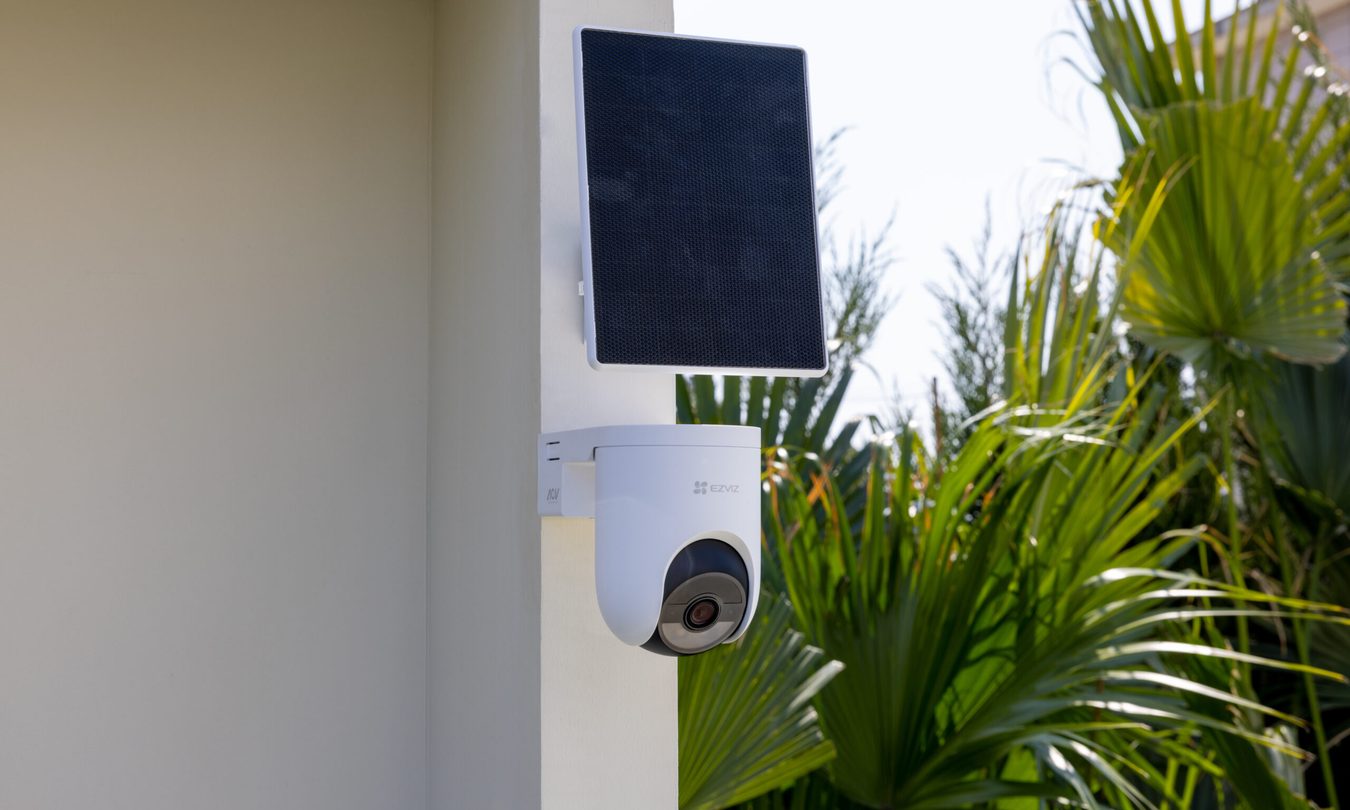
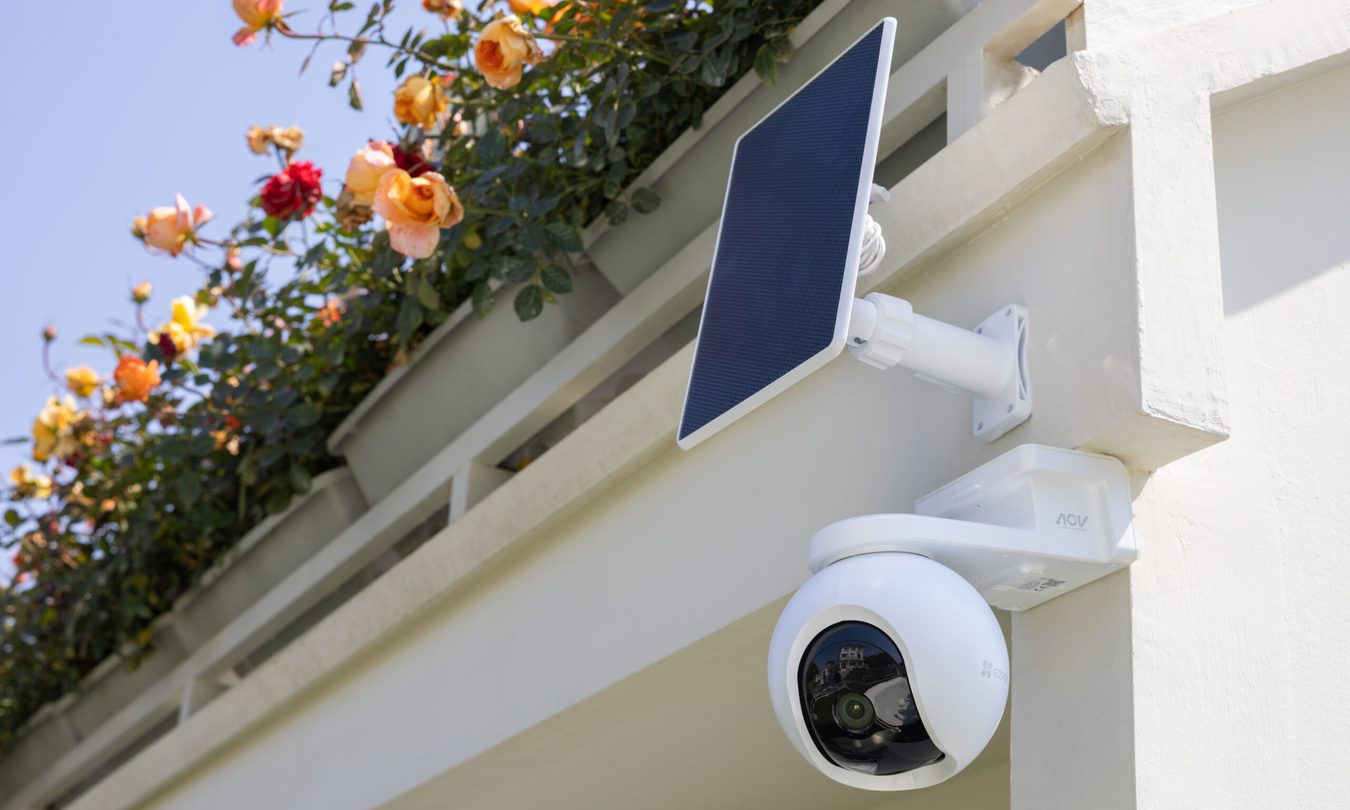
Battery-powered smart cameras have become one of the fastest-growing categories in home monitoring. Once valued primarily for their seamless installation, today's models combine advanced visual technology, AI-powered intelligence, and dependable long-term performance that rivals many traditional wired systems. As innovations such as Always On Video 2.0 and solar charging continue to improve everyday usability, battery cameras are becoming the preferred choice for homeowners seeking flexible, comprehensive outdoor protection.

This shift has also raised expectations. Modern users want more than clear video. They expect smart detection, reliable monitoring, seamless smart home integration, and solutions that adapt to different property sizes and lifestyles. As one of the world's leading smart home camera brands, EZVIZ has responded by building one of the industry's most comprehensive portfolios of battery-powered cameras. The lineup is designed to serve every living situation, whether for renters or owners of apartments, condominiums, or villas. From accessible options for everyday monitoring to advanced multi-lens systems for larger and more demanding environments, the portfolio reflects a strong focus on innovation, user-centric design, and real-world needs.

Read more