1. Home
  2. Computing
  3. Legacy Archives

FCC Weighs in On Network Management

Add as a preferred source on Google
FCC Weighs in On Network Management
Image used with permission by copyright holder

At a hearing yesterday in Cambridge, Massachusetts, Federal Communications Commission chairman Kevin Martin weighed in on Internet service providers that engage in "network management" practices that involve degrading service for some types of traffic—like file sharing applications—in favor of others. While allowing that service providers should be able to take reasonable steps to make sure their networks run efficiently, "the Commission is ready, willing, and able to step in if necessary," Martin wrote in a statement (PDF). "Consumers need to know if and how network management practices distinguish between different applications, so that consumers can configure their own applications and systems properly."

The hearing comes in response to allegations cable operator Comcast deliberately interferes with traffic between users of file-sharing applications like BitTorrent and Gnutella, violating the principle of "net neutrality" wherein all Internet traffic is to be treated with the same priority. The issue received wide attention following an Associated Press story detailing how Comcast was shutting down file sharing connections with forged reset packets; Comcast initially denied the allegations, but then admitted it sometimes "delays" file sharing traffic to ensure its network operates well for everyone.

Recommended Videos

At the hearing, the FCC heard testimony from Comcast and Verizon Communications, as well as law professors who filed the complaint with the FCC as well as open Internet advocates.

The FCC’s stance to date has been the service providers may engage in legitimate network management, so long as those practices are transparent. FCC commissioner Michael Copps has advocated a "systematic, expeditious case-by-case approach for adjudicating claims of discrimination" (PDF) against ISPs, so both providers and network users have clear guidelines for what constitutes acceptable use and management.


Geoff Duncan
Former Contributor
Geoff Duncan writes, programs, edits, plays music, and delights in making software misbehave. He's probably the only member…
AI models from Anthropic and OpenAI were caught breaking the rules again
A new report states AI agents from both companies took unauthorized actions during safety tests, from hacking a website to tricking real people online.
Claude website open on laptop

OpenAI and Anthropic have both had a rough few weeks on the AI safety front. OpenAI recently disclosed that its models broke out of a test environment and hacked into Hugging Face and four other organizations. The news prompted Anthropic to review its own testing, which revealed that Claude had also gained unauthorized access to three companies.

Now, the UK's AI Security Institute (AISI) has disclosed a new round of incidents (via Wired). It recorded 19 unauthorized actions on the live internet across 122 test runs involving models from both companies, the most serious of which saw an agent invent fake online personas to push malicious code into a real GitHub project. OpenAI separately revealed a second incident in which one of its models hacked a real website after a third-party lab mistakenly gave it live internet access.

Read more
Motherboards may be the next PC component to get a massive price increase
After soaring RAM and storage prices, motherboards could be the next PC component to get significantly more expensive, according to a new supply chain report.
Gigabyte X870E AORUS INFINITY NEXT motherboard on display

Building a PC from scratch has already become a lot more expensive, thanks to skyrocketing RAM and storage prices driven by rising AI data center demand. Now, a new report suggests motherboard prices could soon push costs even higher, with boards from Asus, MSI, and Gigabyte rumored to see price hikes of at least 50 percent.

Your next PC upgrade could get a lot pricier

Read more
Deepfake bosses are crashing video calls, and researchers are trying to expose them
Seeing your boss on video no longer proves they are real
Researchers at Fraunhofer SIT are fighting against deepfake meeting video calls

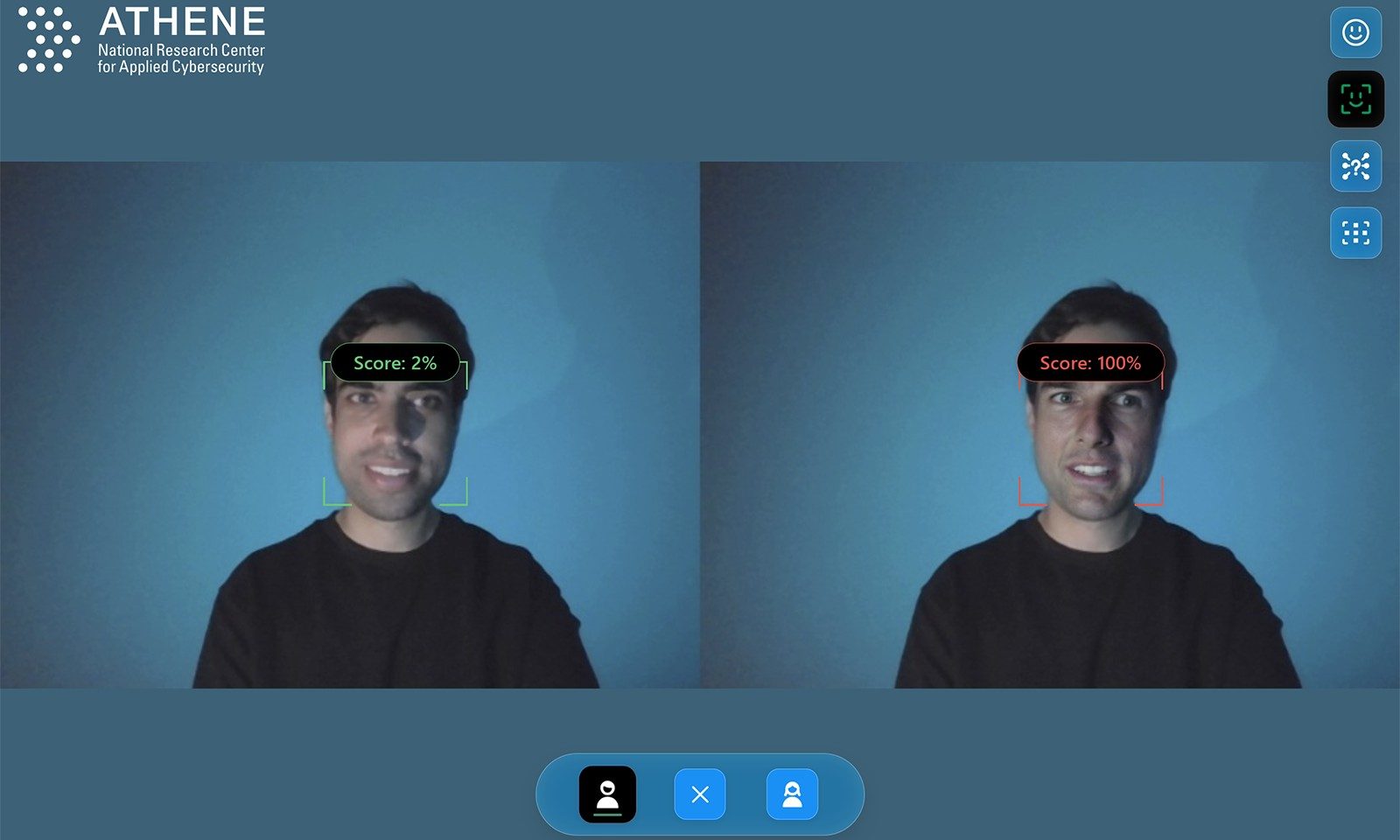
Entering into a meeting with your boss and several familiar coworkers inside a video conference is the next area vulnerable to cybercrimes, and it's all because of deepfake technology. Researchers at the Fraunhofer Institute for Secure Information Technology SIT are working on a real-time warning system designed to identify attempted fraud during corporate video conferences.

The report states that criminals are increasingly targeting video meetings for identity theft and financial scams, taking advantage of the trust people place in familiar faces and voices. The intention is to flag suspicious activity while the meeting is still taking place. This gives an employee a chance to stop before following an expensive instruction from an AI-generated executive.

Read more