Over the years, Apple has developed a reputation for “sherlocking.” In simplest terms, it’s just Apple drawing “inspiration” from a popular third-party app or utility, and implementing it on its own platforms. For example, Spotlight got a native clipboard with macOS Tahoe and sherlocked the popular open-source app named Maccy.
Likewise, the new shortcuts system baked within Spotlight is being seen as a brewing attempt to sherlock apps such as RayCast. But while at it, Apple doesn’t quite literally do a copy-paste job. The apps that started it all continue to iterate and keep users stuck with them.
But sherlocking has its limit, and a preferential side to it. Apple doesn’t ape it all. And that also means the macOS experience requires you to rely on a variety of menu bar utilities and apps to get your work done. One such app that has recently become a mainstay on my MacBook Air is SideTab. It’s a productivity powerhouse with a side serving of declutter treatment.
What is SideTab?

Remember the Edge Panel on Samsung Galaxy phones, or the smart sidebar on OnePlus devices? That’s basically it. You get a collapsible tray of apps and shortcuts that you can pull up at your convenience, get the “minor” work done, and return to the core task.
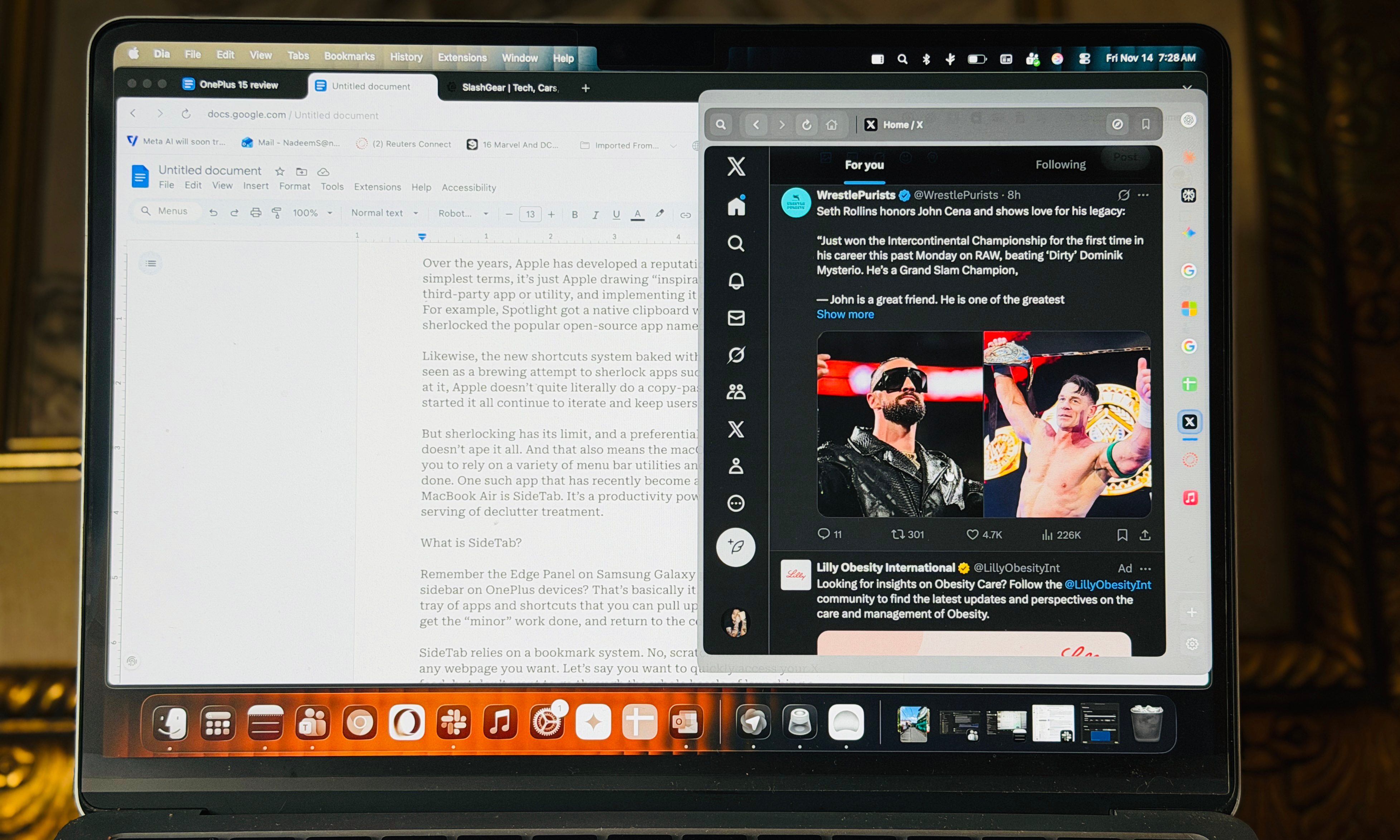
SideTab relies on a bookmark system. No, scratch that. It can handle any webpage you want. Let’s say you want to quickly access your X feed, but don’t want to go through the whole hassle of launching a browser, opening a fresh tab, and going to the X website.
With SideTab, you have an X shortcut ready. All you need to do is hit the key combo, click on the X icon, and you have access to the feed in a neat side panel on your screen. Once you’re done, it smoothly slides away.
For coding help, I put Claude at the top. To get work done within my Workspace environment, I tap into Gemini. Perplexity is there for quick research. I’ve also turned SideTab into a dashboard for Apple Music, social media surfing, and email duties. It essentially acts like a mini browser that launches from the edge of your Mac’s screen and then gets tucked inside when the task is over.
It’s a serious productivity powerhouse
The whole idea behind SideTab is offering quick access to frequently visited websites and tools, and then returning to core work. In hindsight, it saves you from the clutter of split-screen multitasking and the tab crowding that is already bringing your active browser window to its knees.
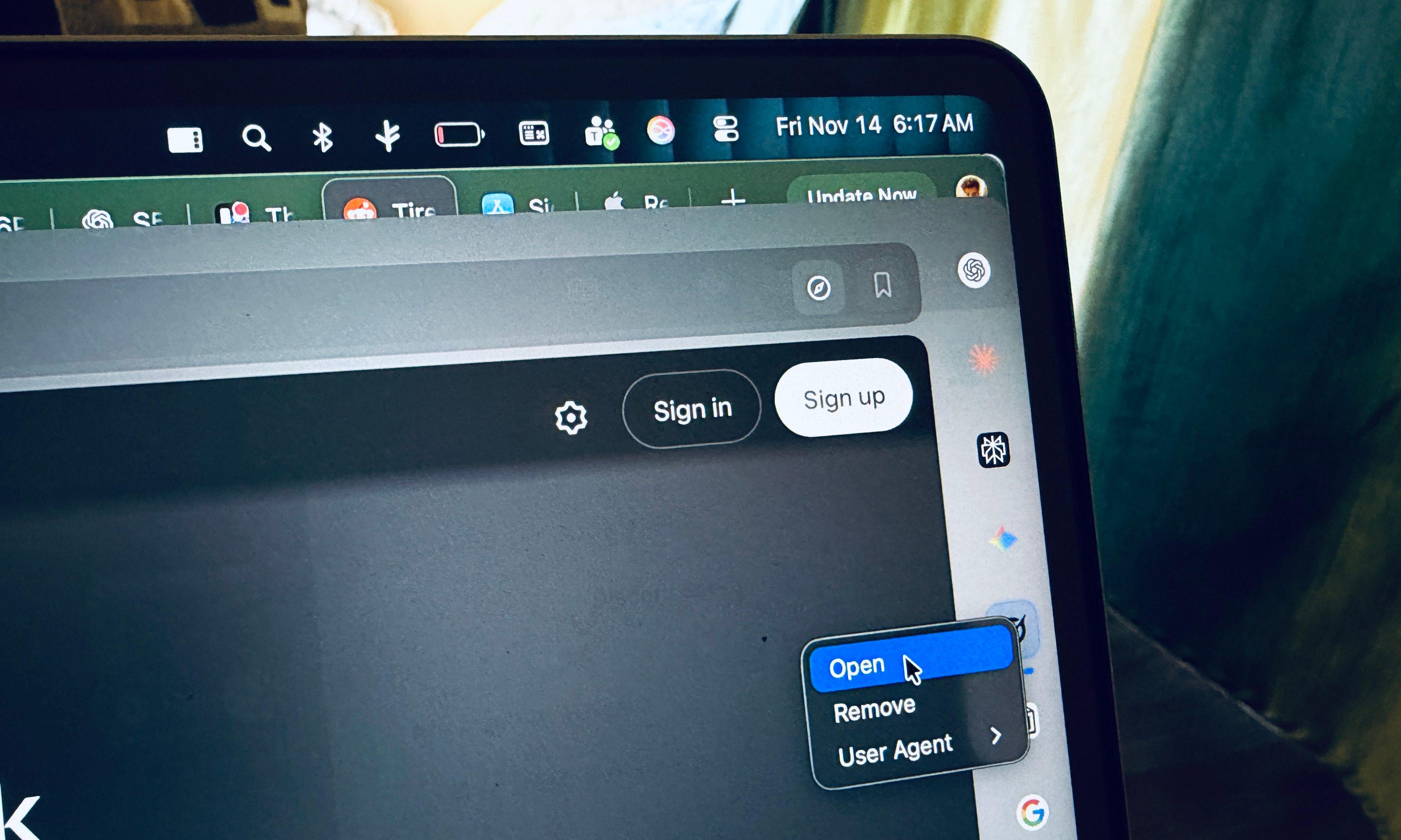
SideTab actually offers a neat trick to keep the browser load at bay, while also keeping your log-ins intact. Let’s say your daily driver is Safari, but for shopping and social media, you rely on Chrome.
Instead of opening yet another tab or browsing window in Safari, you can assign your Amazon and Instagram web bookmarks to Chrome. So, the next time you open these apps in the SideTab panel, they will run within a Chrome instance instead of Safari.

None of that gets logged into your Safari history either. I have a whole bunch of web-based utilities, from meme-making to task managers, that I must check out regularly. SideTab lets me access them in a discretely convenient fashion.
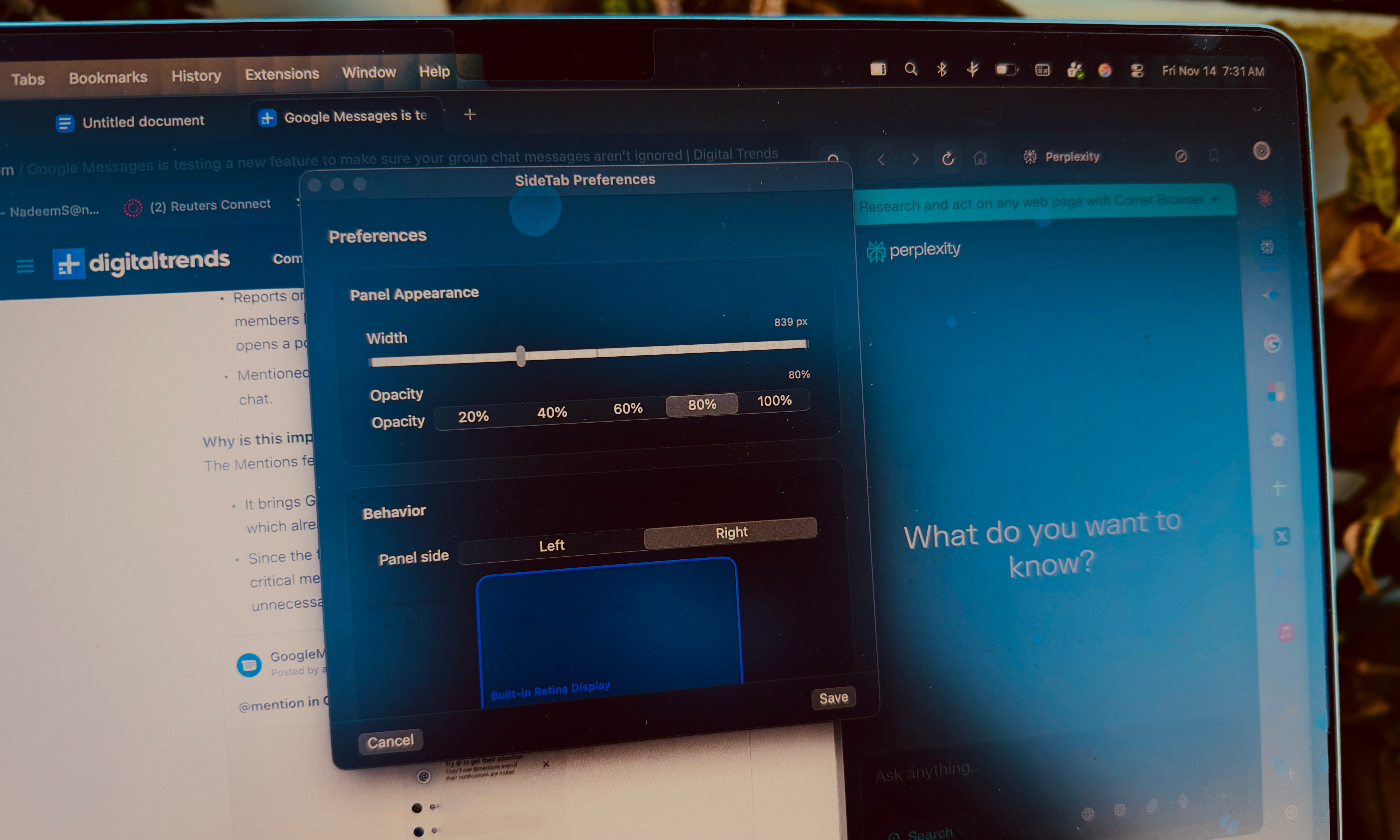
With SideTab, it’s easy to keep an eye on those tools without losing focus on the foreground work. The shortcut for opening and closing the SideTab is fully customizable, and you can also adjust its width and window transparency, too. It’s clean, convenient, and gets the job done in a non-intrusive fashion.
Solving the big Safari problem
In the age of AI browsers, Safari has remained a big laggard. And ever since I’ve shifted my workload to the likes of ChatGPT Atlas and Dia, legacy browsers like Safari have started to feel functionally constrained. One of the biggest misses is not having an AI side panel.
The side panel in Atlas offers quick access to ChatGPT (with all its bells and whistles), while Edge gives you access to Copilot. You get a similar convenience in Dia, Perplexity’s Comet, and Opera Neon. The AI side panel, which is also collapsible just like SideTab, is a fantastic place for background research and contextual queries without having to open another tab or launch a Google Search.
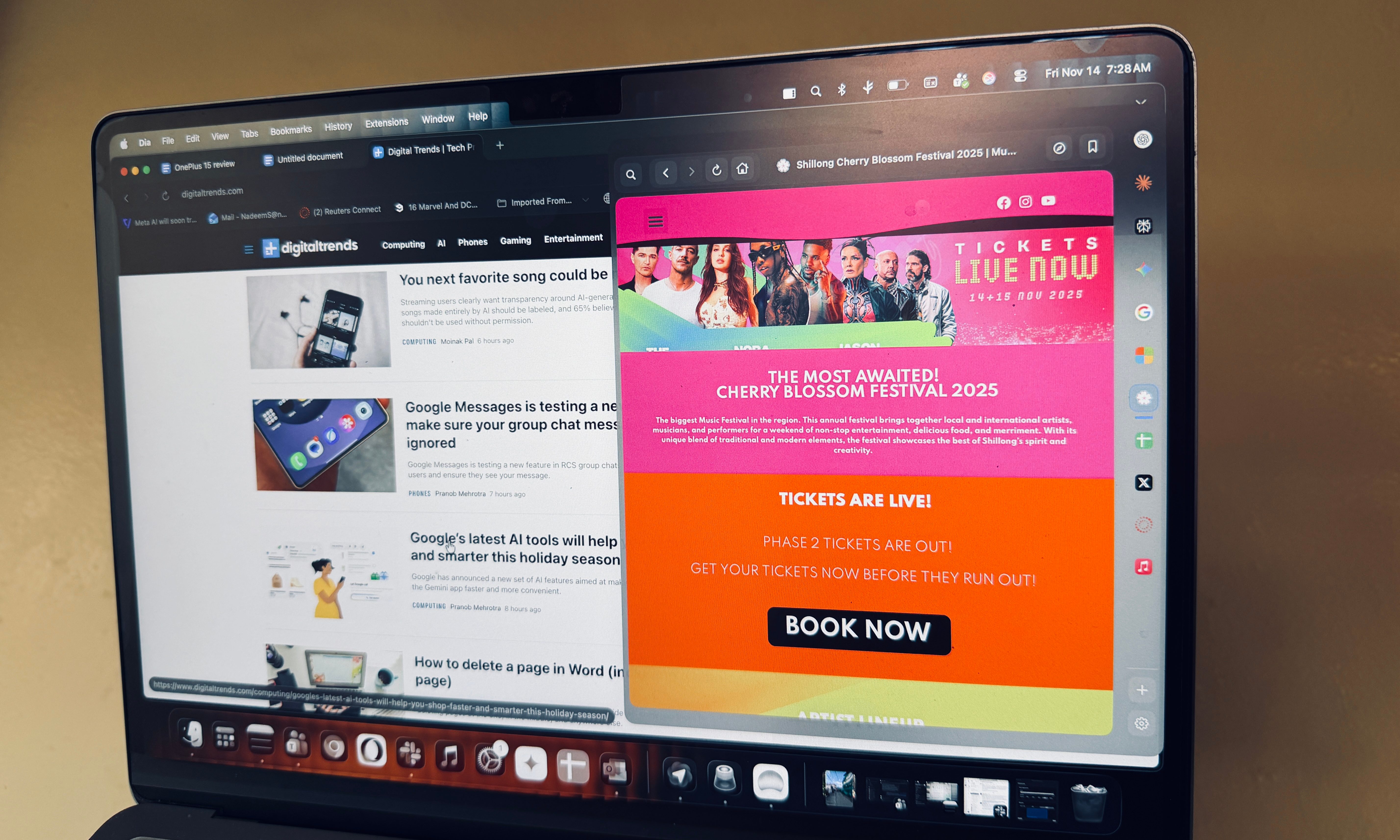
But that’s just the tip of the iceberg. It’s the power tools, such as Deep Research and custom skills available within the side panel, that really supercharge your work. SideTab doesn’t quite add a built-in sliding AI pane to Safari. It does something better.
Without overloading system resources allocated for Safari, it lets you access tools such as Claude, Perplexity, and Gemini running in an entirely different browser container and without taking the entire screen space.
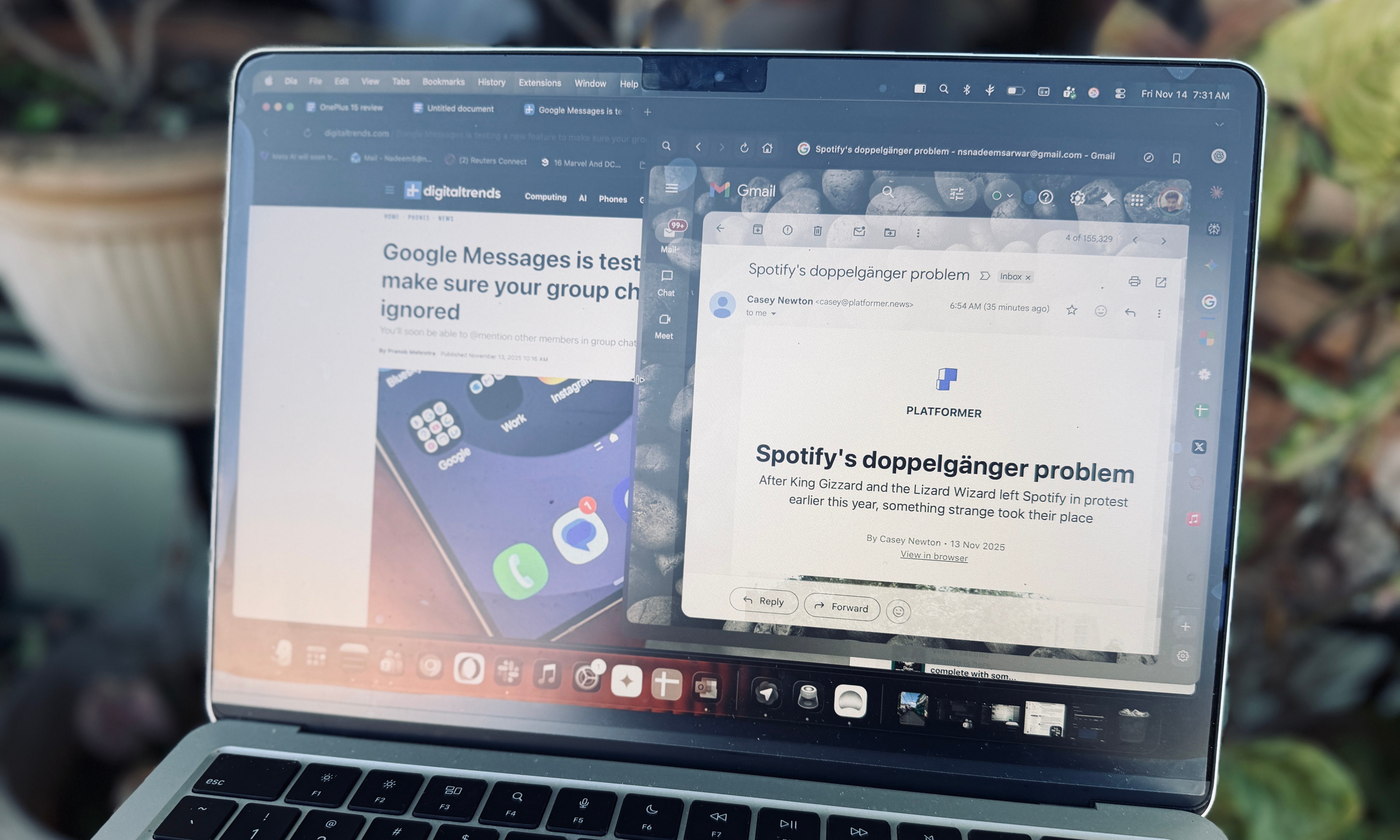
And we are talking about the full Gemini or ChatGPT web experience here. That means you can tap into file analysis, Nano Banana image generation, Deep Research, Agent Mode, Perplexity shortcuts, custom GPTs and Gems, and a lot more.
In fact, it fills the AI gap in Safari in an even better fashion than what you natively get from ChatGPT Atlas or Edge browser. That’s because instead of limiting yourself to a certain AI tool like Gemini or ChatGPT, you can keep the whole bundle ready, each dedicated to a specific task.
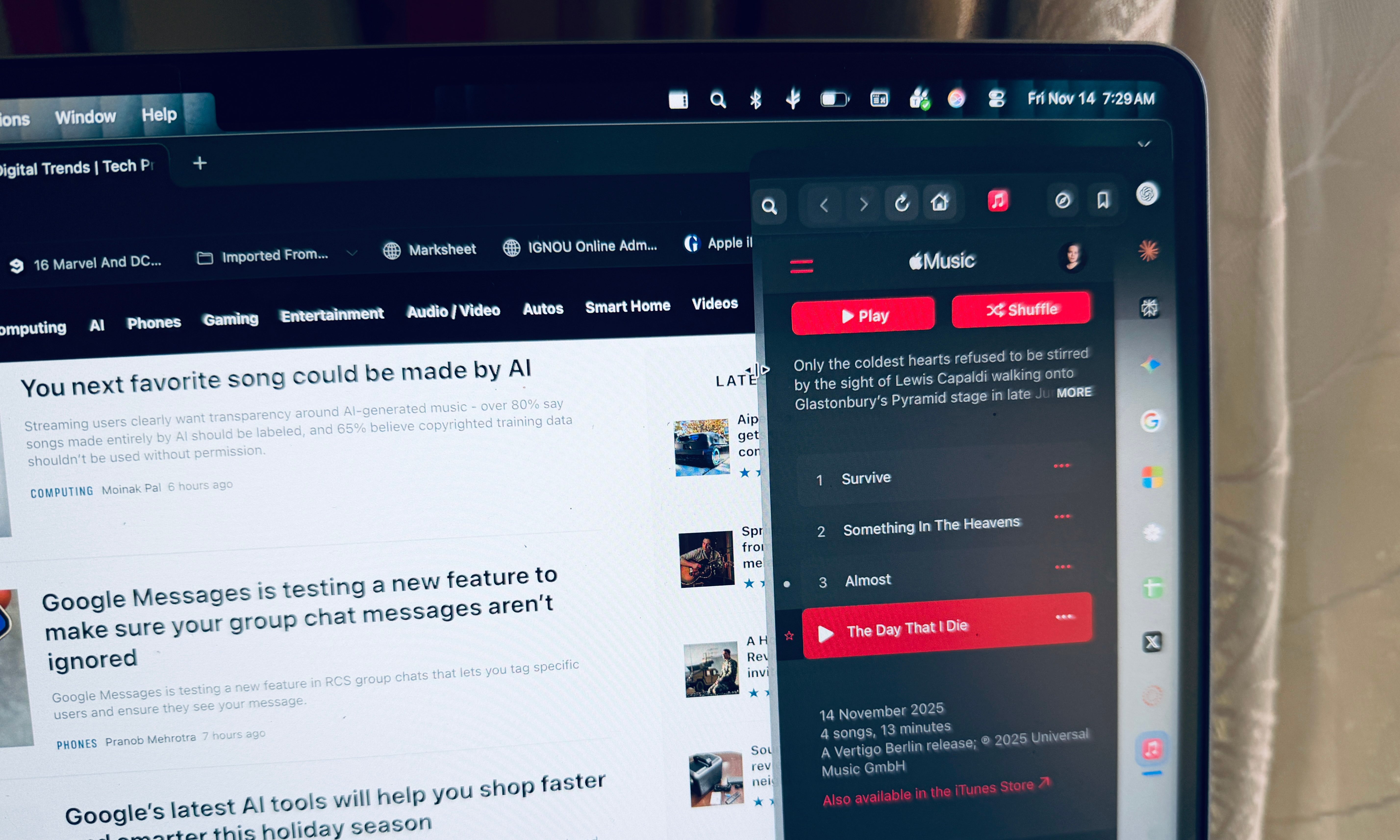
Over the past week, it has proven to be so convenient and incredibly impressive that I no longer feel dread while launching Safari. All the AI tools I need are just a keyboard shortcut away, and so are the web utilities that I need to check frequently — without having to deal with a tab mess.
Overall, it’s fast, frugal on resources, and does so much more than it appears to be on the surface. So far, it’s proven to be the most useful Mac utility I’ve tried this year. The only minor hiccups are the inability to set custom icons and the sporadic log-in issues. The rest is just fantastic.
Download SideTab from the Mac App Store.