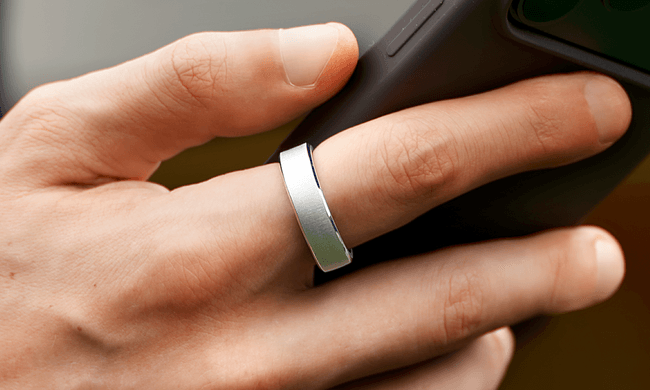
If you’ve received a brand-new fitness tracker for Christmas, or have given yourself the admirable New Year’s resolution of getting fitter, then you’ll want to know how to use tech to achieve this goal. I’ve been using and reporting on the gadgets for many years, and have amassed some useful advice to keep in mind.
A fitness tracker is a smaller and more affordable version of a smartwatch, which is designed for elegance and ease of use while still keeping its finger on the literal and metaphorical pulse of your body. They’re great as gifts, or as commitments to yourself that you’re going to get fitter than ever, letting you mind your body without buying something top-end like the Apple Watch Ultra 3.
So if your goal for 2026 is to get fitter than ever, whether it’s because you’ve got a big goal you want to achieve, or because you want to get more in tune with your body, here are five pieces of advice that’ll help you stay healthy and informed.
Wear it for life, not just for exercising

A simple mistake many people make with fitness trackers, is that they only put it on when they want to track fitness. They’ll wear it for a run or when going on a long walk, but then remove it when they’re finished.
In fact, your fitness tracker can track a lot more, and you should keep it attached to your wrist for as much of your day as possible. Most will track sleep if you wear them at night, heart rate at points during the day and the calories you burn from minor tasks that you’d never consider to be exercise.
Of course to do these, the fitness tracker needs to be on your wrist all of the time (except when charging, of course). So try to keep it worn all the time, and you’ll be surprised by just how much your new wearable can monitor.
Make sure you explore all of its features

If you want to let your fitness wearable inspire your fitness, just browse its menus to see what kinds of activities it can track. You may have only bought it for counting your steps or tracking your sleep, but most models on the market can do a lot, lot more than that.
Most modern fitness trackers can collect information on well over 100 different kinds of activity, and some have unique other modes like workout training, run guidance or HIIT. These might inspire you to pick up an exercise or activity you hadn’t considered, or train more seriously something you already do.
Use your data instead of just collecting it

Through using your sleep tracker, you can collect a huge amount of information: run times, sleep schedule, heart rate over time and so on. But all this data is meaningless if you don’t actually use it.
Remember to use your fitness tracker’s phone app, as it’ll collate information on every metric it studies. Most will give you breakdowns on individual workouts or sleep sessions, like route and pace for a run or REM stages when napping, and these can be useful in helping you understand what factors to change or how to exercise differently in order to improve your fitness.
In addition, most fitness trackers will show you the data in graphs over time, either for individual activities or for some kind of virtual fitness currency. This can be really helpful for seeing overall fitness trends: are you getting fitter or plateauing? And when you’ve used the fitness tracker long enough, you can see other trends emerge: maybe you sleep worse in warmer weather, or run slower during the winter. With this information, you can better understand your body.
Don’t be afraid of accessories

Like any kind of gadget, a fitness tracker can benefit from a little extra money spent on accessories. You can buy these from the company itself, or from a third-party accessory maker.
The most common purchase many make is on a new band. The in-box ones are often fit for purpose, but rather basic. Thankfully most brands sell alternatives using a range of designs, materials and colors, so you can pick a build which works with your body as well as your outfit. Perfect for fashionistas who need a specific color, those with sensitive skin who need a certain material, or wearers who find that the default strap doesn’t work well on their wrist.
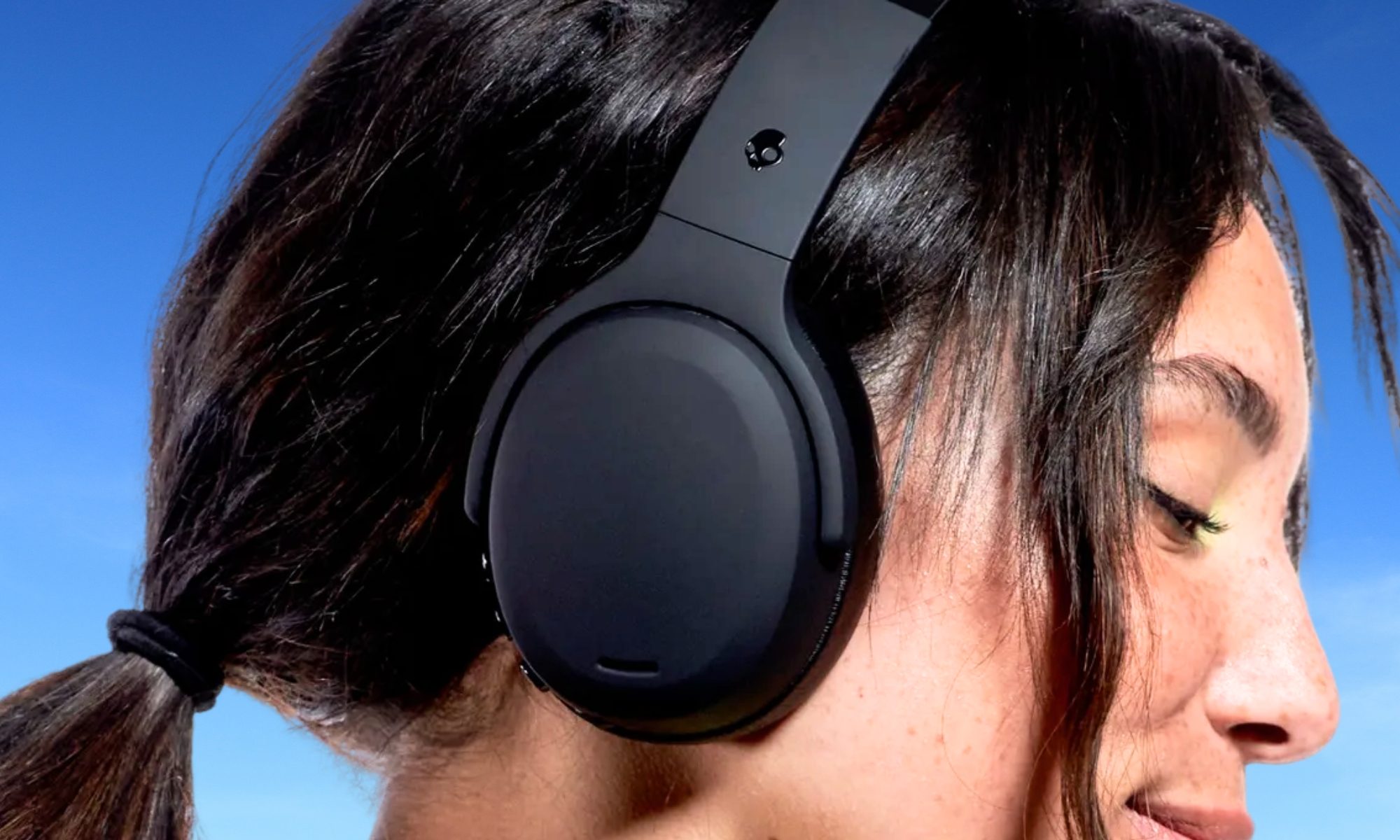
There are a few other things to buy which could help. Some fitness trackers offer cases to keep the body protected from hard knocks if you do endurance sports, and a charging stand can make powering up the tracker quick and easy. If you have one that can store music on it, wireless workout headphones will also help you appreciate this feature.
Don’t sweat it too much

The most important thing to remember when trying to be fit, is that you always need to listen to your body, not just a fitness tracker (even though that might have useful insight that you don’t gain from your body).
If your tracker is telling you it’s time for a run, or that you need to push yourself with a workout, or that you got enough sleep, that’s all useful to hear. But tech isn’t all-knowing and your body can report on its status: just see how you feel.
Plenty of people rely too heavily on fitness trackers and forget to check in with themselves from time to time, but the healthiest people know to maintain a… well, a healthy relationship with their tech.