1. Home
  2. Wearables
  3. News

Rokid’s AI glasses offer a more affordable route to wearables than Meta Ray-Ban

Rokid's lightweight, screenless AI glasses with multiple AI assistant options now available at $299

Add as a preferred source on Google
Rokid AI Glasses Style
Rokid

Rokid’s AI Glasses Style is launching globally at $299, positioning itself as a more affordable alternative to Meta’s Ray-Ban smart glasses. Instead of chasing augmented reality visuals, Rokid has deliberately skipped a built-in screen altogether.

The AI Glasses Style is completely screenless and weighs just 38.5 grams, making it light enough to wear all day without discomfort. Instead of visual overlays, it relies on voice, audio, and a built-in 12MP Sony camera capable of shooting 4K video in clips up to 10 minutes.

Recommended Videos

Battery life is rated at up to 12 hours of typical use, thanks to a dual-chip design that separates low-power voice tasks from heavier AI processing.

How Rokid’s approach is different from Meta’s

The biggest philosophical split between Rokid and Meta is what these glasses are meant to do day to day. Meta’s Ray-Ban glasses lean heavily toward content capture and social sharing. Rokid, by contrast, focuses on voice-first AI assistance.

Using a “Hey Rokid” wake word, you can trigger real-time translation in dozens of languages, meeting transcription, summaries, object recognition, and navigation prompts, all delivered through open-ear speakers without needing to constantly check a phone screen.

Rokid is also pushing an open AI ecosystem rather than locking you into a single assistant. The glasses support models like ChatGPT and DeepSeek. It can also tap into services such as Google Maps and Microsoft’s translation tools. This flexibility stands in contrast to Meta’s more closed, Meta-centric approach, which ties features closely to its own apps and services.

Rokid also claims to offers world’s first precision lens service. The AI Glasses Style is designed to be prescription-first, allowing buyers worldwide to order custom lenses by uploading prescriptions up to around ±15.00D, and optional photochromic lenses.

Combined with the lower price, lighter build, and focus on practical AI tasks, Rokid’s AI Glasses Style offer a compelling, more affordable path into smart wearables than Meta’s Ray-Ban lineup.

Manisha Priyadarshini
Manisha Priyadarshini is a tech and entertainment writer with over nine years of editorial experience.
OASIS Smart ring hides a trackpad and it lets you whisper-control your computer
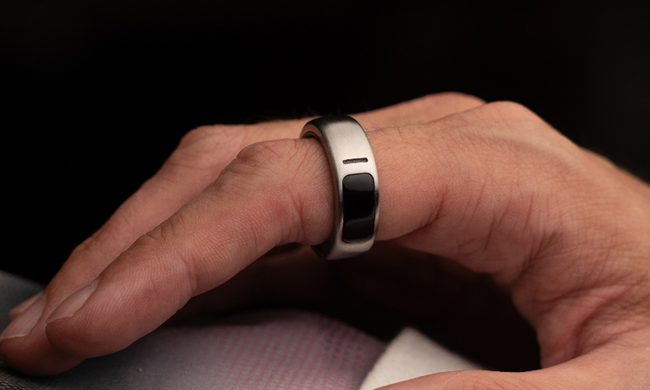
OASIS 1 pairs private AI dictation with a tiny trackpad built into the ring itself
OASIS Smart ring Featured on hand

For decades, we've interacted with computers using keyboards, mice, and touchscreens. OASIS thinks it's time for something different. The startup has unveiled the OASIS 1, a smart ring designed for private AI dictation, letting users whisper naturally while a built-in microphone transcribes their words. And when the AI inevitably gets something wrong? There's a tiny trackpad built into the ring to fix it.

A microphone on your finger, a trackpad in the same ring

Read more
Samsung has a new Galaxy Ring coming and it could pull off some new health trick
Samsung is working on a new ring as it pushes AI-powered health alerts that could matter most when users feel fine.
Galaxy Ring in gold colorway.

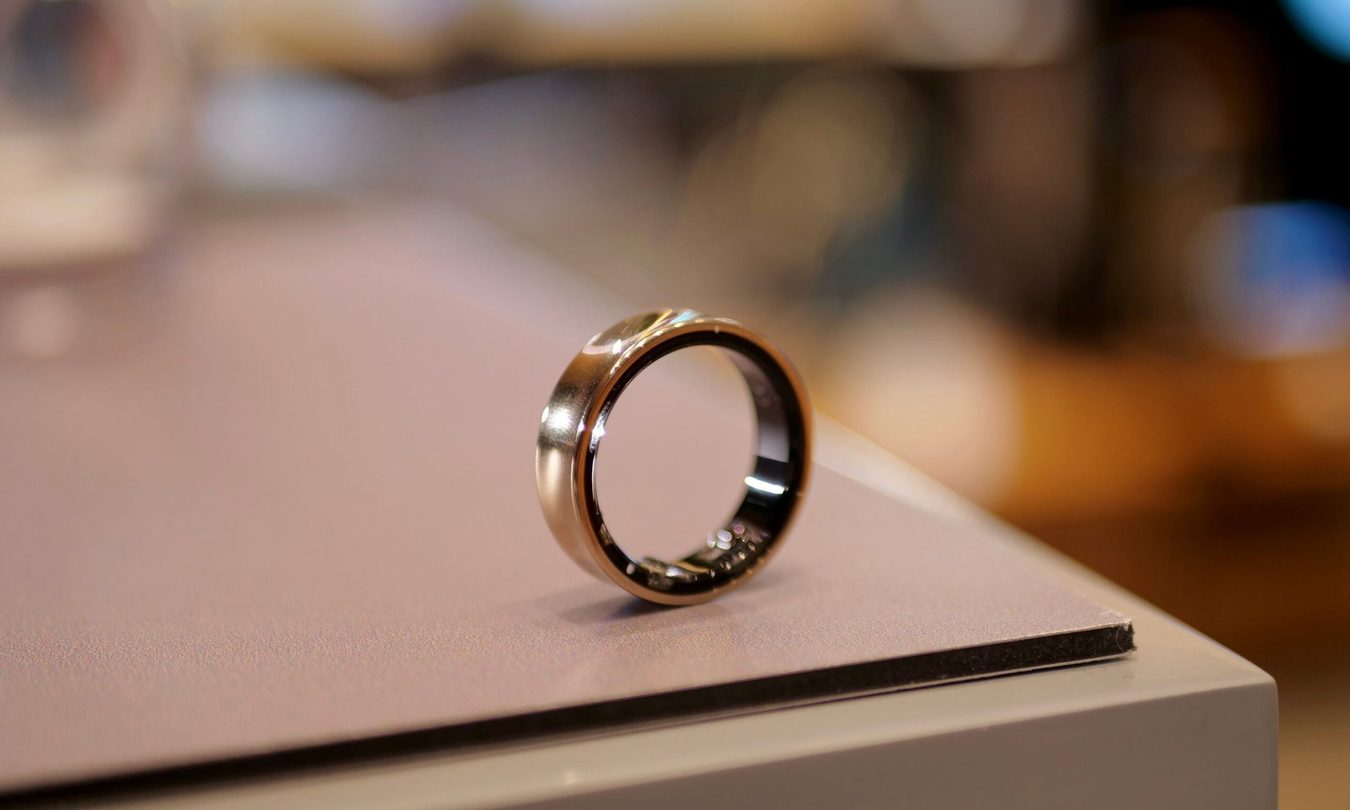
Samsung is working on a new Galaxy Ring, and the most important upgrade may come from what happens after the ring collects health signals in the background.

Hon Pak, who leads Samsung's digital health team, told Forbes that a next generation ring is in development. Samsung hasn't announced the name, launch timing, price, regions, or specs, so Galaxy Ring 2 remains a useful shorthand rather than a confirmed product name.

Read more
Xreal Aura glasses reservations are finally live, and it sort of sticks to its $1,500 promise
Snap Specs for over $2,000 now looks a little too expensive
Person wearing Xreal Project Aura smart glasses.

After one final teaser earlier this month, Xreal has just opened up the reservations for its new Aura smart glasses. The company had promised to try to keep the pricing under $1,500 for the new AR wearables. And now, it has officially been listed for reservations for exactly that amount.

The new Android XR-powered spatial computing glasses will retail for $1,500 for the base model, though this is before tax. It is expected to be released in the fall of 2026. While this isn't a humble price tag by any means, it still undercuts the competition, which is Snap's new Specs that are priced just under $2,200.

Read more