1. Home
  2. Computing
  3. News

New study shows AI isn’t ready for office work

Your job is safe for now as AI still struggles with real office tasks

Add as a preferred source on Google
openai-chatgpt-os
Levart_Photographer / Unsplash

It has been nearly two years since Microsoft CEO Satya Nadella predicted that generative AI would take over knowledge work, but if you look around a typical law firm or investment bank today, the human workforce is still very much in charge. Despite all the hype about “reasoning” and “planning,” a new study from training-data company Mercor explains exactly why the robot revolution is stalled: AI just can’t handle the messiness of real work.

A reality check for the “replacement” theory

Mercor released a new benchmark called APEX-Agents, and it is brutal. Unlike the usual tests that ask AI to write a poem or solve a math problem, this one uses actual queries from lawyers, consultants, and bankers. It asks the models to do complete, multi-step tasks that require jumping between different types of information.

The results? Even the absolute best models on the market—we are talking about Gemini 3 Flash and GPT-5.2—couldn’t crack a 25% accuracy rate. Gemini led the pack at 24%, with GPT-5.2 right behind it at 23%. Most others were stuck in the teens.

Why AI is failing the “office test”

Mercor CEO Brendan Foody points out that the issue isn’t raw intelligence; it’s context. In the real world, answers aren’t served up on a silver platter. A lawyer has to check a Slack thread, read a PDF policy, look at a spreadsheet, and then synthesize all that to answer a question about GDPR compliance.

Humans do this context-switching naturally. AI, it turns out, is terrible at it. When you force these models to hunt for information across “scattered” sources, they either get confused, give the wrong answer, or just give up entirely.

The “Unreliable Intern”

For anyone worried about their job security, this is a bit of a relief. The study suggests that right now, AI functions less like a seasoned professional and more like an unreliable intern who gets things right about a quarter of the time.

Recommended Videos

That said, the progress is terrifyingly fast. Foody noted that just a year ago, these models were scoring between 5% and 10%. Now they are hitting 24%. So, while they aren’t ready to take the wheel yet, they are learning to drive much faster than we expected. For now, though, the “knowledge work” revolution is on hold until the bots learn how to multitask p

Moinak Pal
Moinak Pal is has been working in the technology sector covering both consumer centric tech and automotive technology for the…
Microsoft wants Windows 11’s right-click menu to work the way it should, by giving users more control
A new compact design promises better performance, cleaner menus, and long-awaited customization options.
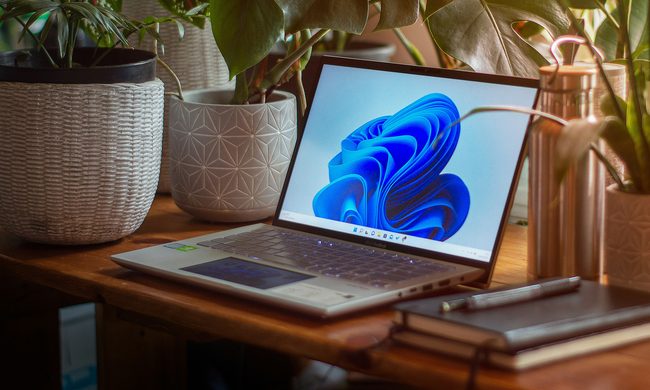
Windows 11 laptop on a desk

One of the biggest complaints about Windows 11 since launch has been its slow and cluttered right-click menu. Now, Microsoft appears ready to finally address both issues. According to a new report from Windows Central, the company is working on a major overhaul of Windows 11's context menu, introducing a new compact design that's not only faster to load but also fully customizable. The redesign is said to be part of Microsoft's broader Windows K2 initiative, which focuses on improving the operating system's performance, consistency, and overall user experience.

A faster menu with less clutter

Read more
Maingear’s Zero desktop is a wire-free beauty with curved glass and plenty of firepower
Hate cables? This is the one to get if a clutter-free PC was ever your dream.
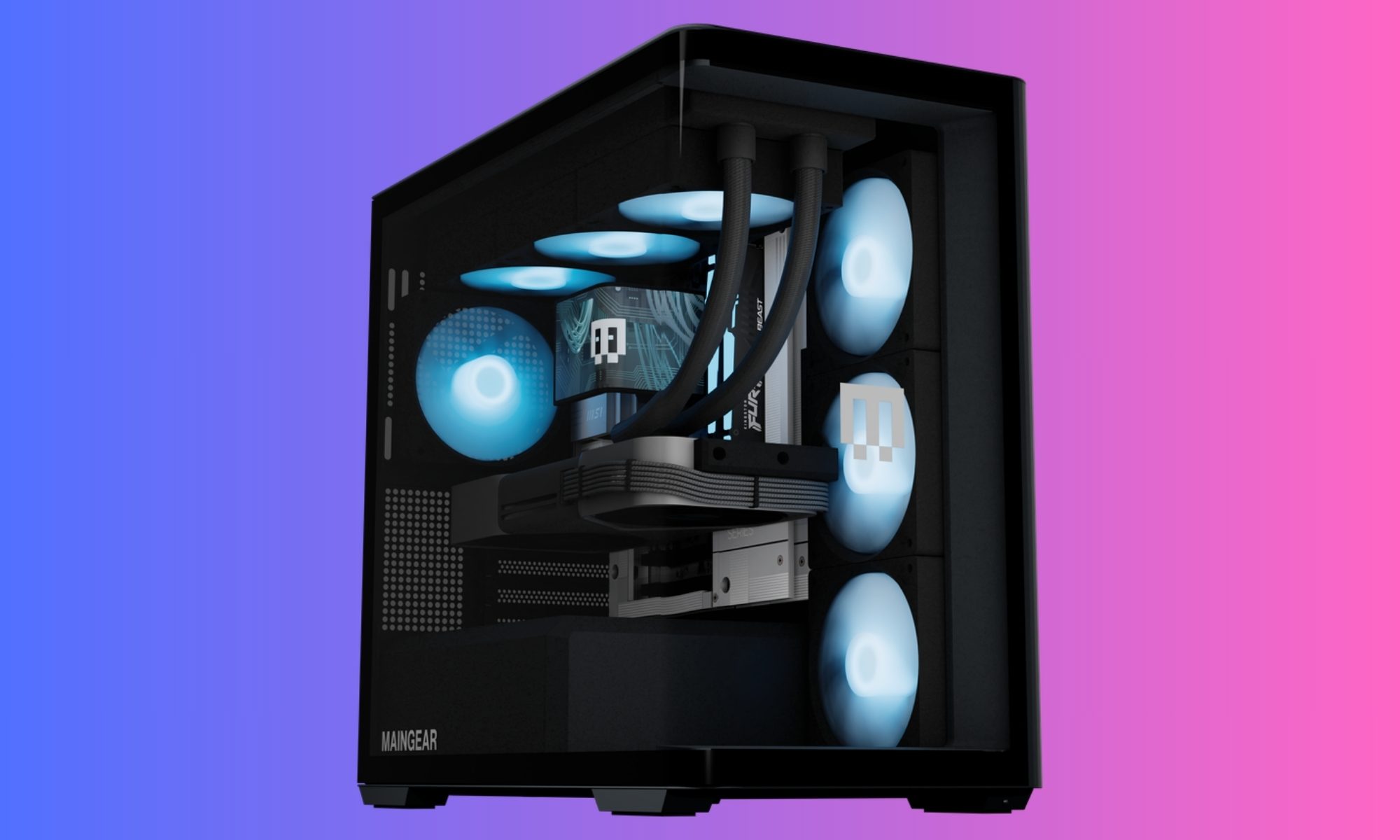
Maingear Zero desktop PC.

When building a PC, especially one that you want to flaunt, wires always spoil the looks if you are chasing the glass aesthetic. Exposed cables, visible RGB strips, and cooling tubes spoil the whole look. Maingear finally has a solution for fans of glass-y desktops.  

The brand has today introduced its next-gen Zero series pre-built desktop PCs that focus on a minimalist look as much as they are concerned about serving brute computing power. The objective, as per Maingear, is to deliver “no visible motherboard cables, no exposed RGB diodes, and nothing standing between you and your build."

Read more
Lenovo’s leaked Yoga 9n could be the first RTX Spark-powered convertible laptop
NVIDIA RTX Spark, a 360-degree design, and AI-focused hardware could make this Lenovo's most ambitious Yoga yet.
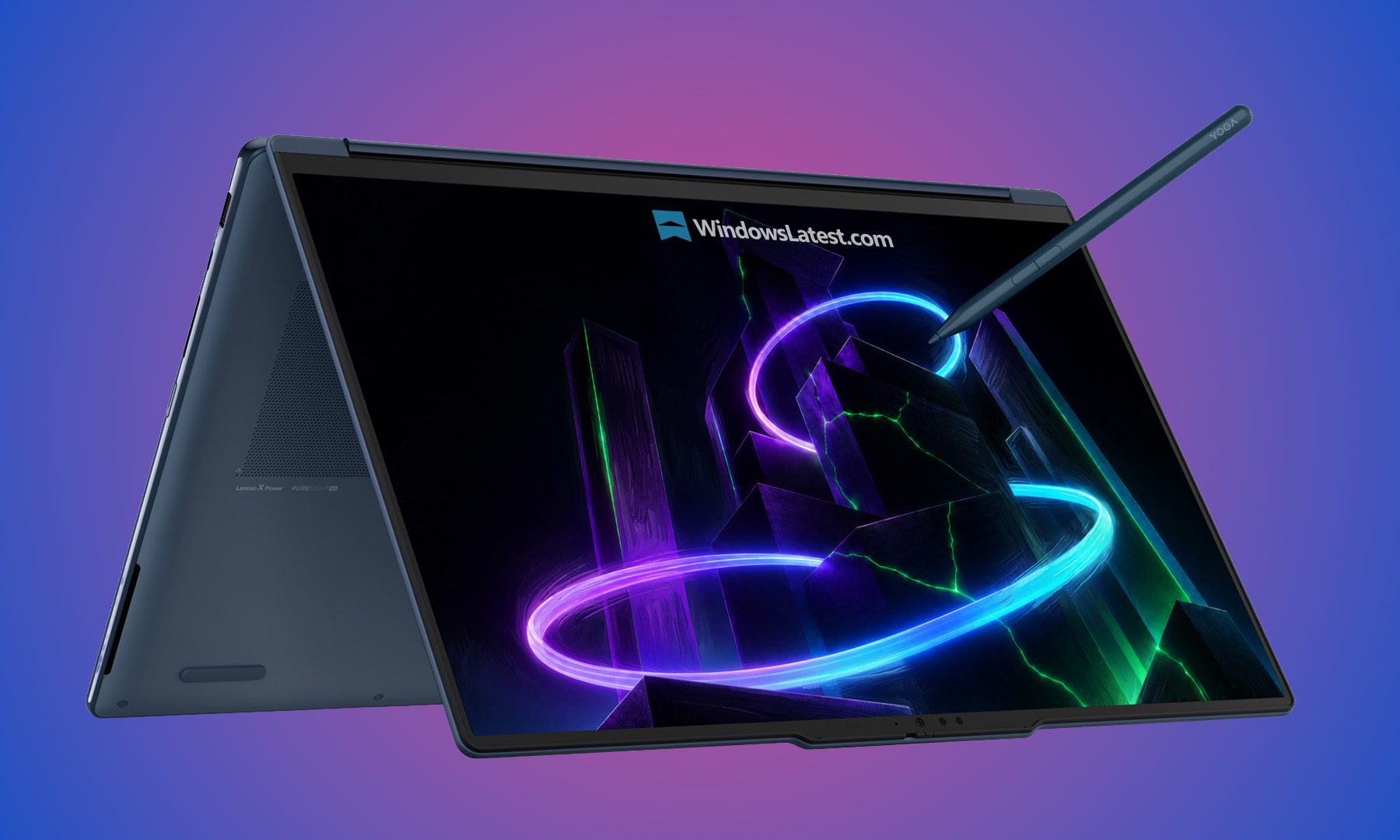
Lenovo Yoga 9n 2-in-1 Featured leak

NVIDIA's RTX Spark platform is about to make its way into an entirely new category of laptops. Freshly leaked images suggest Lenovo is working on the Yoga 9n 2-in-1, which is expected to become the world's first convertible laptop powered by NVIDIA's RTX Spark (N1X) superchip. The leak, published by Windows Latest, shows a premium 360-degree Yoga convertible that closely resembles the existing Yoga 9i, but swaps Intel's processor for NVIDIA's new Arm-based AI platform.

A familiar Yoga design with a new heart

Read more