1. Home
  2. Computing
  3. Features

OpenAI killed the Sora AI video generator and you’re probably guessing the “why” wrong

OpenAI's viral AI video tool didn't fail because of controversy, its real problem was far more practical.

Add as a preferred source on Google
openai-sora-price-free-limit
Nadeem Sarwar / Digital Trends

OpenAI’s AI video generator Sora is officially done, less than a year after it went viral. At first glance, it’s easy to assume the shutdown was about safety concerns or creative backlash. But the real story is far less dramatic.

So why did OpenAI actually shut Sora down?

According to The Wall Street Journal, the biggest reason behind Sora’s untimely death wasn’t controversy. It came down to economics. The tool was incredibly expensive to run, reportedly costing OpenAI around $1 million per day due to massive compute demands. Generating realistic videos is significantly more resource-intensive than text or images, and scaling it for millions of users simply didn’t make financial sense for the company.

We’re saying goodbye to the Sora app. To everyone who created with Sora, shared it, and built community around it: thank you. What you made with Sora mattered, and we know this news is disappointing.

We’ll share more soon, including timelines for the app and API and details on…

— Sora (@soraofficialapp) March 24, 2026

At the same time, user interest reportedly dropped in the months following Sora’s debut, with downloads and engagement declining sharply. This turned OpenAI’s viral sensation into a costly tool with shrinking returns. In other words, it wasn’t just expensive, it was also losing momentum.

Recommended Videos

Despite earlier reports suggesting OpenAI was planning to integrate Sora’s video generation capabilities into ChatGPT, that plan now appears to be off the table.

How Sora’s fall reflects a broader industry shift

Sora’s shutdown isn’t about one product failing. It has more to do with where AI companies are heading next. Like Anthropic, OpenAI is moving away from flashy consumer features and toward productivity tools that promise clearer revenue and long-term impact.

This marks a subtle but important shift. Over the past two years, AI companies have raced to showcase what their models can do. Now, the focus is shifting to what people will actually pay for. That distinction is starting to separate experimental features from sustainable products.

OpenAI’s recent strategy reflects that reality. The company is doubling down on tools like Codex, which can write code and automate software tasks, and Deep Research, which can generate detailed reports in minutes. It’s also expanding integrations with workspace tools, positioning ChatGPT as something closer to a productivity assistant than a simple chatbot that answers your everyday queries.

This doesn’t mean AI video generation is going away altogether. But Sora’s shutdown makes one thing clear: impressive demos aren’t enough. If a product can’t scale sustainably or generate substantial revenue, it won’t last.

Sora, despite its undeniable wow factor, simply didn’t fit that future.

Pranob Mehrotra
Pranob is a seasoned tech journalist with over eight years of experience covering consumer technology. His work has been…
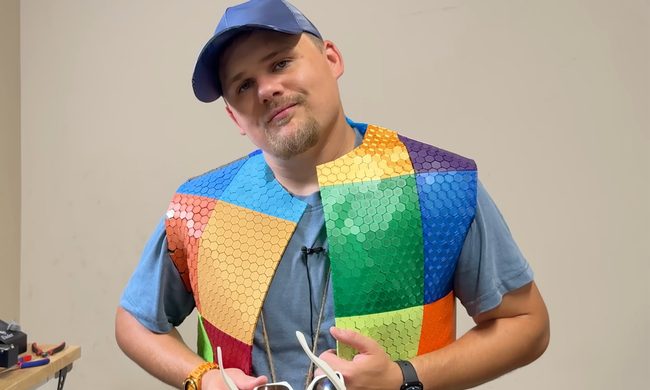
A YouTuber 3D printed an entire outfit, but the comfort and cost are more complicated than you’d think
The 3D-printed outfit is real. Whether it's practical is a different conversation entirely.
Adult, Male, Man

YouTuber Matthew Trahan has made a career out of 3D printing increasingly unusual things. He has printed musical instruments, bedroom furniture, and, in one particularly memorable video, himself.

His latest project is a full outfit, from shirt to shoes, belt to glasses, because apparently nobody told him 3D printers are for creating engineering prototypes or structures that aren’t otherwise feasible, not for fashion week.

Read more
The memory crisis isn’t going to ease, and you will pay the price for it, says a research firm
Forty to 50% higher this quarter, 30 to 40% more next quarter, and no real relief until 2028. Plan accordingly.
RAM memory chips

If you were hoping the memory crisis was about to ease up, I have some bad news for you. It comes directly from Wall Street.

Your next smartphone, laptop, or tablet could cost even more, regardless of whether it has recently been subject to a price hike.

Read more
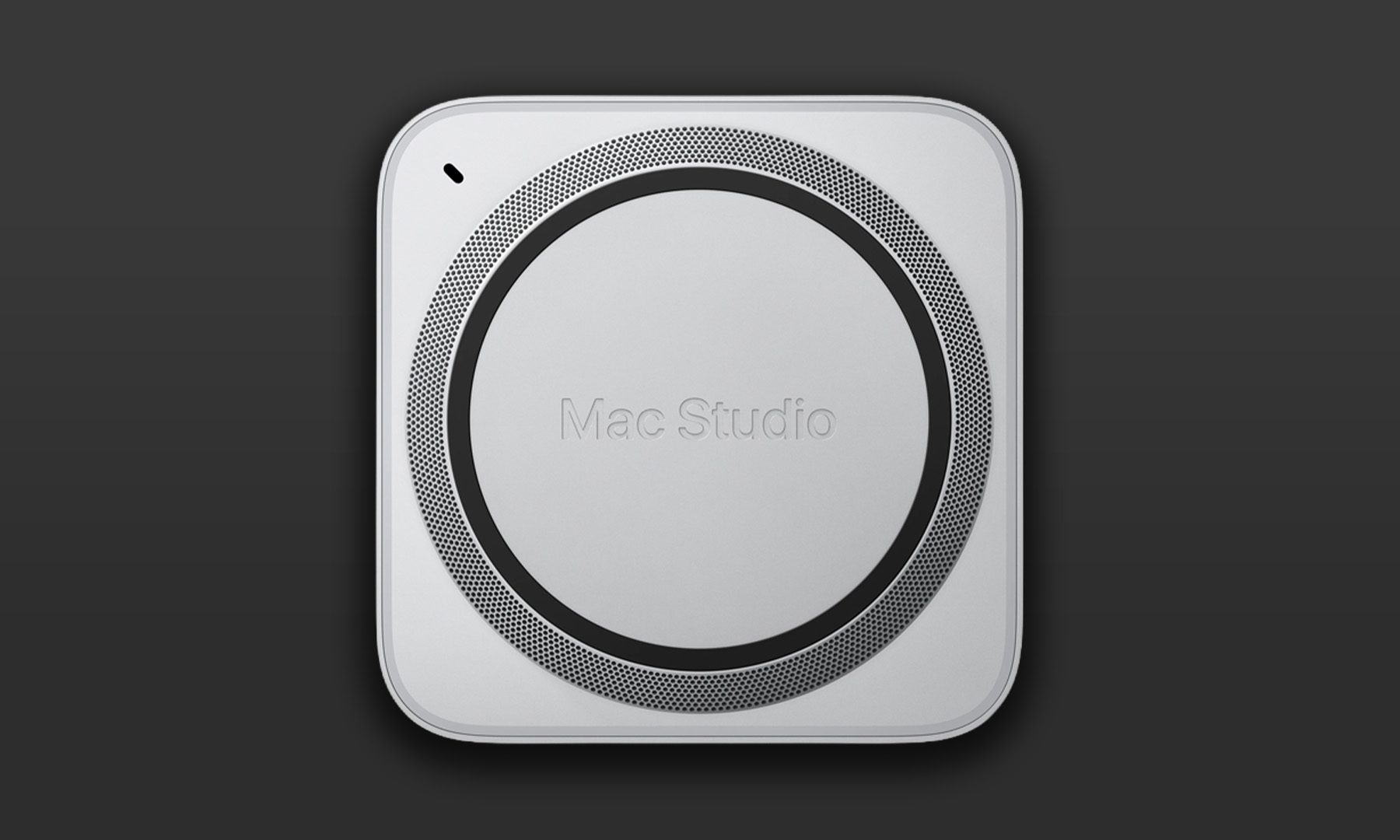
Apple’s next Mac Studio could get a new M5 Ultra chip and a cooler upgrade
The desktop workstation is tipped to receive an M5 Ultra this year, an M7 Ultra later, and a redesigned heat sink.
Apple Mac Studio Featured

Apple's Mac Studio may not be getting a fresh new look anytime soon, but it could be getting a meaningful upgrade where it matters most. According to Mark Gurman in the latest edition of his Power On newsletter, Apple is preparing an M5 Ultra-powered Mac Studio as early as this year, while an even more powerful M7 Ultra version is already on the company's roadmap for 2028. Interestingly, the report also claims Apple is redesigning one component most users will never see: the heat sink.

More power is coming, and Apple wants to keep it cool

Read more