1. Home
  2. Phones
  3. News

Google is adopting a new framework to stop shady Android apps from raising hell

Android’s next security trick is a public record for official apps

Add as a preferred source on Google
iPhone screen showing a folder with all of the Google apps.
Chesnot/Getty Images

Android security is getting another layer of accountability, and it’s aimed squarely at a problem that digital signatures can’t solve. Google has announced that it is expanding Binary Transparency across the Android ecosystem. Starting with the production of Google apps for Android and Mainline modules, the company will log official releases on a public append-only ledger, which should make it easier to verify whether the software running on a device is the exact version Google intended to release.

Why digital signatures no longer cut it

Big step for Android security

Google has announced the expansion of Binary Transparency for Android apps, creating a public cryptographic ledger that lets anyone verify whether Google-signed apps are genuine. Ensures Android users can trust the software running on their devices. pic.twitter.com/Z6FiYsV4u4

— One UI by Samsung (@oneuibysamsung) May 5, 2026

For years, digital signatures have been the main way to confirm that an app is genuine. If an app carries the right signature, the system can trust that it came from the expected developer. But Google says that it has its limits. If a signing key is stolen, an insider pushes a modified build, or an internal development version leaks, the signature may still look valid. The bigger question becomes whether that specific app was ever meant to be released publicly.

Recommended Videos

So this is basically where Binary Transparency comes in. Google calls digital signatures a “certificate of origin,” while Binary Transparency acts more like a “certificate of intent.” In simpler terms, a signed Google app is not enough. It also needs to appear in the public ledger to prove Google meant to ship it.

Android software gets a public record

Under the new system, Google’s production Android apps released after May 1, 2026, will have a matching cryptographic entry in the transparency log. This will include Google apps such as Play Services, along with Mainline modules that are updateable parts of Android running with elevated privileges. Meaning, if a Google-signed app released after that date is not on the ledger, the company did not intend to release it.

Why this matters for Android users

This won’t magically stop every malicious app or shady APK, and the benefits are mostly invisible for regular users. But for security researchers, device makers, and the wider Android ecosystem, it creates a way to verify official Google software instead of simply relying on trust.

Vikhyaat Vivek
Vikhyaat Vivek is a tech journalist and reviewer with seven years of experience covering consumer hardware, with a focus on…
Here’s a cool new app for people who treat every photo dump like a magazine spread
Mocha Frame is a tiny app makes every photo to look curated
Mocha Frame is a new iOS app

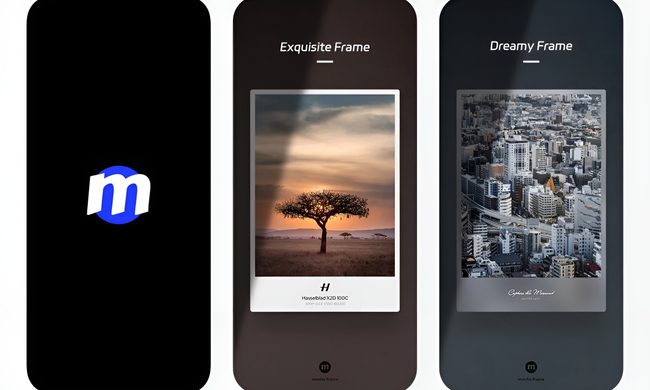
You're probably not a stranger to filters for your social media uploads. While some apps just fix up your shots with minor touch-ups, others want to change the entire look and feel. Mocha Frame takes things a little further. It doesn't just clean up your shots; it lets you frame them up or sign them before sharing them.

Mocha Frame, highlighted in a Reddit post by its developer, is an iPhone app built around presentation rather than heavy edits. The developer describes it as a tool for giving photos a cleaner, more elegant look before sharing, with minimal frames, Polaroid-style frames, creative collage layouts, and themed frames for different moods and festivals.

Read more
I tried turning the Red Magic 11S Pro into a handheld console, and it worked almost too well
Pushing Red Magic's liquid cooled gaming phone past the normal smartphone limit
Red Magic 11S Pro Review

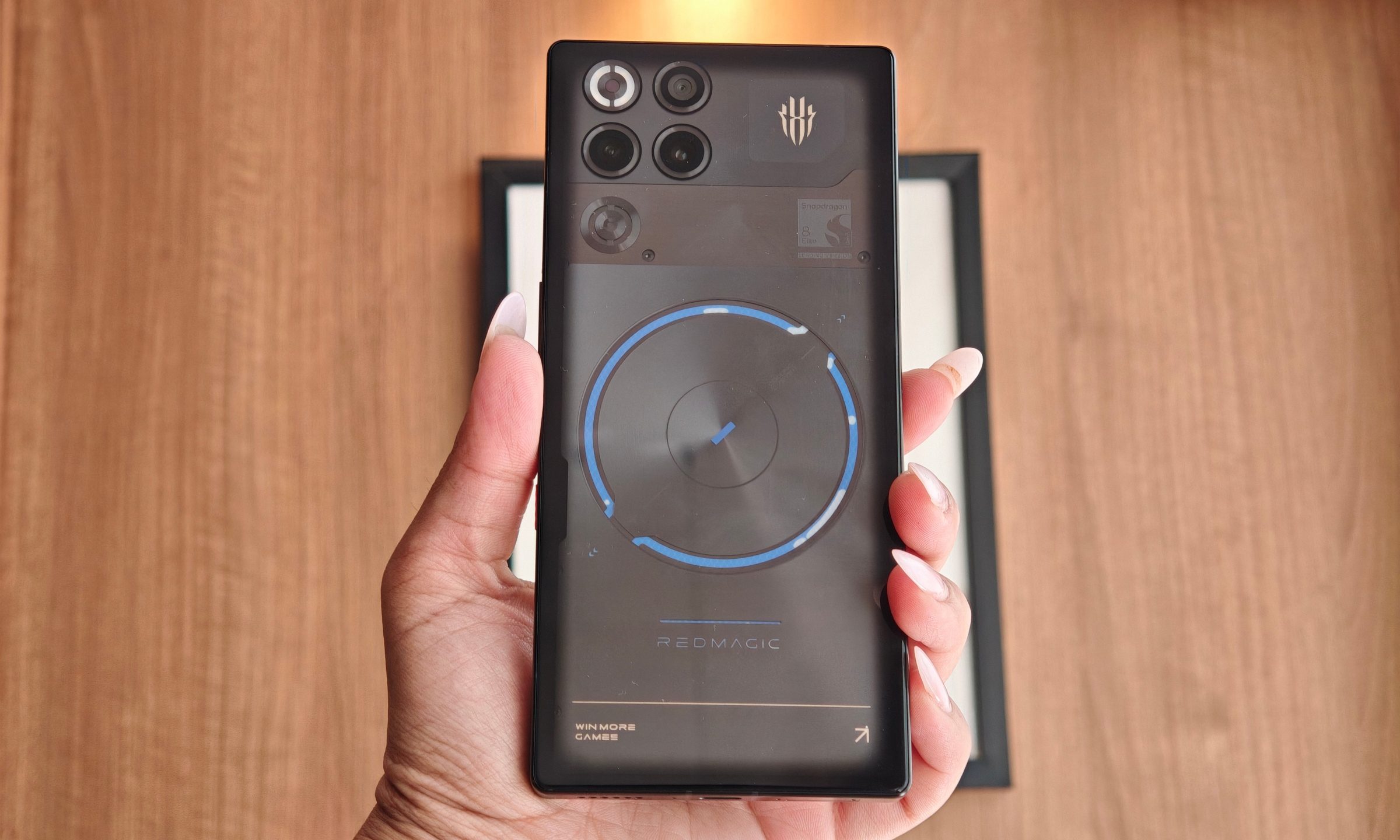
One look at the Red Magic 11S Pro, and you can tell it's not trying to be subtle. This isn’t chasing the overly polished look and feel of a modern flagship smartphone. It isn’t trying to convince you it’s a great camera phone, either. This thing looks like it escaped from the desk of someone who still thinks transparent electronics are the peak of industrial design.

Many phones call themselves gaming phones, then spend half their time trying to look normal. The Red Magic 11S Pro has no such insecurity. The transparent back looks absolutely bonkers, with visible liquid cooling, RGB lighting, a flat glass-and-metal body, and a design that lives or dies by the fact that you either love gaming hardware or you don’t. The Nightfreeze unit I tested looked sleek.

Read more
The memory crisis isn’t going to ease, and you will pay the price for it, says a research firm
Forty to 50% higher this quarter, 30 to 40% more next quarter, and no real relief until 2028. Plan accordingly.
RAM memory chips

If you were hoping the memory crisis was about to ease up, I have some bad news for you. It comes directly from Wall Street.

Your next smartphone, laptop, or tablet could cost even more, regardless of whether it has recently been subject to a price hike.

Read more