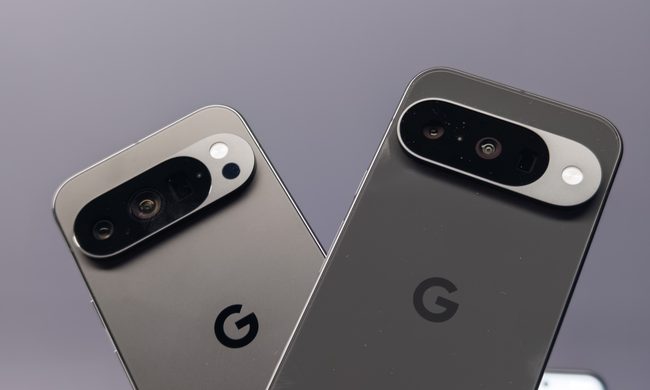
One of my cats recently caught some kind of bug, which meant a vet visit, blood tests, and about $135 poorer. After all that, it turned out to be a normal fever. Good news for the cat. Slightly humiliating news for the me who spent the next few hours wondering whether a gadget could’ve helped me panic more efficiently.
That’s the problem with pet tech. It sounds ridiculous until life gives you one weird symptom, one missed meal, or one unusually quiet afternoon. There are feeders that portion meals from an app, collars that track escape artists, cameras that let owners spy on naps, and water fountains that monitor drinking habits because apparently even the bowl needed analytics.
At CES 2026, a PETKIT fountain was showcased as having a camera and AI tracking for individual drinking behavior, which is exactly the kind of detail that makes the category sound fake and unavoidable at the same time.
My first instinct is to hate all of this. Then I remember I have cats, which means I’m not observing this market from a safe intellectual distance. I’m standing directly in the trap.

The business of reassurance
That’s the irritating genius of these gadgets. They look indulgent, sometimes almost absurdly so, but targeting something more vulnerable. It promises that workdays can feel less guilty, routines can feel less fragile, and emergencies can feel a little less unknowable.
None of that is silly on its face. The silly part is how quickly care becomes a habit of checking. A pet camera starts as a comfort device. Two weeks later, you’re reviewing footage of a cat walking past the couch like it might contain clues.
Peace of mind, now billed monthly
The subscription part is where my affection starts to curdle. Buying a device is one thing. Paying every month for the privilege of feeling slightly less worried about the animal already freeloading in my house is another. Fi’s Mini GPS tracker, for example, works over LTE-M, tracks activity and sleep, and supports an annual subscription plan priced at $129.
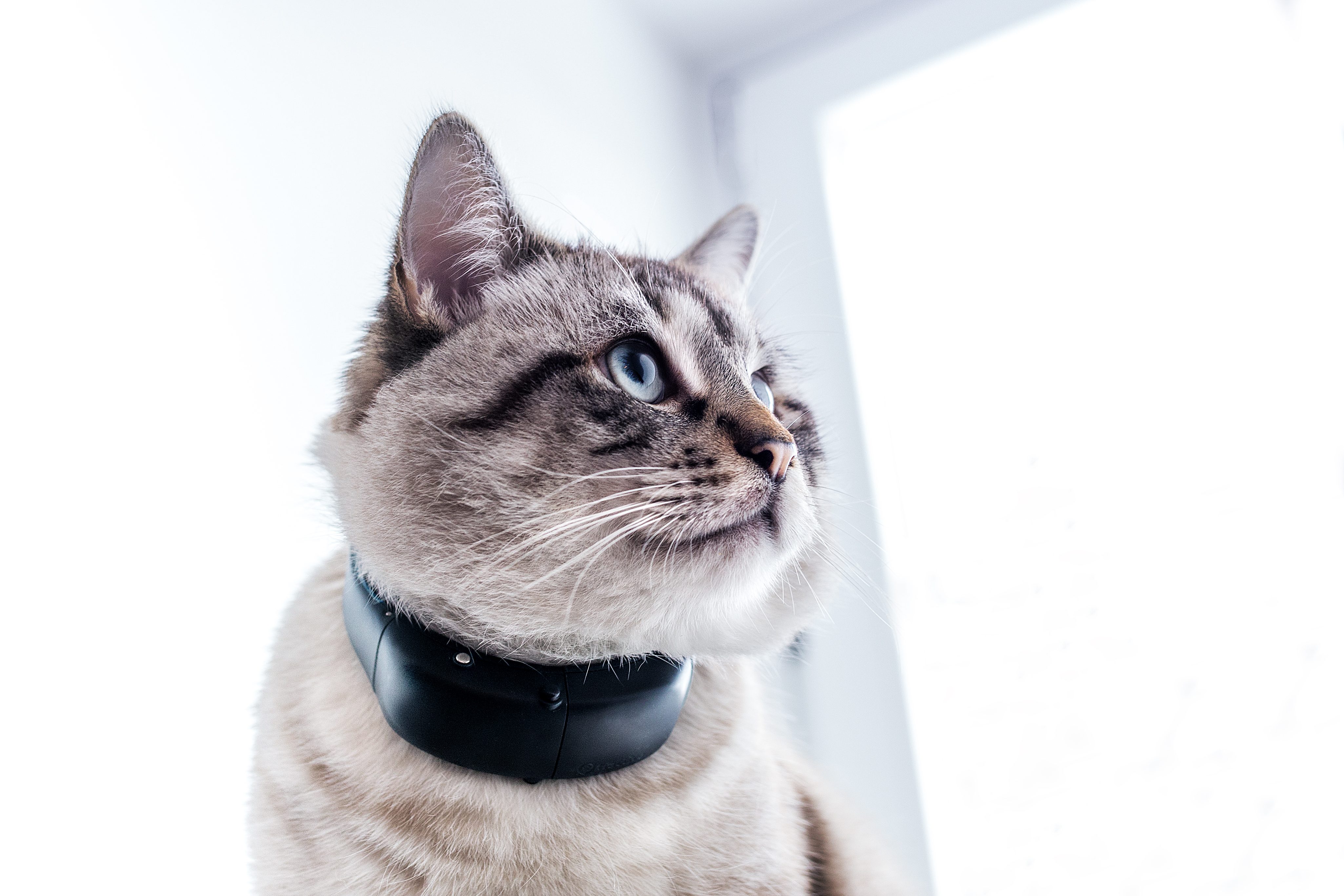
And yet, this is where the clean takedown falls apart. Cats are beautiful little weirdos with a gift for hiding problems until the problem has become expensive. One weird drinking week, one missed meal, one oddly quiet afternoon, and suddenly the stupid gadget starts making an annoying amount of sense. I can mock the camera all I want, but I know the exact version of myself that would open the app just to confirm they’re alive, dramatic, and probably judging me.
The useful stuff is hard to mock
The line gets blurry fast. A gadget pretending to replace attention, instinct, or a vet deserves side-eye. A gadget that helps with the boring parts of care is harder to sneer at. Consistent feeding and early warning signs are practical things, even when the packaging makes them look like a startup discovered pets last Tuesday.
I don’t want my cats turned into another dashboard. I also don’t love the idea of affection being translated into push notifications and one more monthly fee nibbling at my account. But if a gadget helps me spot a problem early, I know exactly what’ll happen. I’ll charge it, name it, complain about it, and check the app like a hypocrite.