1. Home
  2. Social Media
  3. Legacy Archives

Twitter looks to boost video content – and ad revenue – with SnappyTV acquisition

Add as a preferred source on Google

Twitter announced Thursday it’s acquired SnappyTV, a cloud-based video platform that allows for the easy editing and sharing of clips from live TV broadcasts.

The social media company said San Francisco-based SnappyTV already works with a number of media outlets to bring video content to its site, with some of it coming via Twitter’s Amplify ad program, which launched last year. Broadcasters and event producers currently using SnappyTV’s service include, for example, ABC News, Fox Sports and the US Open.

Recommended Videos

The deal is expected to help Twitter strengthen these existing partnerships and build new ones as it invests in and develops SnappyTV’s product.

Commenting on the acquisition on the company’s blog, Twitter’s Baljeet Singh promised it would “help partners and brands bring the best videos into the conversation, when it matters most.”

“Together, we’ve worked with the biggest content partners in the world to inject the best video content into Twitter’s real-time conversation, straight from the TV to your mobile device,” Singh wrote. “Twitter users have watched goals, slam-dunks, amazing shots, and touchdowns – as well as red-carpet moments, award show performances, news clips and funny moments – right from a Tweet in their timeline.”

He added, “Our goal is to help publishers quickly share great moments from events so people can experience those moments as they happen.”

Twitter beat Wall Street forecasts when in April it reported revenue of $250 million for Q1. Even better, the leap from $114 million a year earlier marked a 119 percent increase year-on-year. However, with pressure mounting in the wake of disappointing data on user-base growth, the company is continuing to look at ways of further developing relationships with brands and organizations, with its purchase of SnappyTV designed to boost user engagement with the social media site and ultimately bring in more TV-related ad revenue.

Trevor Mogg
Contributing Editor
Not so many moons ago, Trevor moved from one tea-loving island nation that drives on the left (Britain) to another (Japan)…
Topics
Snapchat Planets Meaning: Order, Rankings, and How Friend Solar System Works
Snapchat Planets turns your best friends list into a solar system, and yes, your orbit says a lot
Snapchat Planets being shown on the Snapchat app on iPhone.

Snapchat+ includes several exclusive features, but few have generated as much curiosity as Snapchat Planets. Part of the app's Friend Solar System, it transforms your Best Friends list into a planetary ranking, assigning each of your top eight friends a planet based on how often you interact.

From Mercury, which represents your closest friend, to Neptune, which represents your eighth closest, the system offers a quick visual snapshot of your interactions. But what do the different planets actually mean, and how does Snapchat decide who gets which one?

Read more
Instagram lands on Samsung TVs, with episodic series and live TV coming to your screen soon
Instagram for TV adds new features for group watching.
instagram-samsung-tv

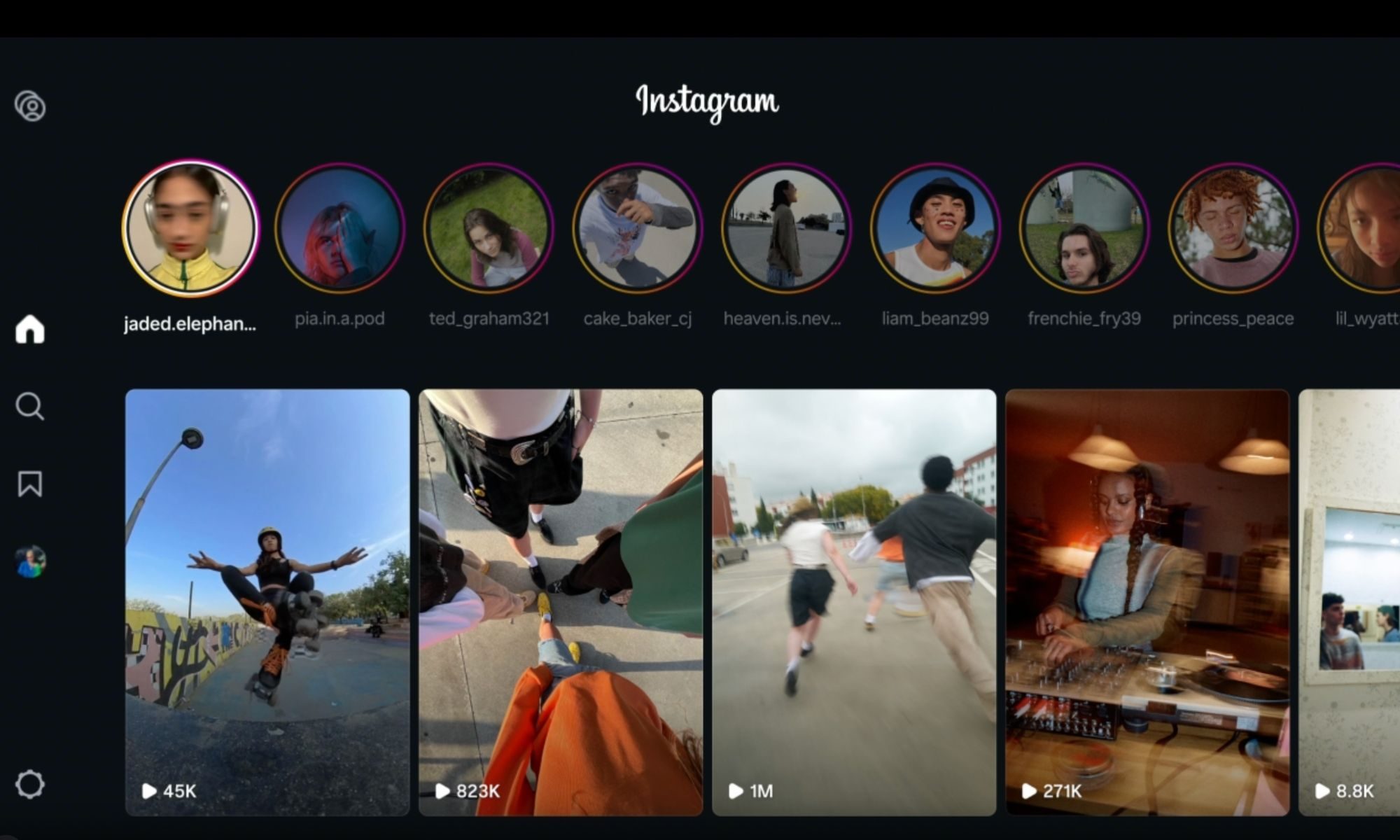
Meta just expanded Instagram for TV to Samsung Smart TVs across the US, rolling out a bunch of new features built for group viewing. With Samsung now on board, Instagram for TV has officially landed on the three biggest connected TV platforms in the country.

https://twitter.com/metanewsroom/status/2069062429821026732?s=46

Read more
TikTok’s AI slop problem is worse than you think — and kids are seeing the most of it
TikTok

TikTok has spent years perfecting the art of knowing exactly what you want to watch next. Open the app, scroll a few times, and suddenly it’s serving videos that feel uncannily tailored to your interests. But what happens before TikTok learns who you are? According to new research from video editing platform Kapwing, the answer is increasingly AI slop.

The study found that nearly 60% of the videos shown to a brand-new TikTok account were low-quality AI-generated content. That’s not a niche problem buried in obscure corners of the platform. It’s the first impression TikTok is making on new users before the algorithm even begins personalizing their feed. And if that sounds concerning, the findings around children’s content are even harder to ignore.

Read more