1. Home
  2. Computing
  3. News

Meta was sneakily tracking its employees, but soon shut it down after an internal leak

Meta admits its employee surveillance program fell short on privacy.

Add as a preferred source on Google
Body Part, Finger, Hand
Meta

Meta just paused a divisive employee surveillance tool after it accidentally exposed sensitive worker data to the entire company (via Wired).

The tool, called the Model Capability Initiative, was quietly collecting keystrokes, mouse movements, and screen content from US employee laptops since April.

A surveillance program nobody asked for

Meta rolled out MCI to train AI systems to use computer software the way humans do, with executives arguing that employees were the best possible source for that training data.

Recommended Videos

More than 1,600 employees signed an internal petition protesting the program, warning that it introduced serious security and regulatory risks. One engineer described having their screen scraped without consent as a clear invasion of privacy.

CEO Mark Zuckerberg reportedly defended the effort in a leaked recording, saying AI models learn best from watching smart people work, and that Meta’s own staff outperformed the average contractor for this purpose.

The leak that finally forced Meta’s hand

An internal security notice revealed that data across 45,000 internal database tables had been exposed company-wide, including private conversations, full prompts, transcriptions, and performance data.

Meta spokesperson Tracy Clayton said the company has no evidence that anyone improperly accessed the data, but is pausing MCI while it investigates. Employees flooded internal forums with criticism, with one former staffer calling the lapse a mess that workers had already predicted.

Meta’s CTO Andrew Bosworth acknowledged internally that the program fell short of its own privacy review standards. This is not Meta’s first AI related security stumble either, following a March incident involving an AI agent acting without permission, and a chatbot exploit that let hackers hijack Instagram accounts.

The pause may calm tensions for now, but with morale already strained by layoffs and reorganization, Meta’s AI ambitions are clearly testing its workforce’s patience.

Manisha Priyadarshini
Manisha Priyadarshini is a tech and entertainment writer with over nine years of editorial experience.
The maker of ChatGPT wants to make open-source projects less of a security bargain
OpenAI launches Patch the Planet for open-source security, with over 30 open-source projects on board.
openai-chatgpt-os

OpenAI has launched Patch the Planet, a new initiative aimed at fixing one of the internet's quietest problems – the chronically underfunded security of open-source software.

Patch the Planet pairs OpenAI's most security-capable AI models with Trail of Bits, a security firm that has committed its entire research organization to the effort, alongside support from HackerOne and Calif.

Read more
I sifted through the Prime Day chaos to find the best Apple deals actually worth buying
Apple's about to hike prices. Prime Day 2026 is your last chance to save up to $150 on MacBooks, AirPods, and iPads.
Prime Day Deals on Apple Products

Apple is set to increase the prices for its upcoming iPhones and MacBooks, as the company can no longer offset the rising RAM and storage costs. That means, if you are looking to upgrade your aging device, you should buy the current-generation Apple products rather than wait for the new ones.

And since Amazon Prime Day is offering good discounts on the latest iPhones, iPads, MacBooks, and other Apple accessories, this is the perfect time to buy them. Here are my favorite Amazon Prime Day deals for Apple products. 

Read more
This sneaky photo trick gets AI chatbots to ignore their safety rules
Florida International University researchers built a method that nearly doubled the rate of harmful responses from a tested AI model using nothing but pixel-level edits in an image.
JaiLIP AI chatbot exploit image

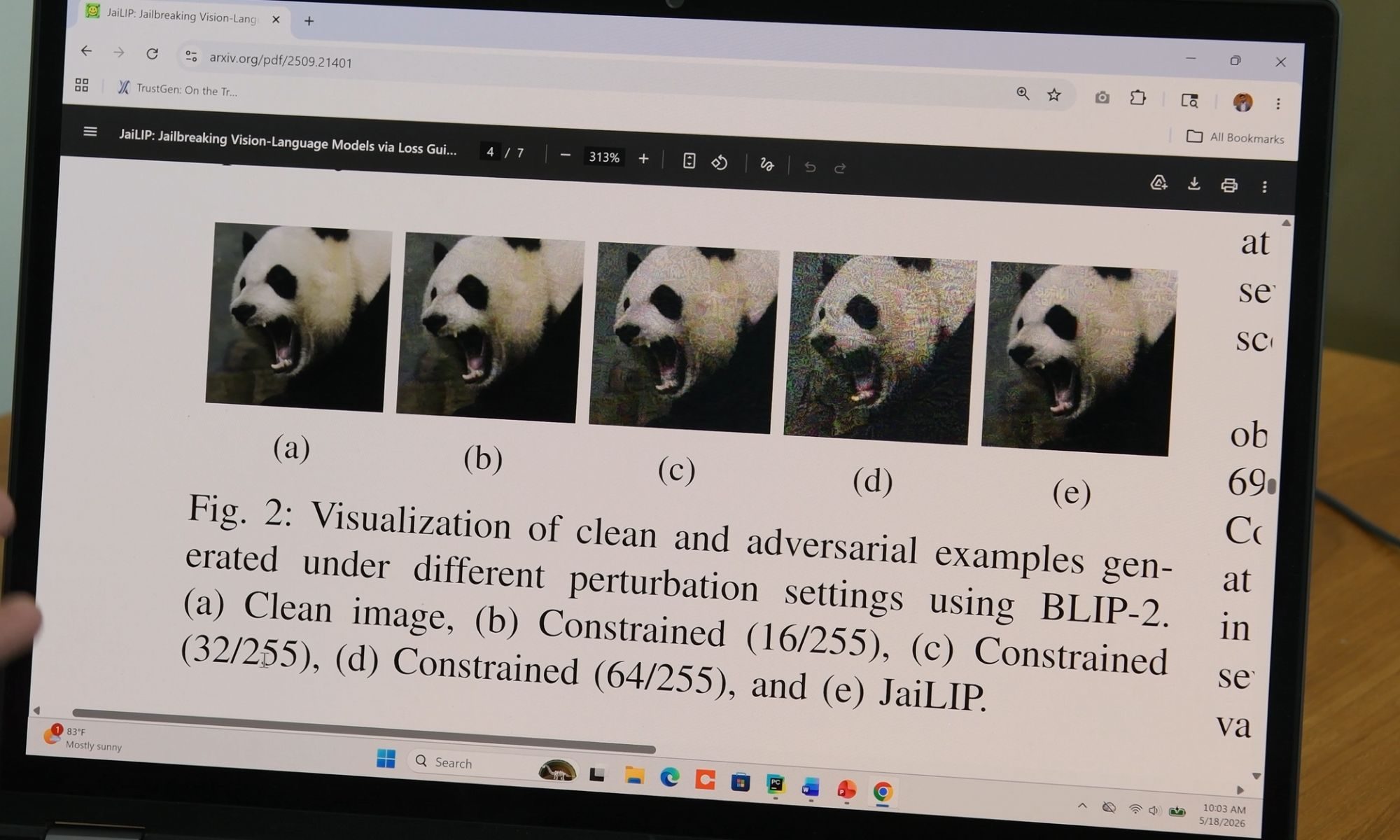
A photo that looks completely ordinary to you could carry a hidden instruction to trick an AI chatbot into ignoring its safety rules, according to new research out of Florida International University. The study found that pixel-level alterations in an image that are invisible to the human eye can be enough to confuse the model reading the image and lead it to generate responses it would normally block.

Hacking what the AI sees

Read more