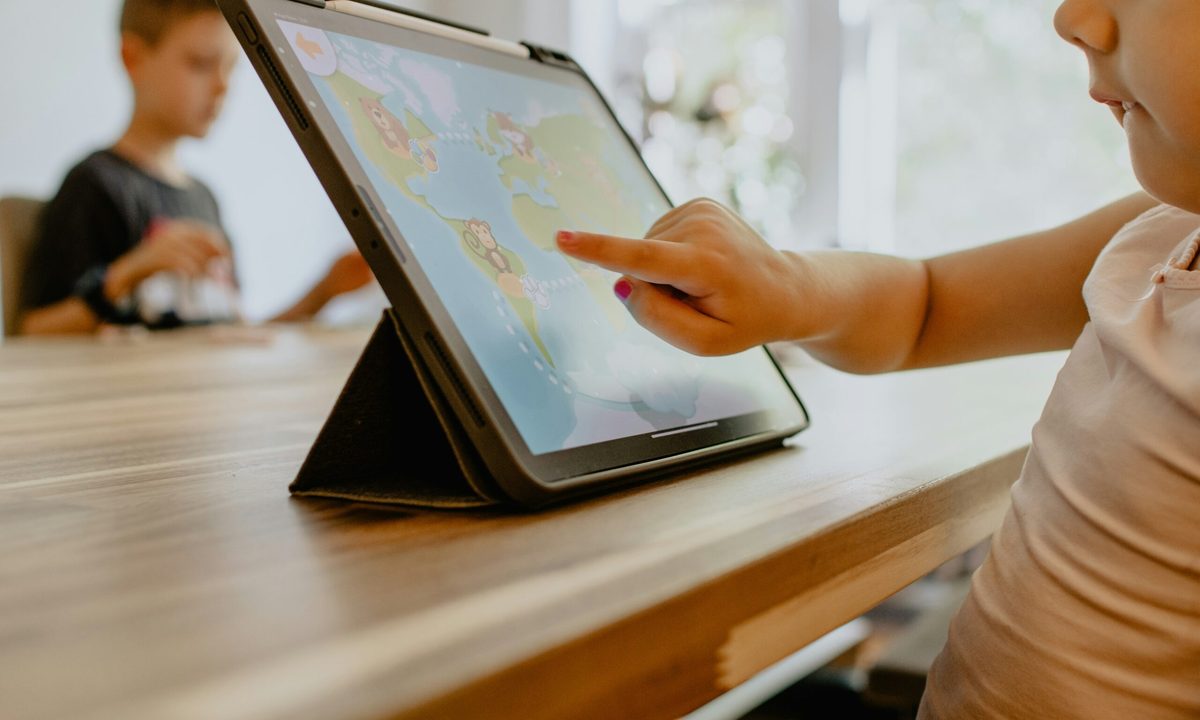
Screens have become the digital pacifier for many babies. Phones and tablets are used during feeding, bedtime, chores, and moments when parents need a break. A major new study now warns that regular screen use before age two may carry developmental risks.
Researchers from four UK universities say babies and toddlers under two should avoid regular intentional screen time. The review links higher screen exposure in the first two years with sleep problems, language delays, behavioural difficulties, obesity risk, short-sightedness, and later problems with friendships and social interactions.
The risks start early
The study, commissioned by the 1001 Critical Days Foundation and conducted by the iADDICT research group, reviewed global research on screen use during the first 1,001 days, from pregnancy to age two. It also surveyed parents and carers of children under two. Screen use was reported in more than 70% of babies and under-twos. One in ten babies regularly fell asleep with a screen, while some children were exposed to screens for several hours a day.
The review does not prove that screens directly cause every developmental issue it identifies. Still, the warning is clear. Babies need language exposure, physical play, sleep, eye contact, caregiver attention, and normal social interaction. Regular screen use can push those experiences aside, especially when devices are used as a routine soothing tool.
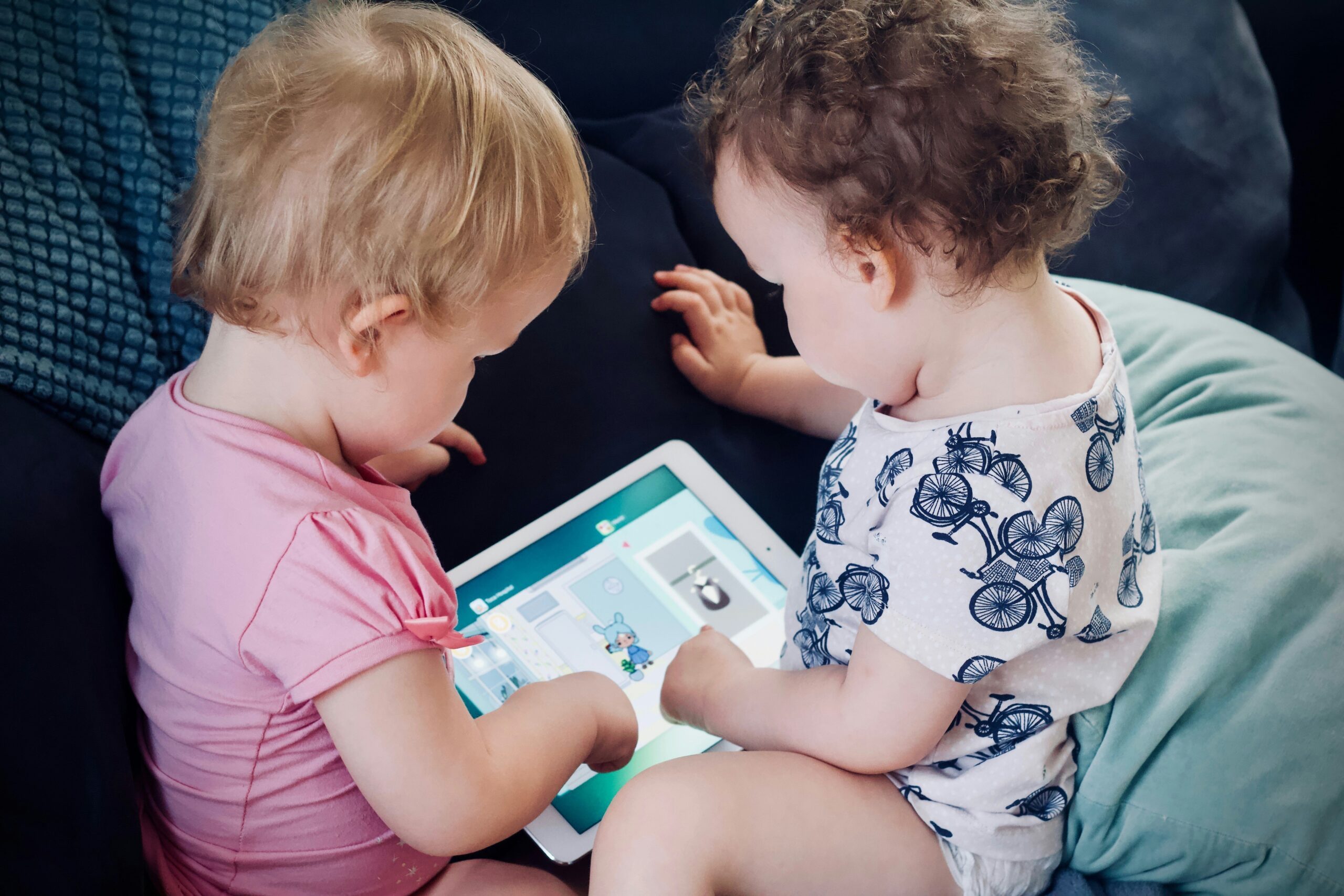
The iPad kid problem starts somewhere
The warning also lands at a time when parents, teachers, and health experts are already worried about children becoming too dependent on screens. The “iPad kid” label has become shorthand for children who struggle to detach from devices, expect constant digital stimulation, or use screens as their default source of comfort.
The review suggests those habits may begin earlier than many families realize. The concern is not only what babies are watching, but how quickly screens become part of daily care. If a child is introduced to phones and tablets as a regular soothing tool before age two, later dependence on those devices should not come as a surprise.