  1. Home
  2. Computing
  3. News

A new technology teaching drones to feel pain could stop your self-driving car from harming itself

Drones first, autonomous cars next. A pain-sensing system that detects failure before it happens has real stakes for self-driving vehicles.

Add as a preferred source on Google
Transportation, Vehicle, Car
BYD

When you sprain your ankle in the middle of a run, your body sends a pain signal to your brain, forcing you to stop. Essentially, the ability to sense pain stops you from pushing through the injury and causing further self-harm.

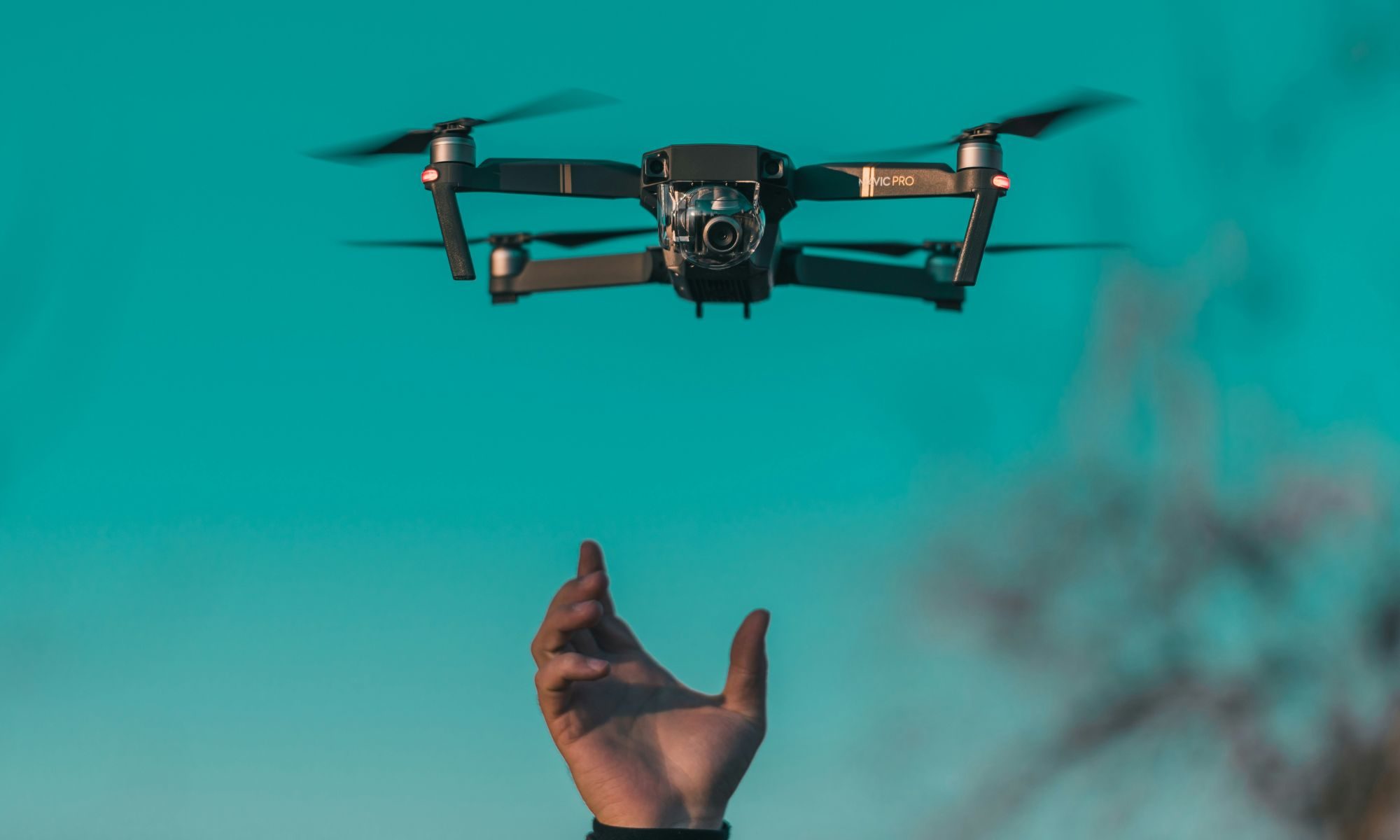
Researchers at Delft University of Technology and Wageningen University have applied this exact concept to drones, giving them a digital equivalent of a nervous system that recognizes a faulty part and triggers a pain-like warning signal. What’s even more interesting is that the technology could find use in self-driving cars.
So how does the “pain” system actually work?

The team developed early warning indicators, something they call “critical slowing down” signals, borrowed from a concept originally used to predict ecosystem collapse in ecology. Their study is published in the Proceedings of the National Academy of Sciences (via TechXplore).

Recommended Videos

Any complex system, biological or engineered, begins to show subtle changes in its sensor data before it actually fails. This particular system also detects those changes, using only real-time data, without needing predictive models or historical baselines. 

They tested it on quadrotors at the CyberZoo drone research facility by incrementally damaging rotor blades from healthy up to 55% tip damage. In their testing, loss of control occurred at 15% blade-tip damage on the front-right rotor, and the system successfully flagged the instability as it gradually built up. 

“You can compare our approach to the way humans experience pain,” said lead researcher Jasper van Beers. “After an injury, pain provides immediate feedback about our condition and helps us judge what actions remain safe. Machines generally lack this form of self-awareness.” 

How could this help your car?

The same concept translates to autonomous vehicles and advanced driver-assistance systems, especially the ones deployed commercially as robotaxis.

A self-driving car dealing with a degrading sensor, a failing actuator, or unfavorable road conditions pushing it toward its handling limits faces the exact same problem. It has no way to feel a warning before it loses control.

Since the system works on real-time data alone, it doesn’t require any retrofits or new hardware: it processes what’s already there. The researchers explicitly mention self-driving cars as a target application, which sounds quite appealing to me. 

Shikhar Mehrotra
For more than five years, Shikhar has consistently simplified developments in the field of consumer tech and presented them…
macOS clipboard app Maccy has a fake out there stealing passwords
PamStealer malware is disguising itself as Maccy to target Mac users
Depicting of the Maccy clipboard app for macOS on a laptop with letters inb the background.

A fake version of Maccy, a popular clipboard manager for macOS, is being used to deliver a newly discovered Mac malware strain called PamStealer. Researchers at Jamf say the malware impersonates the real open-source app, but its actual purpose is to steal data and capture a victim’s login password.

PamStealer arrives as a disk image containing an AppleScript file that impersonates Maccy. Once the user opens that file, macOS launches it in Script Editor, where the on-screen instructions tell them to press Command-R. To someone expecting a normal app installer, that may look like an odd setup step. In reality, that action runs hidden malware code and starts the attack.

Read more
Claude Fable 5 is leaving subscriptions, but maybe not for good
High demand is pushing Claude Fable 5 out of subscriptions for now
Claude Fable 5 and Claude Mythos 5 Official Render

Anthropic’s most advanced publicly available Claude model is still leaving standard subscription access after July 7, but the company is now trying to calm fears that the move is permanent.

Fable 5 recently returned to Claude after drawing scrutiny from the U.S. government. Anthropic said it would be included on Pro, Max, Team, and select Enterprise plans for up to 50% of weekly usage limits through July 7. After that date, the model is set to move to usage-credit billing, meaning users will pay for access outside their regular plan limits.

Read more
Yet another research breaks the hype bubble for AI browsers serving serious security flaws
Four popular AI browsers can be exploited to steal your data from other open tabs.
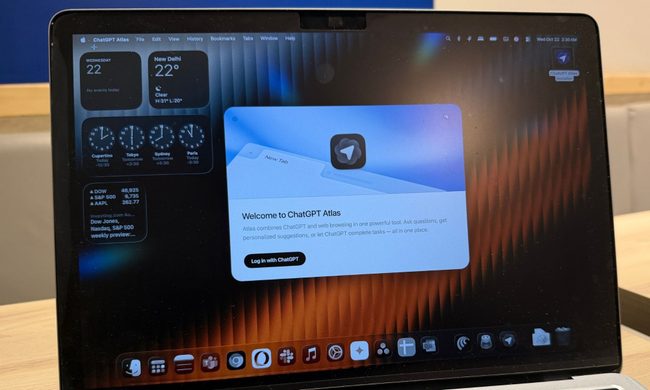
ChatGPT Atlas browser on a MacBook.

AI browsers are being sold as the next big thing. They can summarize pages, book trips, and even make purchases for you. But a new study from the University of Washington found that four of the seven most popular ones come with a security risk serious enough to let malicious websites steal data from other sites you have open. The more capable the browser, the bigger the risk turns out to be.

The 30-year security rule that AI browsers are breaking

Read more