  1. Home
  2. Space
  3. Wearables
  4. News

You can now walk through space and gaze into a black hole at this VR exhibit

Smithsonian Starstruck lets you drift past dying stars and see the origin point of the universe for as little as $18 a person.

Add as a preferred source on Google
Smithsonian Starstruck featured
Smithsonian

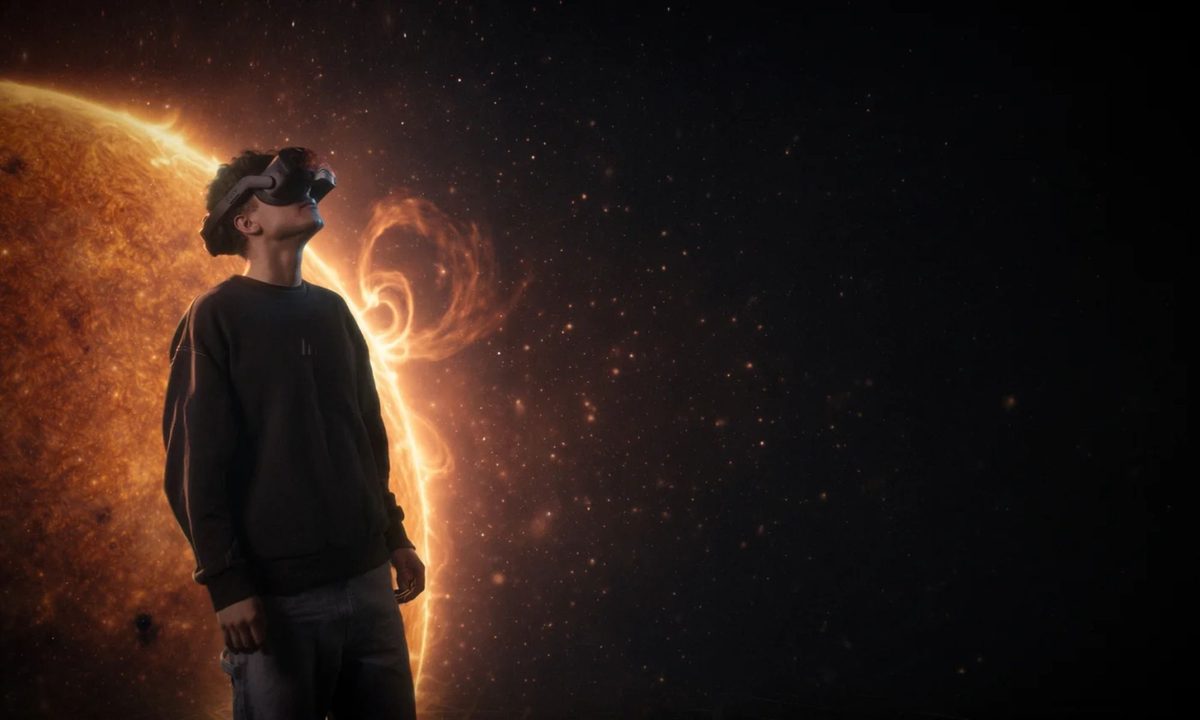
Most planetarium shows ask you to sit still and look up. The Smithsonian’s new VR exhibit takes a different approach, letting visitors walk through the vast expanse of the universe, drifting past stars, planets, and a black hole to get a physical sense of its true scale.

A $29 ticket to the edge of the galaxy

Smithsonian Starstruck: An Immersive Experience is a 40-minute virtual reality tour that opened in Washington, D.C. in May, according to Ars Technica. Tickets run from $29 to $35 for solo visitors, with group rates as low as $18 a head, all discounted 15% right now. The exhibit is set to expand to Denver, Orlando, and San Antonio later this year.
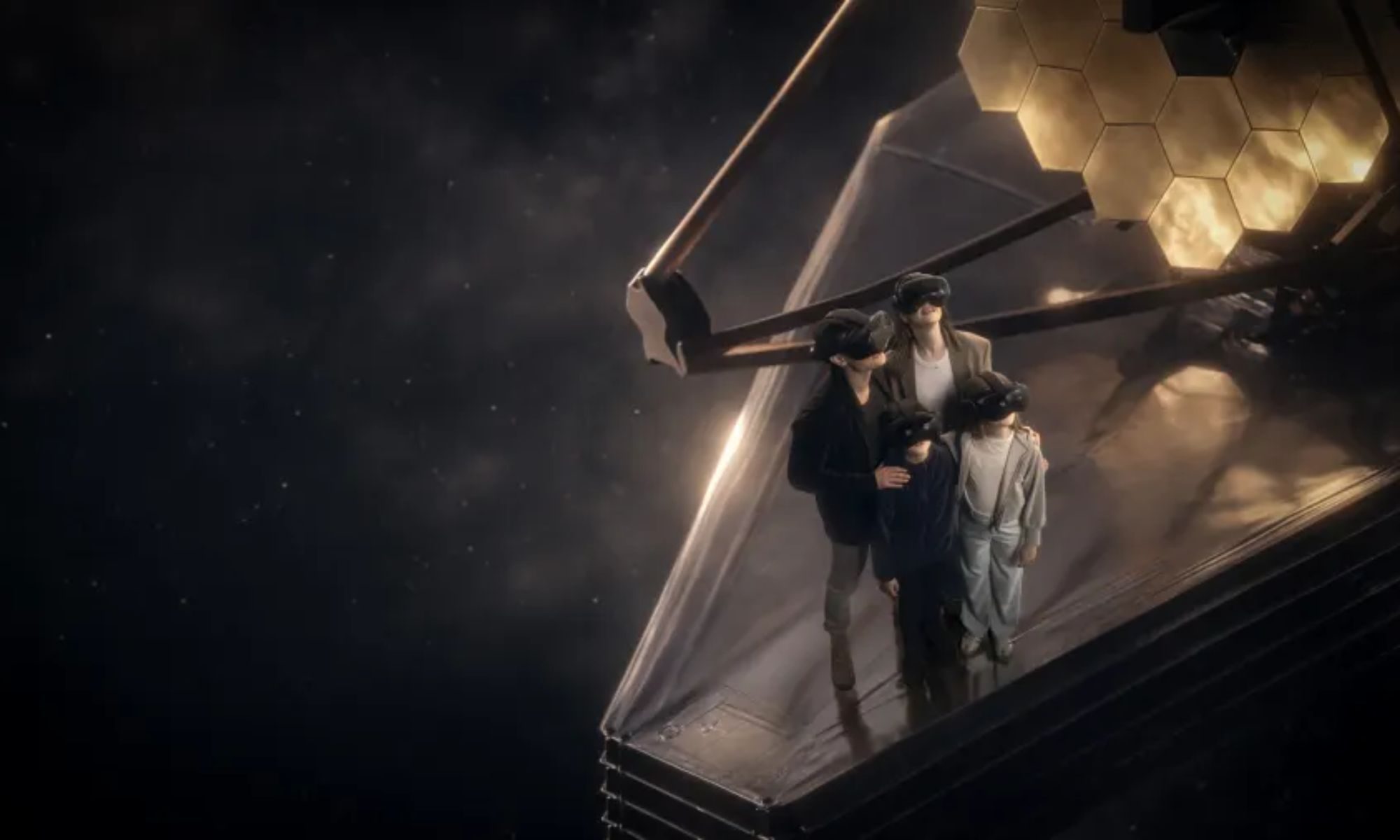
Visitors strap into an HTC Vive Focus 3 VR headset and walk through a tour guided by narrator James Seawood. Highlights include a beam-of-light demonstration near the black hole at the center of the Milky Way, a simulation of the dying star Betelgeuse going supernova, and a close pass by the Sun alongside NASA’s Parker Solar Probe. The route also stops at the exoplanet 55 Cancri Ae and the origin point of the universe itself, before ending at the future site of the Giant Magellan Telescope in Chile, rendered as if construction were already finished.

Temper your visual expectations

VR exhibits like this one live and die by their hardware, and Starstruck’s DC location is currently running on the Vive Focus 3, a headset HTC released in 2021. Sharpness and clarity take a hit as a result, Ars Technica notes, particularly during fast head movement. HTC’s more recent Vive Focus Vision addresses many of these issues and is set to power Starstruck’s upcoming locations once they open later this year, though the Smithsonian hasn’t said when the DC exhibit will get the same upgrade.

Recommended Videos

Older hardware aside, Starstruck’s real pitch is perspective, not resolution. Watching a star die or a beam of light bend into a black hole hits different when you’re standing in it rather than watching it on a dome overhead. Whether you go solo for $29 or split it four ways with friends for $18 a head, that’s a fairly small price to pay to realize just how insignificant we are in the grand scheme of things.

Pranob Mehrotra
Pranob is a seasoned tech journalist with over eight years of experience covering consumer technology. His work has been…
Scientists warn Elon Musk’s orbital data centers could blind Earth’s biggest telescopes
A new ESO study suggests millions of satellites could make parts of the night sky effectively unusable for astronomy.
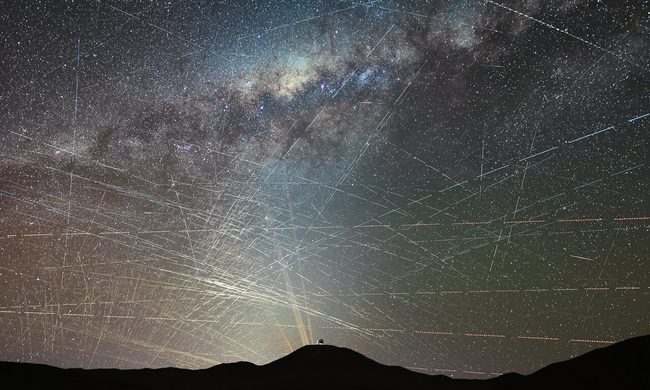
One hour of satellites over the northern Atacama Desert in Chile (October 2025)

The race to blanket Earth with satellite internet has unlocked faster connectivity for millions. But according to the European Southern Observatory (ESO), it could also make one of humanity's oldest hobbies, and one of its most important sciences, a whole lot harder. The organization warns that the rapid growth of satellite mega-constellations could severely disrupt observations made by some of the world's most powerful telescopes.

Astronomers say the night sky is reaching its limit

Read more
Amazon’s Starlink rival just crossed a major milestone, but don’t expect perfect internet just yet
Amazon finally showed up to the space internet party
Amazon Leo satellite layout across all launch vehicles

Amazon has taken a significant step toward launching its long-awaited satellite internet service. Following its latest rocket launch, the company now has 396 Project Kuiper satellites in low-Earth orbit, enough to begin offering continuous service across select regions. The milestone keeps Amazon on track for its previously announced goal of launching commercial service by mid-2026.

https://twitter.com/Weber44Chris/status/2072575499461963938?ref_src=twsrc%5Etfw%7Ctwcamp%5Etweetembed%7Ctwterm%5E2072575499461963938%7Ctwgr%5Ed727a1b853cbf519585e7bf2655943afb2f91bb8%7Ctwcon%5Es1_&ref_url=https%3A%2F%2Fwww.theverge.com%2Fscience%2F960563%2Famazon-leo-service-tipping-point

Read more
Amazon’s Starlink rival is set to launch satellite internet later this year
After launching nearly 400 satellites, Amazon says its Leo broadband service will go live later this year.
Atlas V launches 29 Amazon Leo satellites from Cape Canaveral, Florida

Amazon's long-awaited answer to SpaceX's Starlink is finally nearing liftoff. According to an exclusive report from Reuters, the company plans to begin offering its Leo satellite internet service later this year, after its latest rocket launch pushed the constellation to 394 satellites in orbit.

The pieces are finally falling into place for Project Kuiper

Read more