  1. Home
  2. Cars
  3. Legacy Archives

Take a look inside the interior of the new Land Rover Discovery Sport

Add as a preferred source on Google

The Land Rover Discovery Sport is due for a full online reveal on September 2nd, but that’s not stopping the British manufacturer from giving us a sneak peak a bit early.

We already know the new Discovery will take styling cues from the sleek and symmetrical Discovery Vision Concept, and Land Rover has just released a video previewing the compact SUV’s interior.

Recommended Videos

In the film, you can see the Discovery’s 5+2 seat layout in action over the soundtrack of what sounds like a shuttle launch. The view from inside might make you feel like an astronaut, though, as the full-size panoramic roof gracefully invites the stars to join you on your journey.

Land Rover Discovery Vision
Image used with permission by copyright holder

“Versatility is a fundamental element of the Discovery family and with 5+2 seating, generous load space and configurable seating the new Discovery Sport truly deserves to wear the Discovery badge,” said Gerry McGovern, Design Director at Land Rover.

Outside, the Discovery Sport looks to have smaller headlights, windows, and grill accents than its LR2 older brother. The changes modernize the SUVs character, moving from a wide-eyed boxy stance to a sharper, scalpel-like design.

Related: The 2015 Range Rover Sport SVR is the most powerful Land Rover ever

The Discovery Sport will fill out the brand’s ‘premium compact SUV’ segment, which is currently occupied by the outgoing LR2 and the Range Rover Evoque. It’s easy to see why Jaguar Land Rover is striving for repeat success with the Discovery Sport, because the Evoque is one of the company’s best sellers. It’s sold a record 255,600 units since its debut in 2011.

The first generation Discovery Sport may get a carryover engine from the LR2 and Evoque, a 2.0-liter, turbocharged four-cylinder that makes anywhere from 240 to 285 horsepower. Expect later models to house something from the upcoming Ingenium engine line, though. Ingenium’s firstborn, a 2.0-liter diesel, will start production late next year.

Andrew Hard
Andrew first started writing in middle school and hasn't put the pen down since. Whether it's technology, music, sports, or…
Tesla launches the six-seat Model Y Long Wheelbase in the US
The stretched electric SUV brings more space, more comfort, and up to 325 miles of range.
Tesla Model Y Long Wheelbase Featured

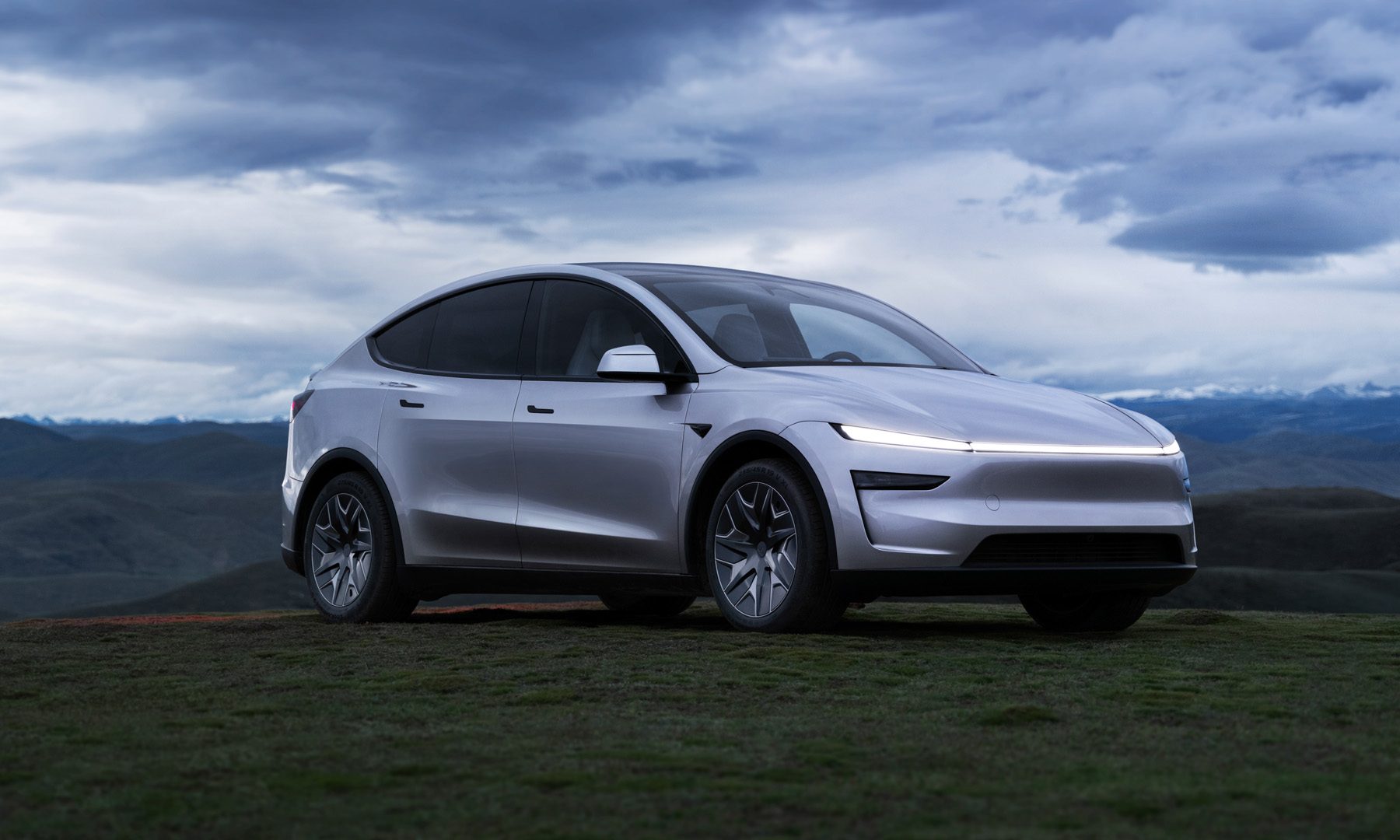
Tesla is giving the Model Y a little more breathing room. The company has officially launched the Model Y Long Wheelbase in the United States and Puerto Rico, introducing a stretched version of its best-selling electric SUV with a three-row, six-seat layout that's designed to make family road trips a lot more comfortable.

A bigger Model Y with a focus on comfort

Read more
A stolen Kia reveals the hidden limits of connected car technology
Kia can see where your stolen car is. GDPR means it won't share that in real time. That is the entire problem.
Kia EV3 design

If you’re buying a car with connected car technology, thinking it would help you to recover it in the event of theft, you might want to recalibrate your expectations. 

A recent incident in the UK, in which a car owner had three tracking devices installed in his car and still couldn’t recover it, led the carmaker to state that connected-car technology isn’t a “certified security vehicle tracker” (via the BBC).

Read more
Cambrige experts find utterly simple fix for longer lasting EV batteries. Just put some pressure on it.
Scientists found a way to make EV batteries last longer without reinventing the battery
EV Charging

EV battery breakthroughs typically involve new chemistry, exotic materials, or faster charging/higher capacity. But a new study reveals that you can skip all the fancy stuff and go with a very simple solution, Researchers from the University of Cambridge found that putting the battery under the right amount of pressure actually helps.

The study was about how physical pressure affects lithium-ion battery life, which found that keeping cells under constant pressure could double their lifespan. The work was published in Nature Energy, and the team says the improvement came without changing the active materials, electrolyte, or basic battery chemistry.

Read more