1. Home
  2. Computing
  3. News

Computer and change for a $10 bill: First units of $9 computer are shipping now

Add as a preferred source on Google

Earlier this year, the Chip computer made plenty of headlines following its massive success on Kickstarter, raising some $2 million beyond a pledge goal of just $50,000. Now, the first run of devices is beginning to be distributed to backers.

Like many crowdfunding success stories, the Chip has a unique selling point that differentiates it from previously existing products. In this case, it’s the fact that the computer itself costs just $9 — although, of course, things like a monitor, an input device, and shipping are not included in that figure.

Recommended Videos

Still, it’s a fully functioning computer that can be had for less than the price of a movie ticket. The device offers support for the open source LibreOffice package, has a Wi-Fi connection so you can surf the web, and even allows for a Bluetooth controller to be connected so you can play some games.

This is a real computer, it’s just a smaller and cheaper model than most others. It’s an intriguing look at a future where the price barrier for computers has truly been removed, and the fact that almost 40,000 people backed the project suggests that there’s plenty of interest in such an idea.

The devices shipping at the moment are Alpha prototypes which are targeted at enthusiast hackers, according to a report from Liliputing. The Chip appeals to this crowd in much the same way an Arduino or a Raspberry Pi would, but it’s also been designed such that it could be used in an educational setting, or as a light system to introduce novice users to computing.

The standard version of the Chip is anticipated to start shipping early next year. The group behind the project is currently focusing on fulfilling the devices ordered as part of the Kickstarter campaign, but the system will be available for purchase directly at a later date via the Next Thing Co. website.

Brad Jones
Brad is an English-born writer currently splitting his time between Edinburgh and Pennsylvania. You can find him on Twitter…
If you miss the feel of paper in the digital age, this app gives your Mac’s screen a textured look
A paper-like screen overlay could make long work sessions feel less harsh.
Advertisement, Poster, Electronics

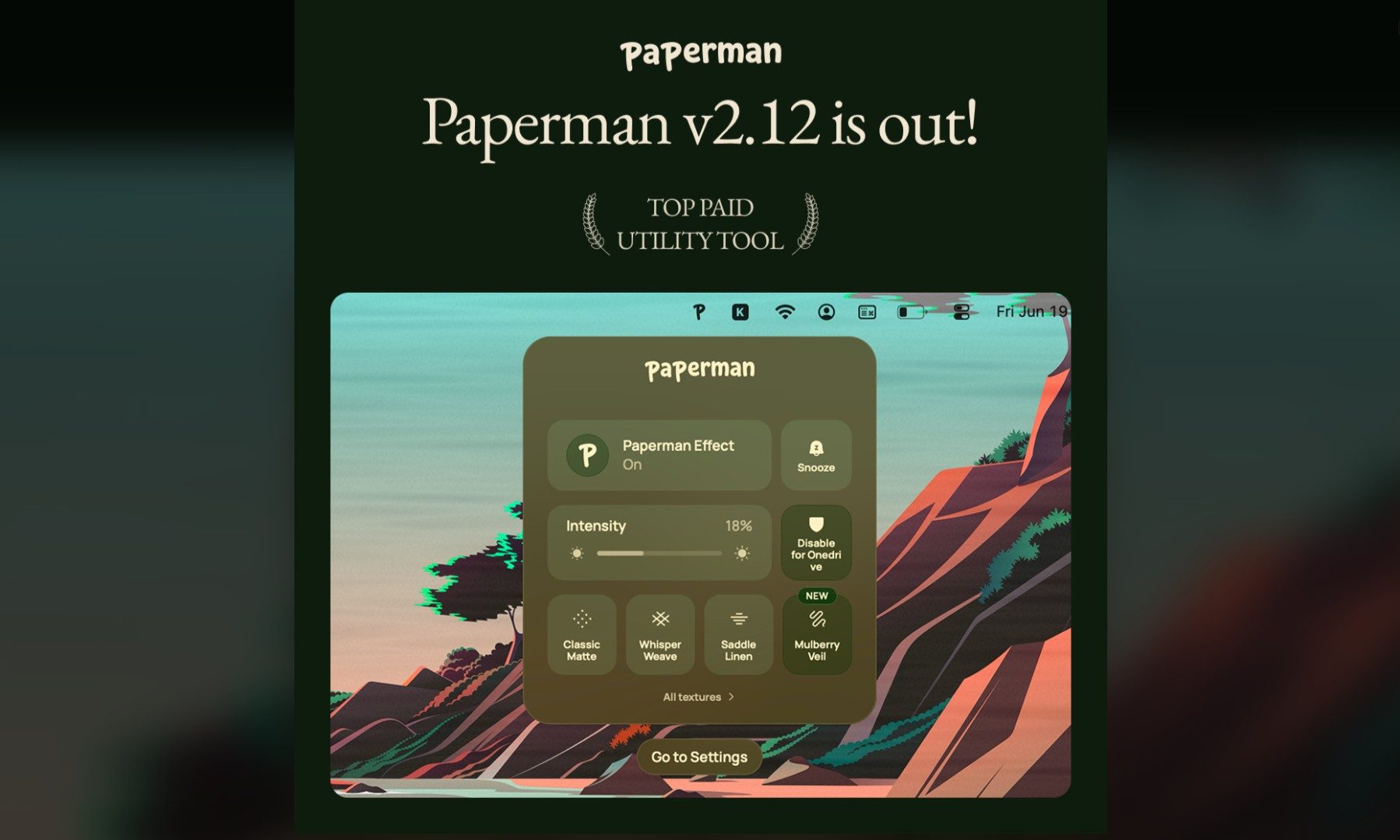
Most screen-comfort tools work by changing color temperature. Apple’s Night Shift makes the screen warmer, often giving everything an orange tint. Paperman is an interesting alternative because it adds a subtle paper-like texture over the display instead.

The app is available for Mac and Windows, and it is designed to make a screen look closer to paper, matte glass, or an e-ink display. It softens the harsh contrast and reduces the glossy look of modern screens during long reading or writing sessions.

Read more
I dug these last-hour Prime Day smart home, laptop, and accessory deals that are irresistible
Deals up to 60% off, a few hours left, and no reason to wait any longer.
Electronics, Phone, Speaker

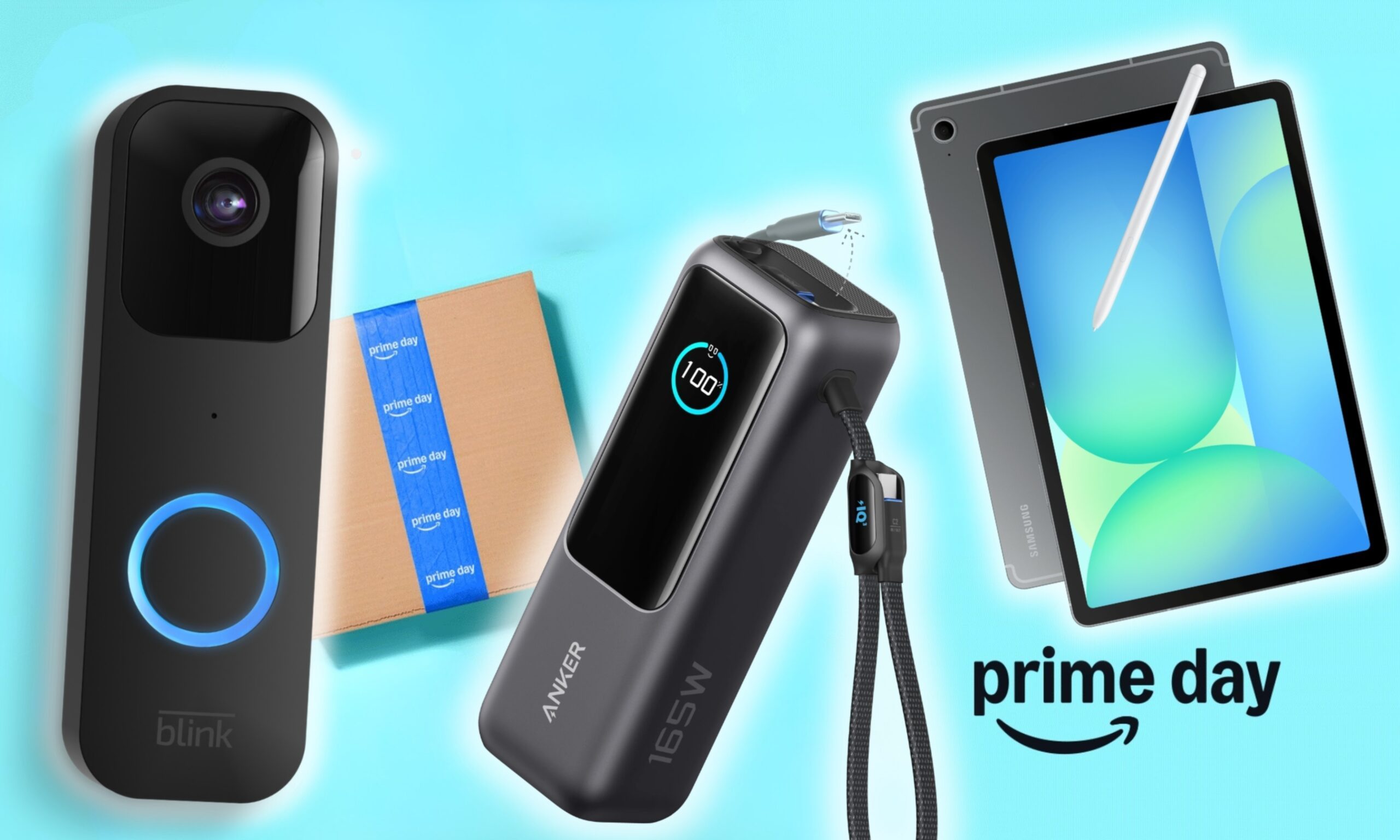
Amazon's Prime Day 2026 sale is in its final hours, giving you your last chance to get your hands on the best smart home, security, tablet, laptop, and accessory deals. I've pulled together the picks that are still live, still deeply discounted, and still worth buying before the sale ends tonight or until the stock lasts.

Best Amazon Prime Day deals on smart home devices

Read more
Apple’s biggest MacBook Pro redesign in years may skip the chip everyone expected
The next MacBook Pro may bring OLED and touch support without M6 Pro silicon
MacBook Pro on Table

Apple is expected to launch a refreshed MacBook Pro later this year, but according to Bloomberg, it won't come equipped with a next-gen processor. Instead, Apple is going to equip the highly anticipated device with Pro and Max variants of the current-gen M5 silicon.

It was widely speculated that when the redesigned MacBook with an OLED display and touch-screen capability debuts, it will also mark the arrival of the M6 series processors. Well, it appears that Apple has changed its silicon strategy pretty significantly.

Read more