  1. Home
  2. Cars
  3. News

Why Volkswagen's new SUV is so crucial to its future

Add as a preferred source on Google

Given the hit its environmental credentials took in the “Dieselgate” scandal, it might seem odd that Volkswagen will base its U.S. comeback on a new SUV. But the midsize crossover the automaker is gearing up to build at its Chattanooga, Tennessee, factory is very important indeed.

When Volkswagen opened the Chattanooga plant in 2011, it had a plan to dominate the U.S. market and make itself the world’s biggest carmaker. That didn’t work out, and not just because of the diesel scandal. VW just completed the first test body for its new SUV, which starts production later this year. It represents the company’s best chance for succeeding the second time around.

Recommended Videos

That’s because the new utility vehicle, which will have three rows of seats and compete with family haulers like the Ford Explorer and Honda Pilot, is exactly the kind of car Americans want to buy. SUV sales are booming, but right now Volkswagen doesn’t really have anything to offer in that category. The Touareg and Tiguan are both old, fairly expensive, and generally not very competitive in their corners of the market.

Read more: Volkswagen GTI Clubsport S breaks Nürburgring record

The Chattanooga-built SUV should be much more in line with American tastes. It will be a car-based crossover with enough seats to serve as a minivan substitute. The styling will likely be influenced by recent Volkswagen SUV concepts, with the CrossBlue from the 2013 Detroit Auto Show likely serving as the biggest influence.

Whatever it ends up looking like, the new SUV will be the first Volkswagen model tailored specifically to American tastes since the current-generation Passat that launched with the 2012 model. The U.S. Passat differs somewhat from the European model, and was aimed at lowest-common-denominator sedans like the Toyota Camry. While it did receive a significant update for 2016, the Passat is fairly old.

VW has a blitz of new utility vehicles planned for the next few years. A second-generation Tiguan should launch in the U.S. soon, possibly with third-row seat and plug-in hybrid options. The company is also planning a full-size model based on the T-Prime Concept GTE from the recent Beijing Auto Show.

Stephen Edelstein
Stephen is a freelance automotive journalist covering all things cars. He likes anything with four wheels, from classic cars…
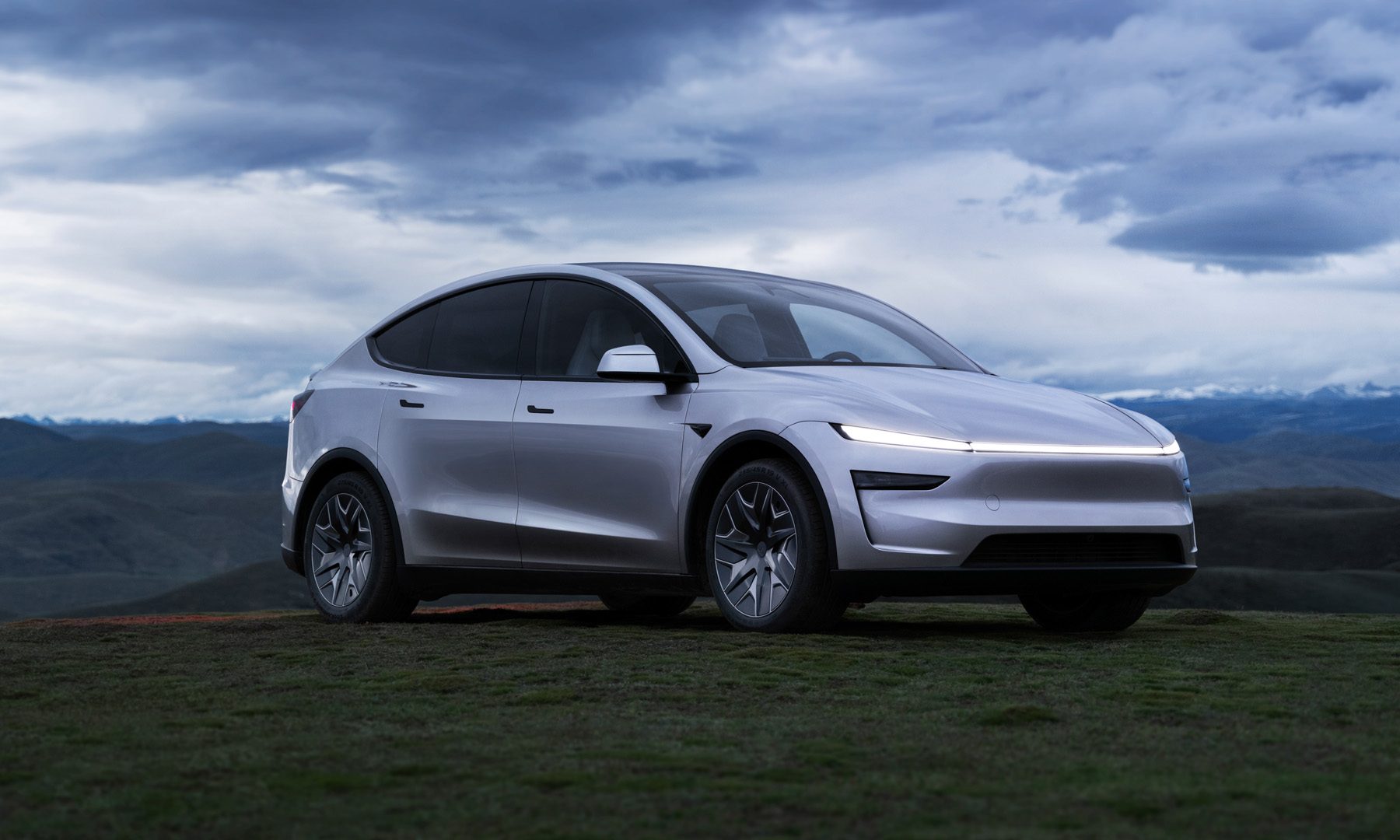
Tesla launches the six-seat Model Y Long Wheelbase in the US
The stretched electric SUV brings more space, more comfort, and up to 325 miles of range.
Tesla Model Y Long Wheelbase Featured

Tesla is giving the Model Y a little more breathing room. The company has officially launched the Model Y Long Wheelbase in the United States and Puerto Rico, introducing a stretched version of its best-selling electric SUV with a three-row, six-seat layout that's designed to make family road trips a lot more comfortable.

A bigger Model Y with a focus on comfort

Read more
A stolen Kia reveals the hidden limits of connected car technology
Kia can see where your stolen car is. GDPR means it won't share that in real time. That is the entire problem.
Kia EV3 design

If you’re buying a car with connected car technology, thinking it would help you to recover it in the event of theft, you might want to recalibrate your expectations. 

A recent incident in the UK, in which a car owner had three tracking devices installed in his car and still couldn’t recover it, led the carmaker to state that connected-car technology isn’t a “certified security vehicle tracker” (via the BBC).

Read more
Cambrige experts find utterly simple fix for longer lasting EV batteries. Just put some pressure on it.
Scientists found a way to make EV batteries last longer without reinventing the battery
EV Charging

EV battery breakthroughs typically involve new chemistry, exotic materials, or faster charging/higher capacity. But a new study reveals that you can skip all the fancy stuff and go with a very simple solution, Researchers from the University of Cambridge found that putting the battery under the right amount of pressure actually helps.

The study was about how physical pressure affects lithium-ion battery life, which found that keeping cells under constant pressure could double their lifespan. The work was published in Nature Energy, and the team says the improvement came without changing the active materials, electrolyte, or basic battery chemistry.

Read more