1. Home
  2. Phones
  3. Mobile
  4. News

Uber is aiming to eat into London’s meal-delivery market

Add as a preferred source on Google

Hungry office workers in central London have for years been spoiled for choice when it comes to grabbing lunch or dinner, with a vast array of eateries never more than a short walk away. In recent years, meal delivery services like Deliveroo have started to spring up, too, though competition in that particular sector looks like it’s about to get a whole lot more intense.

Why? Because on Thursday Uber launched its own meal-delivery service in central London.

Recommended Videos

The company will use a network of motorbike and bicycle couriers for its new UberEats service in the city, delivering ready-to-eat dishes from around 150 local restaurants.

Customers can order from the standalone UberEats app between 11 a.m. and 11 p.m. and there’s no minimum order.

In a bid to draw people away from competing services, or simply to persuade new users to place their first order, Uber is starting off by charging the princely sum of nothing for delivery, and promises to get your food to you within 30 minutes. And if it fails? You’ll be offered up to £20 off your next order.

The app is a breeze to use: Simply open it, choose from the list of available restaurants (determined by your location), explore the menu, select a dish, and place your order.

UberEats started out two years ago in Santa Monica (as UberFresh) before rolling into San Francisco, New York, LA, Chicago, and Austin. Further expansion has taken the service to cities such as Atlanta and Houston, and, outside of the U.S., Toronto, Melbourne, Paris, and now London. The standalone UberEats app for iOS and Android landed in March 2016.

The San Francisco company will be hoping UberEats London enjoys a smoother ride than its more famous car-booking service, which since its launch there in 2012 has faced repeated protests by drivers of the city’s iconic black cabs.

Just like taxi drivers in a number of other countries around the world, London’s cabbies see Uber as a threat to their industry and believe the service should be subject to the same rules and regulations.

Trevor Mogg
Contributing Editor
Not so many moons ago, Trevor moved from one tea-loving island nation that drives on the left (Britain) to another (Japan)…
Android 17 makes a strong case for ignoring Android version numbers entirely
When the most noticeable change is a better Quick Settings button, the annual update cycle starts looking more like branding than progress.
Android 17 logo.

Android 17 finally separated the Wi-Fi and mobile data buttons, and I hate how much that improved my mood. For years, Android treated internet access like one mysterious blob, as if Wi-Fi and cellular data were emotionally codependent. In Android 17 Beta 3, Google split the old combined Internet button into separate Wi-Fi and mobile data tiles, making each connection easier to switch off with a single tap.

That’s a good change, which is also why it’s a little damning. When one of the cleanest wins in a major OS update is “the buttons make sense again,” the celebration gets awkward fast.

Read more
Samsung’s Galaxy Z Fold 8 lineup could cost hundreds more this year
Samsung's next foldable comes with premium pricing pre-installed
Leaked render of Samsung Galaxy Z Fold 8.

Samsung's next generation of foldable smartphones may arrive with significantly higher price tags than their predecessors. According to information shared by Roland Quandt of WinFuture, the upcoming Galaxy Z Fold 8, Galaxy Z Fold 8 Ultra, Galaxy Z Flip 8, and the Galaxy Watch 9 lineup are all expected to see price increases in Europe when they are unveiled later this month.

While flagship smartphones have steadily become more expensive over the past few years, the leaked pricing suggests Samsung could be taking another sizeable step upward, particularly for buyers opting for higher storage variants.

Read more
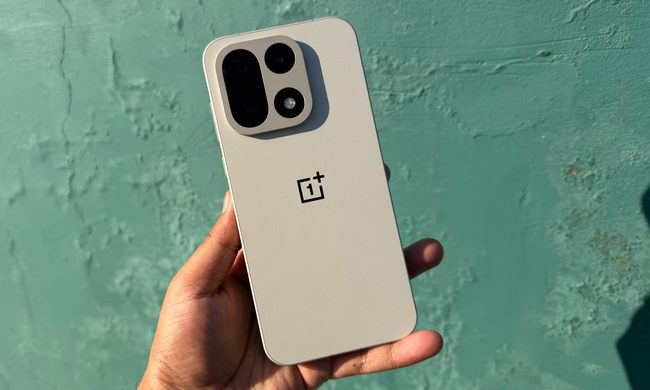
OxygenOS made OnePlus phones special. Now, it might go away forever
The Android skin that defined what a clean, fast phone could be is officially ending. ColorOS is what comes next.
Person holding OnePlus 15.

If you bought a OnePlus because of OxygenOS, for the relatively clean, fast, and actually-useful Android experience, your phone may be the last one to get it. 

According to a report from the Indian outlet Smartprix, OxygenOS and Realme UI are both reportedly being phased out. If accurate, everything would move to ColorOS, the skin atop Android on Oppo smartphones, globally, across all three brands.

Read more