  1. Home
  2. Cars
  3. News

Judge extends Volkswagen diesel settlement deadline

Add as a preferred source on Google

Volkswagen and U.S. regulators are getting an extra week to finalize details of the diesel settlement announced in April. Terms were originally supposed to be finalized by next Tuesday, but a U.S. District Court Judge is extending the deadline to June 28.

Judge Charles Breyer said in a written order that he was extending the deadline at the request of former FBI director Robert S. Mueller, who is acting as a court-appointed mediator. The judge said an extension was necessary “given the highly technical nature of the proposed settlements in these complex proceedings,” according to Reuters.

Recommended Videos

The settlement only covers the 482,000 Volkswagen and Audi models equipped with 2.0-liter four-cylinder engines. VW, Audi, and Porsche models equipped with 3.0-liter V6 engines are still in limbo. Volkswagen is expected to offer to buy back the 2.0-liter cars, or modify them to meet emissions standards if owners don’t want to sell. A fund for monetary compensation will also be established, separate from the buyback offer.

Read more: Audi cancels 2017 A4 TDI

Exactly how the cars will be modified is unclear. Some may only require software changes, but others may not be able to meet emissions standards without the addition of complex after-treatment systems, which add urea fluid to the exhaust to scrub pollutants. On some older cars, the modifications may exceed the value of the vehicle.

It’s expected that another fund will be established for environmental remediation efforts, in order to counteract the effects of excess emissions from VW’s diesel cars. The company will likely have to pay fines for violations of the Clean Air Act as well. When the diesel scandal first broke back in September, the Environmental Protection Agency said those fines could total $18 billion. Volkswagen also faces an ongoing U.S. Justice Department investigation.

After it is finalized, the diesel settlement will be released for a public comment period before final judicial approval, which will come at a July 26 meeting. Judge Breyer did not delay that hearing, so the public comment period is now four weeks instead of five.

Stephen Edelstein
Stephen is a freelance automotive journalist covering all things cars. He likes anything with four wheels, from classic cars…
Tesla launches the six-seat Model Y Long Wheelbase in the US
The stretched electric SUV brings more space, more comfort, and up to 325 miles of range.
Tesla Model Y Long Wheelbase Featured

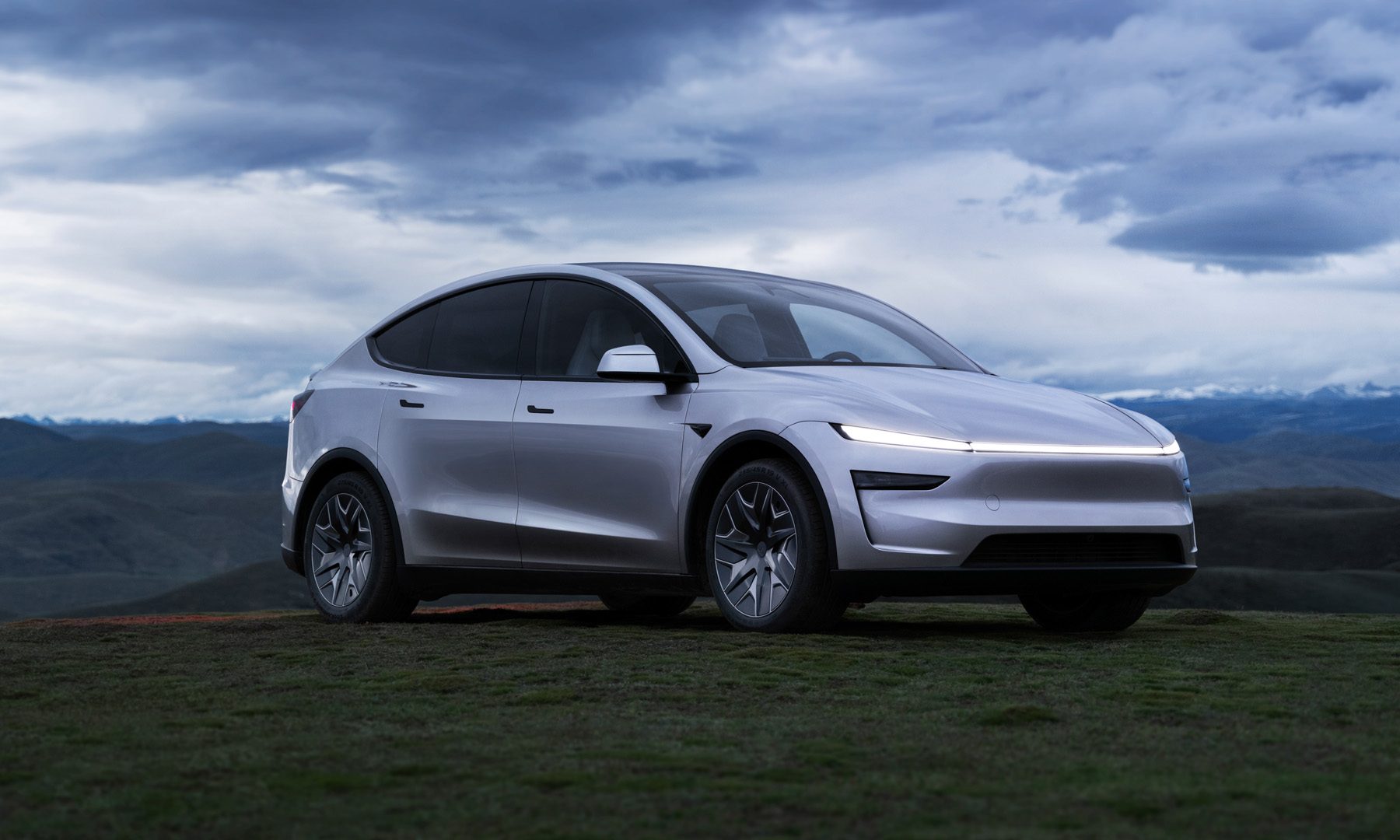
Tesla is giving the Model Y a little more breathing room. The company has officially launched the Model Y Long Wheelbase in the United States and Puerto Rico, introducing a stretched version of its best-selling electric SUV with a three-row, six-seat layout that's designed to make family road trips a lot more comfortable.

A bigger Model Y with a focus on comfort

Read more
A stolen Kia reveals the hidden limits of connected car technology
Kia can see where your stolen car is. GDPR means it won't share that in real time. That is the entire problem.
Kia EV3 design

If you’re buying a car with connected car technology, thinking it would help you to recover it in the event of theft, you might want to recalibrate your expectations. 

A recent incident in the UK, in which a car owner had three tracking devices installed in his car and still couldn’t recover it, led the carmaker to state that connected-car technology isn’t a “certified security vehicle tracker” (via the BBC).

Read more
Cambrige experts find utterly simple fix for longer lasting EV batteries. Just put some pressure on it.
Scientists found a way to make EV batteries last longer without reinventing the battery
EV Charging

EV battery breakthroughs typically involve new chemistry, exotic materials, or faster charging/higher capacity. But a new study reveals that you can skip all the fancy stuff and go with a very simple solution, Researchers from the University of Cambridge found that putting the battery under the right amount of pressure actually helps.

The study was about how physical pressure affects lithium-ion battery life, which found that keeping cells under constant pressure could double their lifespan. The work was published in Nature Energy, and the team says the improvement came without changing the active materials, electrolyte, or basic battery chemistry.

Read more