General Motors announced it will provide a software development kit (SDK) to its application framework for developers of in-vehicle applications. GM will provide the SDK through an online portal and should allow would-be developers an easier, more streamlined process for creating apps, and enable drivers the ability to download community-made in-vehicle apps to select cars in GM’s 2014 lineup.
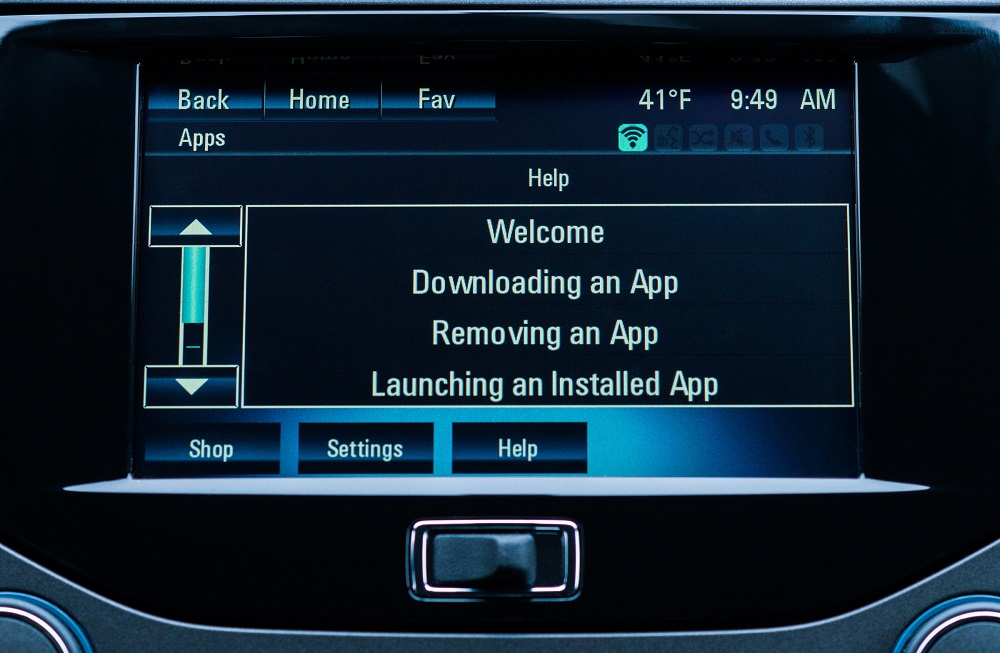
Like the current smartphone experience, which the auto industry seems desperate to emulate, owners will be able to add apps and features to their vehicles after initial purchase, and in doing so allow for improvement to a vehicle’s infotainment over its lifespan.
According to GM, access to its SDK will allow developers to work with the company in a secure and controlled environment, with the goal to deliver the most useful, customizable, intuitive, and vehicle-centered automotive apps.
The announcement of GM’s development transparency might seem like a small step, but by providing developers access to its framework the company is laying the foundation for a more robust system, one that can evolve over time and grow with the needs of the consumer. It’s a move that isn’t particularly bold, but one in which automakers have been slow to adopt. The auto industry will likely never keep pace with companies like Samsung and Apple, but opening the doors to developers and encouraging app development should foster more vehicle specific apps, ones that meet the needs of drivers and aren’t stripped down versions of those found in smart devices.

GM says the framework for its system will lead to the development of entirely new category of vehicle apps. “There will be a category of apps that will be unique to our cars and very different from what people use today on their smartphones or tablets,” said GM Chief Infotainment Officer Phil Abram. “It’s not just taking phone apps and making them functional in a car, which most car companies do in some form now. Instead, GM may approve applications that stem from vehicle ownership. For example, customers can choose to download applications that assist them in driving more safely or in a more fuel efficient manner, possibly decreasing the costs of vehicle ownership.”
Future apps will funnel into a catalog incorporated through new infotainment systems debuting in select 2014 MyLink capable vehicles. The catalog will allow owner’s to select from a menu of available apps specifically built around the in-vehicle experience. Four potential apps already exist for the new app catalog from potential partners, including iHeartRadio, TuneIn, Slacker, and The Weather Channel. The listed apps are currently unavailable in GM vehicles, however, GM plans to implement and expand the list as the company readies the launch of it its new framework.
Aspiring app developers can go here to download it. Applications must go through a vetting process in which GM will provide the next steps for testing and publication once evaluated and green lit. The online portal will also serve as an active community and blogspot for developers to bounce around ideas and keep up to date on the latest news and info.
As it stands, each automaker has their own framework for infotainment and app development, and while GM’s new ecosystem still pertains to GM vehicles only, opening up its platform to developers will provide a good opportunity for app variety and also help build a creative community that should ultimately benefit the infotainment experience.