What’s happened? Apple has quietly reduced how much it’s willing to pay for your old hardware. As spotted by MacRumors, updated trade-in values across iPhones, Macs, iPads, and Apple Watches show noticeable drops, which in some cases, are as high as 25%. The adjustments come just ahead of the holiday buying season, effectively making upgrades a little pricier for anyone relying on trade-in credit.
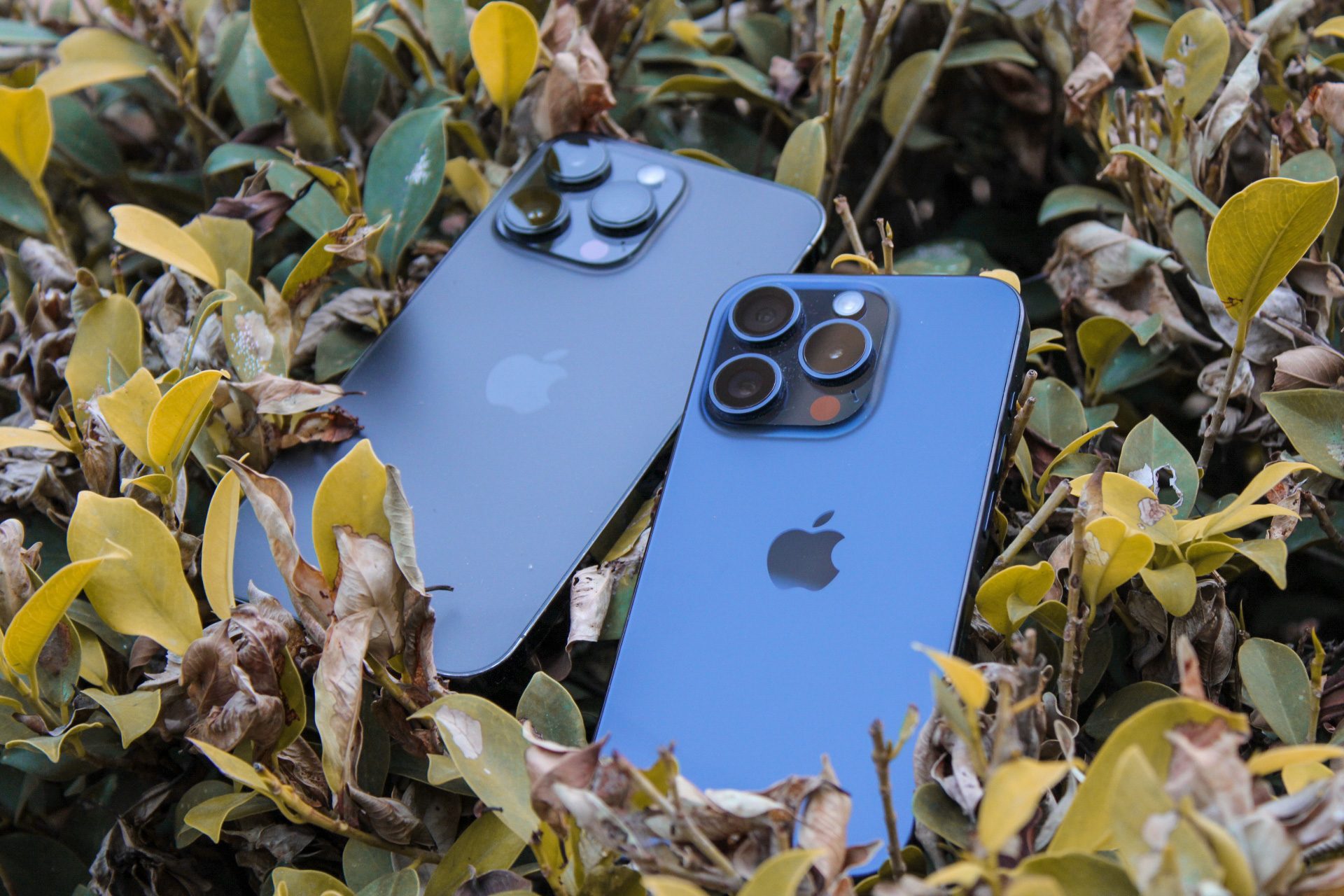
- The iPhone 15 Pro Max now tops out at $470, down from $630 — roughly a 25% decrease.
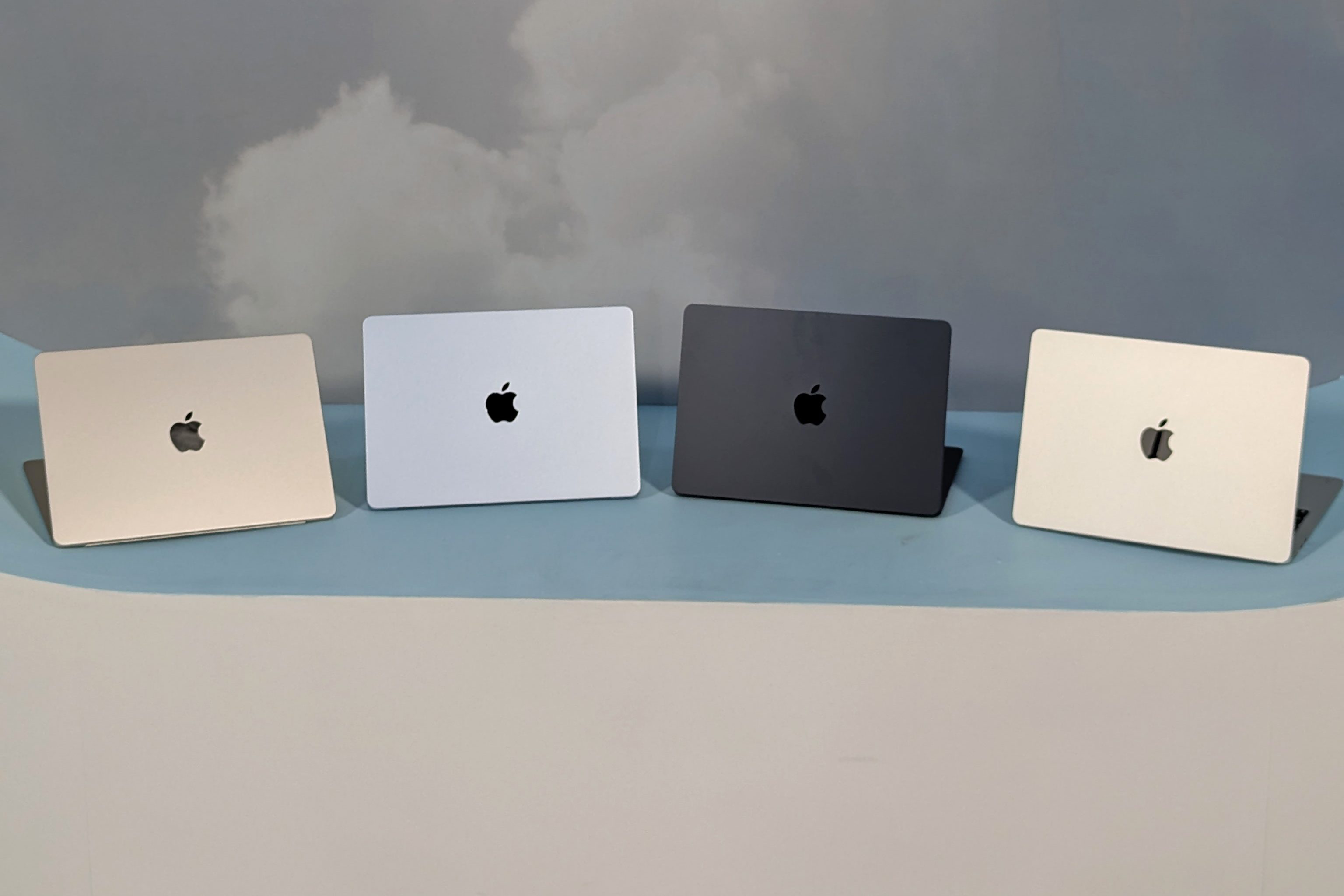
- On Macs, the iMac price dropped from $490 to just $375, while the iMac Pro price decreased from $385 to $240.
- Some older models, such as the 12-inch MacBook, have been removed from U.S. eligibility lists entirely.
Why this is important: This move matters because trade-in value is a significant part of Apple’s upgrade strategy, for both users and the company. Lower trade-in credit means users will need to invest more cash when upgrading, potentially slowing purchase cycles and reducing the appeal of new devices. From Apple’s perspective, reduced trade-in payouts help maintain profit margins in a saturated hardware market and reduce refurb stock value.
Additionally, it might also signal a shift in how Apple values its back-catalog gear, implying the trade-in window for older-generation hardware is shorter than users may expect. Essentially, if you were hoping your current Apple gear would bundle you into the next model with minimal out-of-pocket cost, this update adds more sticker shock and fewer safety nets.
Why should I care? If you own an iPhone, Mac, or other Apple device and were planning to trade it in at upgrade time, this change directly affects the value you’ll get, effectively shrinking your upgrade budget. The lower payout means you might wait longer before upgrading or consider buying more lightly used/refurbished hardware instead.
Because trade-in credit is often factored into the overall new-device cost, the drop in value could make upgrades less convenient and slightly more expensive up front. Plus, if Apple continues this trend, future trade-in offers could shrink further, so the timing of your trade-in matters more than ever. As such, if you’re eligible for trade-in, it might make sense to lock in your trade-in value as soon as possible rather than assuming the rates will stay the same.
Okay, so what’s next? If you’re thinking of trading in soon, check your device’s estimated value now and weigh whether upgrading before further cuts makes sense. Additionally, instead of getting the latest product, you should also monitor the refurbished/used market. As Apple reduces its own trade-in credits, resale value outside of Apple may fluctuate. For Apple, the strategy likely signals a tighter trade-in ecosystem and perhaps a shift toward services and accessories to drive margins, which is something to keep in mind as you plan your next upgrade.