1. Home
  2. Computing
  3. News

Caltech built a robot that could probably outrun, outsmart, and outfly you

This robot can walk, fly, and drive - just don’t ask it to cook

Add as a preferred source on Google
Caltech Multirobot Response Team
Caltech

What Happened: Alright, so Caltech and a research team in Abu Dhabi (Technology Innovation Institute) just showed off a new robot system they’ve been cooking up for three years, and it’s nuts.

  • Imagine a walking, two-legged robot just strolling along with what looks like a backpack.
  • But then, it gets to a tricky spot, and that “backpack” detaches, and it’s a drone.
  • The craziest part? The drone can fly over something like a pond, land on the other side, and then pop out wheels to start driving. It’s like a real-life transformer.
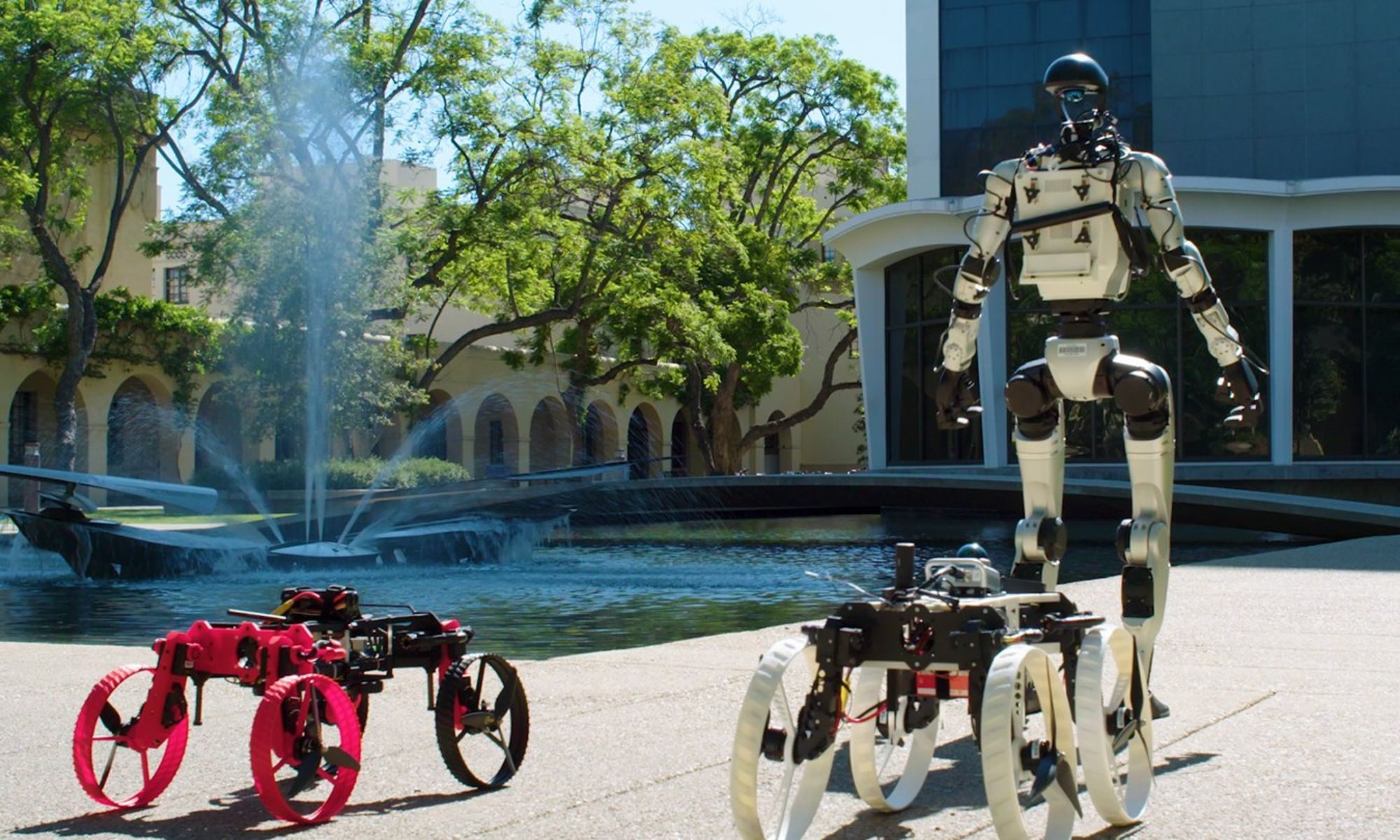
Why This Is Important: The reason this is such a game-changer is that most robots are one-trick ponies. A walking robot gets stuck if it needs to cross water.

  • A flying drone can’t exactly open a door. They have a single skill. This X1 system is different because it’s a team.
  • It can walk, fly, and drive, all in one package. It can look at a problem and choose the best tool for the job, which is something robots have never really been able to do on their own before.
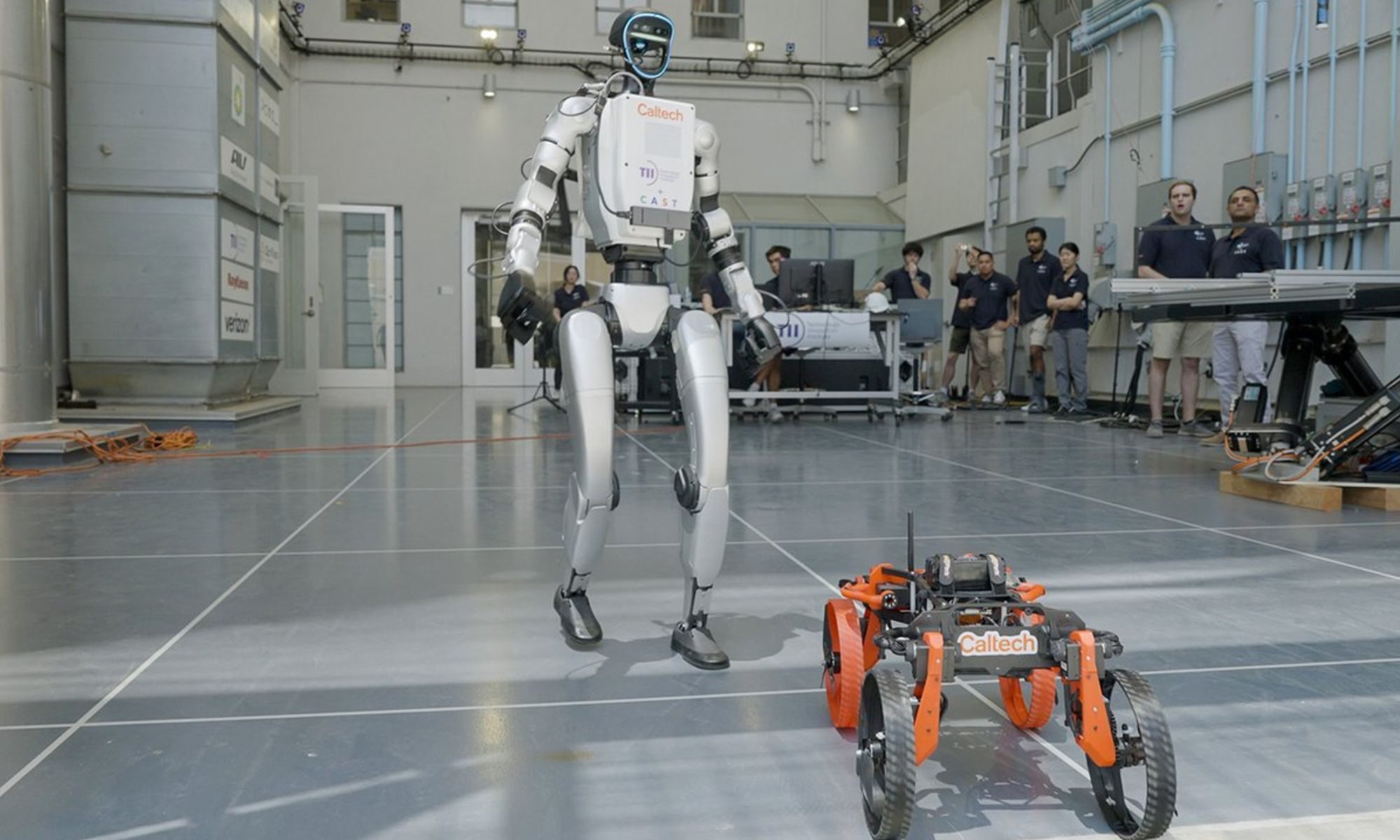
Why Should I Care: This isn’t just about building a cooler gadget. Think about a search and rescue mission after an earthquake.

  • You could send in a system like this to navigate the rubble in ways a single robot never could. It could walk over unstable ground, then send its drone to fly up and check a collapsed floor above.
  • We’re talking about a tool that could save lives by going into places that are way too dangerous for any person, all while making smart decisions on its own.
Recommended Videos

What’s Next: So what’s next? Well, they want to make it even smarter. The goal is to get to a point where you don’t have to give it a step-by-step plan. You just give it a mission, and it figures out the best way to get it done, learning as it goes. We’re still a ways off, but this is a huge step toward robots that aren’t just machines following orders, but actual partners that can help us solve some really tough problems.

Moinak Pal
Moinak Pal is has been working in the technology sector covering both consumer centric tech and automotive technology for the…
New open-weight AI from China is toppling the best of OpenAI and Claude Fable
Moonshot’s 2.8-trillion-parameter Kimi K3 beats Fable 5 and GPT 5.6 Sol in select benchmarks
Art, Drawing, Plant

China's Moonshot AI has launched Kimi K3, a massive 2.8-trillion-parameter model built for coding, research, reasoning, and visual tasks. Moonshot admits K3 still trails Claude Fable 5 and GPT 5.6 Sol overall. Even so, its benchmark results put it surprisingly close to both, and it finishes ahead in several tests.

How close is Kimi K3 to the best closed models?

Read more
Gemini could finally let you choose how friendly it sounds
Finally, you can stop Gemini from sounding like your HR manager
Google Gemini

Google has spent the past few months making Gemini sound more natural, expressive, and conversational. Now, it appears the company is preparing to give users far more control over how the AI speaks.

Code spotted by Android Authority's APK Insights - the latest beta version of the Google app suggests Gemini may soon allow users to customise its voice across four separate parameters: Energy, Formality, Warmth, and Speed. Instead of choosing from a fixed list of personalities, users could tweak these characteristics to create a voice that better suits their preferences.

Read more
ChatGPT will now remind teens to take breaks and give parents more controls
New parental controls include Quiet Hours, Study Mode defaults, and alerts for serious account violations.
chatgpt-teen-safety-features

OpenAI wants to make ChatGPT safer for teens, and the changes go well beyond a simple content filter. In a new update, the company laid out its stance on why teens should have access to AI in the first place, arguing that keeping them away from it entirely would leave them unprepared for one of the defining technologies of their generation.

Nearly 90% of teens already use ChatGPT weekly for learning, research, or getting organized, which is why OpenAI says access needs to come paired with real protections built for their age.

Read more