1. Home
  2. Computing
  3. Legacy Archives

Google Talk Offers IM and Voice Features

Add as a preferred source on Google

Google has taken the wraps off its anticipated Google Talk instant messaging and voice-over-Internet service, elbowing its way into a crowded room long fought-over by America Online’s AIM and ICQ services, Yahoo Messenger, Microsoft’s MSN service, and recently set a-twitter by the svelte European arrival Skype, each of which are well-established with many millions of users.

What does Internet darling Google think it can bring to a party that’s been underway for years?

Recommended Videos

For one thing, Google Talk is free: users don’t need to sign up for a service and pay a monthly fee to use Google Talk, although users do need to have a GMail account to sign in. Second, Google Talk is based on the open standard Jabber/XMPP protocol, which means that Google Talk users can talk to anyone using a Jabber-savvy instant messaging client, regardless of the service they use. In contrast, MSN, AIM, Yahoo Messenger, and Skype are all proprietary systems which offer only limited, selective access to other instant messaging systems. Currently, Google Talk can exchange messages with Trillian, Apple’s iChat, Adium, GAIM, Psi, and a new system under development at Earthlink, although Google Talk currently only supports computer-to-computer voice communications with itself. Google Talk doesn’t display any advertisements or pop-ups, and the company says it collects no personal information about users, although Google Talk doesn’t not currently encrypt messages either.

Google Talk requires Windows 2000, Windows XP (Home & Pro), or Windows Server 2003 and is currently available in English; Google says it hopes to add other languages and operating systems in the future. To use computer-to-computer voice capabilities, users will also need a microphone, a speaker, and at least a 56Kbps Internet connection.

Analysts speculate Google Talk is part of a larger strategy by Google to most into mobile phones services and video search. Google Talk may also spur interest in Google’s GMail service, which to date has only been available on the basis of referrals from current users. Google now offers a mechanism whereby Internet users can obtain a GMail account by responding to an SMS message sent to a mobile phone.


Geoff Duncan
Former Contributor
Geoff Duncan writes, programs, edits, plays music, and delights in making software misbehave. He's probably the only member…
Deepfake bosses are crashing video calls, and researchers are trying to expose them
Seeing your boss on video no longer proves they are real
Researchers at Fraunhofer SIT are fighting against deepfake meeting video calls

Entering into a meeting with your boss and several familiar coworkers inside a video conference is the next area vulnerable to cybercrimes, and it's all because of deepfake technology. Researchers at the Fraunhofer Institute for Secure Information Technology SIT are working on a real-time warning system designed to identify attempted fraud during corporate video conferences.

The report states that criminals are increasingly targeting video meetings for identity theft and financial scams, taking advantage of the trust people place in familiar faces and voices. The intention is to flag suspicious activity while the meeting is still taking place. This gives an employee a chance to stop before following an expensive instruction from an AI-generated executive.

Read more
Apple will finally stop making iPhone-to-Windows copy-paste such a chore
Your iPhone may finally copy and paste with a Windows PC like it should
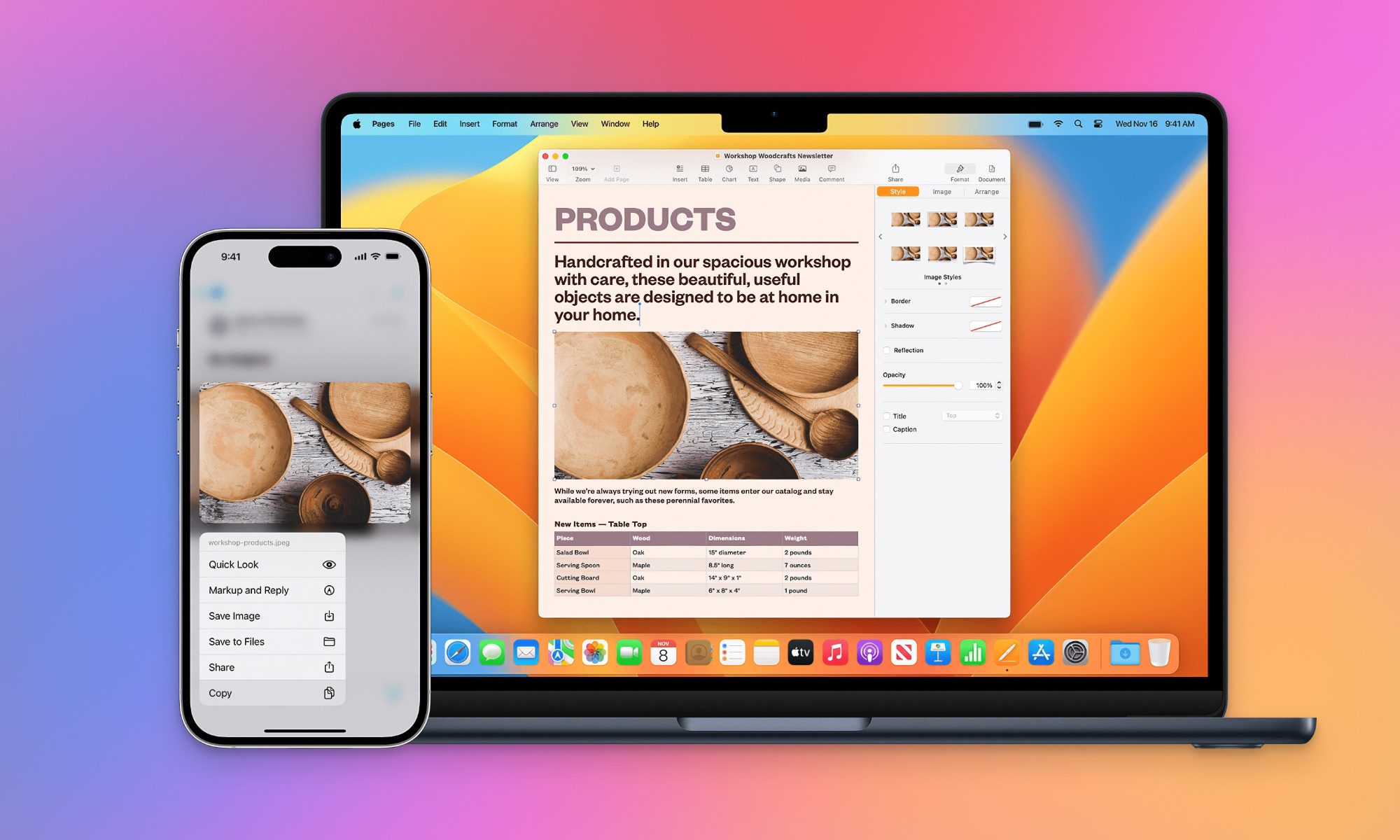
Apple Universal Clipboard feature

Copying something on an iPhone and pasting it onto a Windows PC should be one of the least remarkable features imaginable. While this simple process seems effortless between an iPhone and Mac, Windows users are still left waiting.

Now, Microsoft is formally asking Apple to provide interoperable clipboard access through the company’s European Union interoperability process. The request, submitted on March 25, argues that iOS restrictions prevent third-party platforms from creating an experience comparable to Apple’s Universal Clipboard. Apple has now reached Phase III and committed to developing a solution.

Read more
Chrome wants more extension reviews, but good ratings won’t keep malware out
Google is testing built-in extension review prompts, but good ratings can still hide malware
malicious-google-chrome-extensions-on-web-store

Google is preparing to add extension review links directly inside Chrome, putting feedback closer to the menus people already use to manage their add-ons.

A Chromium change, first spotted by Windows Report, points to review options in the Extensions menu, the chrome://extensions management page, and extension context menus. Only eligible Chrome Web Store extensions in good standing would qualify, and the feature is still under development.

Read more