1. Home
  2. Computing
  3. News

HP’s Spectre x360 15 sports smaller bezels, more power, and better battery life

Add as a preferred source on Google

With its six-core Intel processor and impressive 4K display, HP’s Spectre x360 15 has long been one of our favorite Windows 10 2-in-1s. But, ahead of CES 2020, HP is taking its lineup further with an updated Spectre x360 15 model that features smaller bezels, and updated Intel and Nvidia CPU and GPUs on the inside.

Coming in March for prices starting at $1,600, the biggest change of all on the new Spectre x360 15 is its slimmer screen. HP has slimmed down the ugly bottom and side bezels on the 2-in-1, and it is now sporting a 90% screen to body ratio, which is an improvement over last year’s 80%.

This also means that the new Spectre x360 15 is slightly smaller, as its side profile is now down to 17.36mm, a 24mm reduction over last year’s model. HP says the design changes were accomplished thanks to a slimmer webcam, as well as moving the hinges to become part of a strengthened CNC part under the display panel.

Recommended Videos

As for the updated Nvidia and Intel power under the hood, HP is choosing Intel’s 10th-gen Comet Lake processors, as well as Nvidia’s latest graphics. You’ll find options for both a four-core, as well as a six-core Intel processor onboard the Spectre x360 15. HP also promises that the latest Nvidia GPUs can “accelerate photo editing” and “boost the performance of 3D content creation.”

Elsewhere, the updated Spectre model sports 4K displays as a standard option, a big change from last year where there was a 1080p FHD panel available. HP claims this is a change they made with content creators in mind, as there is now a total of three different 4K panels to choose from on the new Spectre x360 15.

Options range from the standard 4K panel on last year’s model, a low power panel which can extend battery life for up to 17 hours, and a more vibrant OLED panel as well. That OLED panel is similar to the one on the smaller x360 13, which was released in 2019, with a 30% wider color gamut for accurate colors, as well as the “HP Display Control” software that allows for special color space presets.

Ports and connectivity remain the same between generations, with the mix including 2 USB-C, full-size HDMI 2.0 ports, a USB-A 3.1 port, and a microSD card reader. The trackpad has also been upgraded, and it now is Microsoft Precision, allowing for support for Windows 10’s multi-touch gestures.

Follow our live blog for more CES news and announcements.

Arif Bacchus
Arif Bacchus is a native New Yorker and a fan of all things technology. Arif works as a freelance writer at Digital Trends…
Getting health advice from AI chatbots comes with a problem doctors may never see
Researchers say AI companies should face the same liability as doctors for bad health advice
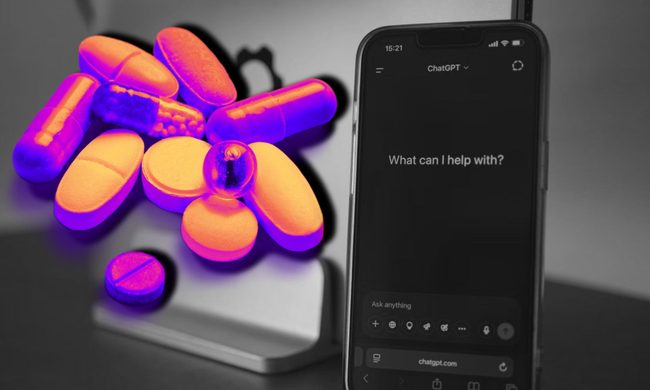
ChatGPT and pills on the same canvas.

AI chatbots have quietly become a go-to source for medical advice the extent that some are dangerously skipping real doctors. But when AI's health advice goes wrong, doctors may never see the exchange behind it.

Researchers from Binghamton University, Stanford, Texas A&M, and Indiana University published a paper in Nature Health examining what happens after a chatbot gives you bad health information. Their biggest concern is not just that chatbots can be wrong. It is that those mistakes often leave no trace for doctors, researchers, or regulators to catch.

Read more
AI companies expect a catastrophic AI incident and are reportedly preparing for the aftermath
A major AI cyberattack could disrupt essential services, damage public trust, and spark a political fight over regulations.
openai-anthropic-logo-on-screen

Leaders at OpenAI, Anthropic, and other AI companies are reportedly preparing for a potential AI disaster that could turn the public against artificial intelligence. According to an Axios report, industry leaders are privately running through possible scenarios for what happens after a catastrophic AI incident.

What kind of AI disaster are companies preparing for?

Read more
Elon Musk’s SpaceX just made a big move to become a mobile carrier heavyweight in the US
SpaceX moves closer to becoming a major US mobile carrier with $8 billion deal
spacex

Elon Musk’s SpaceX is moving past satellite internet, and it’s making a big move into the US wireless market. The company has agreed to buy cellular spectrum licences from investment firm Grain Management in a deal reportedly worth about $8 billion, its biggest move yet to compete with established mobile carriers such as AT&T, Verizon and T-Mobile, according to a WSJ report.

The deal is for spectrum in the 800MHz band, which is for mobile services delivered via terrestrial infrastructure such as cell towers, not satellites. If the acquisition is approved, SpaceX could combine those airwaves with its growing Starlink satellite network to create a more comprehensive wireless service.

Read more