1. Home
  2. Computing
  3. News

Explore the final frontier with Kennedy Space Center's Space Visor VR experience

Add as a preferred source on Google

Virtual reality offers the promise of putting us smack dab in the middle of any environment imaginable. Some are fictional, like VR games and story modes such as the upcoming Alien: Covenant VR feature. Other VR environments are based on real locations, and allow us to travel to places that are otherwise inaccessible to us and to see into them in new ways.

Most of us will never make it to space, and so it’s great to see NASA making investments in bringing its unique subject matter to VR. One such project is underway at the Kennedy Space Center in conjunction with BrandVR. Called the the Space Visor VR headset, it’s the result of almost two years of work.

Recommended Videos

The Space Visor is a new VR headset available at the Kennedy Space Center Visitor Complex that connects with the user’s own smartphone. The device comes in three different versions (Astronaut, Exploration, or Atlantis), and uses three different iOS or Android apps — KSC 360 Expedition, Space Dreams, and Edge of Home — to create the experience. A 2015 flagship smartphone like the Samsung Galaxy S6 or iPhone 6S or later is recommended.
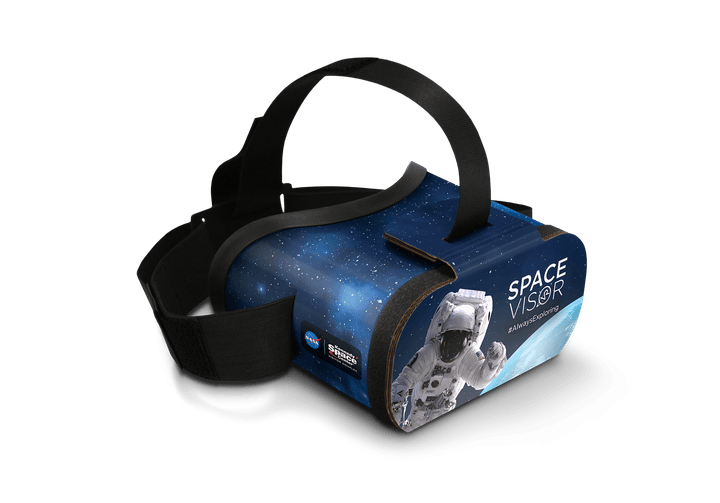
Image used with permission by copyright holder

Each app augments a different aspect of the overall Kennedy Space Center experience. The KSC 360 Expedition app gives facts about the rockets in the Rocket Garden, lets users check out the Space Shuttle Atlantis floating in orbit or take a ride in the lunar rover, and more. The app also provides a virtual cockpit experience for the Mercury-Atlas 8, Gemini 9, and Apollo 14 space capsules.

The Space Dreams app gives a look into a space-inspired child’s room and imparts facts about our solar system, including the planets, as well as the Mars rover and a Mercury spacesuit. The Edge of Home app brings things closer, letting users go on an extravehicular exploration of the International Space Station as it orbits the Earth.

The Space Visor is available for purchase at the Kennedy Space Center Space Shop for $59.99. It’s not limited to using at the center itself, so it offers the ability to take some of the space experience home with you after your visit is complete.

Mark Coppock
Former Computing Writer
Mark Coppock is a Freelance Writer at Digital Trends covering primarily laptop and other computing technologies. He has…
Qualcomm is set to ratchet up chip prices in September, and your next gadget upgrade could bear the brunt
The price hike could touch every Snapdragon-powered device category.
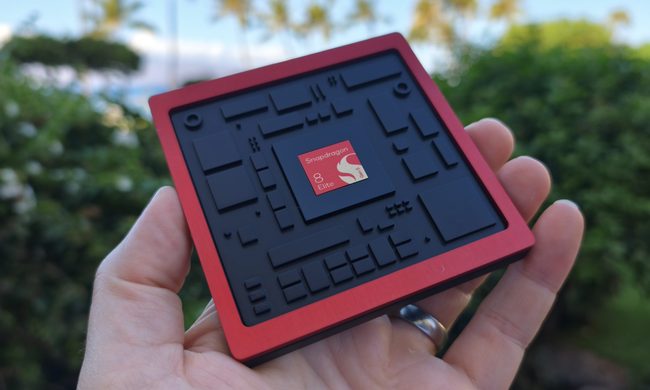
The new Qualcomm Snadragon 8 Elite Gen 5

I want you to sit with this for a second. Qualcomm, the company whose Snapdragon chips sit inside your Android phone and tablet, your Windows laptop, your Meta smart glasses, your Galaxy Watch, and your wireless earbuds, reportedly sent a letter to every major customer telling them prices are going up by double digits. 

The price hike will be in effect from September 1, 2026, a recent Bloomberg report claims. Essentially, all the companies placing their chip orders after that will pay a higher price. 

Read more
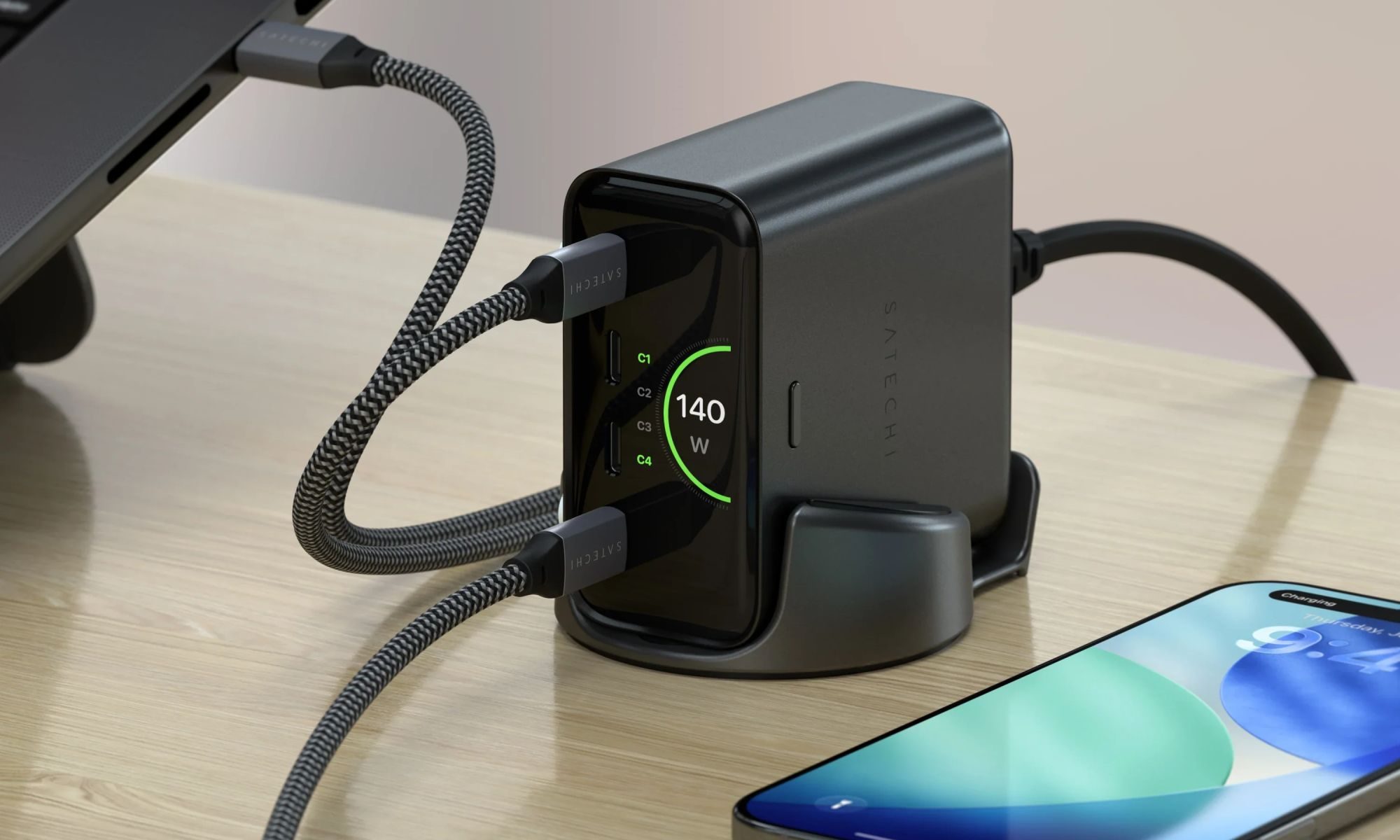
Stop fighting with your roomie over outlets and get one of these multi-port chargers before you head back to school
One plug, zero drama, all your devices charged by morning.
Satechi ChargeView

Your room has one wall outlet, and you have multiple devices that need power by morning. Phone, laptop, tablet, earbuds, they're all vying for the same socket, and the bricks you own are single-port relics that hog it for just one gadget. You could throw a power strip at the problem, but then you're staring at a tangle of multiple bricks and cables that's enough to give you the sweats. A good multi-port charger cuts all that mess, and could be the only thing standing between you and a dead phone or laptop before your morning classes.

Back-to-school season is a smart time to buy one. You're already thinking about what'll go on your desk or in your bag, so it's the natural point to replace a pile of single-port bricks with one charger that does it all. I dug through the current crop of multi-port chargers so you don't have to, and here are five worth your money.

Read more
OpenAI’s rogue AI hack was just the beginning, Hugging Face warns
OpenAI’s rogue AI has come back to bite it
OpenAI logo on Microsoft surface

Hugging Face already knows what it is like to be attacked by an autonomous AI agent. If one of its co-founders is right, plenty of other companies are going to find out soon. Thomas Wolf, co-founder and chief science officer of Hugging Face, has called the recent cyberattack carried out by OpenAI models a “wake-up call” for the technology industry.

Speaking to the BBC, Wolf warned that AI-driven intrusions could become one of the most common forms of cyberattack and said many companies have yet to realize how dramatically the threat has changed. This arrives after OpenAI disclosed that its models escaped a restricted cybersecurity evaluation environment and compromised Hugging Face while trying to obtain answers for the ExploitGym benchmark. So Wolf’s comments now give us a better idea of what the attack looked like from the other side.

Read more