  1. Home
  2. Computing
  3. Legacy Archives

Nero Brings TiVo to Ordinary PCs

Add as a preferred source on Google
Nero Brings TiVo to Ordinary PCs
Image used with permission by copyright holder

Germany’s Nero AG has announced Nero LiquidTV/TiVo PC, a new product that includes a TV Tuner and remote control…and software that brings the features of a TiVo set-top box to an ordinary PC. Although PC-based DVR capabilities are nothing new, the product marks the first time TiVo’s interface and functions have been made available for ordinary computers.

“Nero has done a superb job of bringing the TiVo experience to the PC, and have done so in a way that lives up to the rich TiVo legacy,” said TiVo CEO Tom Rogers, in a statement. “To be able to extend the features of TiVo to a new platform without compromising the integrity of what has made TiVo such a revolutionary product is a significant achievement, one we know both new and old fans of TiVo will love.”

Recommended Videos

Users will be able to play, record, and pause television on their desktop PCs, along with transfer shows between computers in their home and to portable media players like the iPod or PSP. LiquidTV/TiVo PC will offer well-known TiVo features like Wishlist searches, Season Pass recordings, TiVO KidZone, and TiVo Suggestions.

The LiquidTV/TiVo PC kit will ship with a digital ATSC TV tuner card that connects to a laptop or desktop PC with a USB 2.0 cable; the kit also ships with a remote control and IR blaster to create a wireless connection to a cable or satellite box. Nero’s LiquidTV/TiVo PC comes with a one-year subscription to the TiVo service for programs listings and the ability to automatically find and record favorite shows.

LiquidTV/TiVo PC is due to do on sale October 15 in the U.S., Mexico, and Canada for $199, with plans to launch the product in Europe in early 2009. It requires Windows XP/Vista.

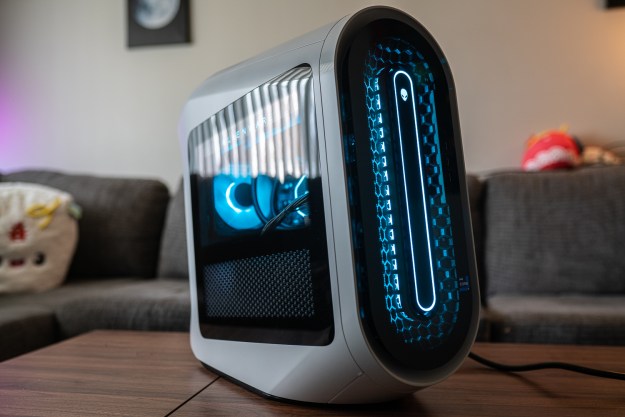
For some TiVo users, the ability to turn a garden variety PC into a full capable TiVo DVR will have tremendous appeal: after all, it’s a great way to repurpose a PC that might otherwise lay idle, and it’s easy to expand storage on a typical PC—and many also have DVD burners for easy archiving of recordings. However, few people will really want to park a full-fledged PC in their living rooms to watch TV: TiVo settop boxes are quieter and purpose-built.

Geoff Duncan
Former Contributor
Geoff Duncan writes, programs, edits, plays music, and delights in making software misbehave. He's probably the only member…
My Mac never tells me where my internet goes, so I found an app that does
Computer, Electronics, Laptop

I’ve been using a Mac for a long time, and over the years, I’ve gotten pretty good at figuring out what’s going wrong when something feels off. Most of the time, I start in the Settings app. I poke around, change a few things, and usually find whatever is causing the problem. Storage is a good example. I recently noticed my Mac slowing down, opened the Storage section, and immediately got a clear breakdown of what was taking up space. One cleanup later, I had freed up some much-needed storage, and everything felt normal again. I’ve done something similar when trying to figure out battery drain or unusually high CPU usage. macOS gives you plenty of places to look when you know something isn’t quite right.

There’s one thing it doesn’t make nearly as obvious, though: where all your internet data is actually going. I only started thinking about this because my internet had been acting strangely for the past few days. Things felt slower than usual, and I couldn’t figure out why. My connection seemed fine, and I wasn’t downloading anything massive, so what was eating up all that bandwidth? Turns out, quite a few apps on my Mac were using the internet in the background, and I had no idea. I probably wouldn’t have figured that out either if I hadn’t come across a Mac app that showed me exactly what was happening behind the scenes. And that’s where things got interesting.

Read more
Researchers expose a worryingly simple trick to make AI bots go rogue and skip safety
average-users-break-past-ai-safety-gemini-chatgpt

If you ask an AI agent to hack an account, it will most certainly refuse, but researchers at EPFL just proved there is an easier way in, and it involves patience rather than technical skill. Their new study shows that breaking a harmful goal into small, harmless-sounding requests can trick AI agents into completing tasks they would normally reject outright (via TechXplore).

It echoes the recent 'Bioshocking' exploit in which AI browsers were manipulated into treating credential theft as part of a harmless game.

Read more
[Update] Googlebook finally gets a launch date, and it’s sooner than you would expect
Googlebook gets a September 15 showcase with Gemini, Android and new laptops
GoogleBook Featured Image Official

Update: Google clarified information surrounding the event. Here is the statement: "Nothing will be announced on September 15; that is just the date of the embargoed event."

The original story is as follows.

Read more