  1. Home
  2. Computing
  3. Gaming
  4. Legacy Archives

Sony Sued for Removing Linux Support from PS3

Add as a preferred source on Google
Image used with permission by copyright holder

When Sony launched its firmware 3.21 update for its PlayStation 3 consoles, the company removed the “Install Other OS” option from the console, preventing enthusiasts from powering up their Cell-powered consoles using Linux. Now, Anthony Ventura as filed a lawsuit against Sony over the removal, claiming that removing the feature “is not only a breach of the sales contract between Sony and its customers and a breach of the covenant of good faith and fair dealing, but it is also an unfair and deceptive business practice perpetrated on millions of unsuspecting consumers.” the suit is seeking class action status on behalf of other PlayStation 3 customer impacted by the firmware upgrade; although the suit doesn’t seek a specific damages figure, it does assert that damages from Sony’s action tally up to more than $5 million.

Sony has taken the position that if users don’t want to lose the “Install Other OS” option on their PlayStation 3 consoles, they just don’t have to install the update: it’s voluntary. However, without the v3.21 firmware update customers also lose the ability to connect to Sony’s PlayStation Network or play online games, or play game titles or Blu-ray movies that require the firmware update. Without the v3.21 firmware update customers also can’t play media from a local media server or install any future updates from Sony.

Recommended Videos

Although many PlayStation 3 owners never paused to wonder what the “Install Other OS” option might be and certainly never miss it, Ventura’s suit highlights several instances where Sony touted the feature as a distinguishing characteristic of the console, and even promised to continue supporting it in future firmware releases. Sony did remove the option from the revamped PS3 Slim; however, even at the time the company pledged continued support for the feature on existing hardware.

Sony’s only statement on removing the “Install Other OS” option was that the feature was removed due to unspecified “security concerns.” Ventura’s lawsuit asserts Sony’s concerns were centered on piracy, not any direct threat to PS3 users.

Geoff Duncan
Former Contributor
Geoff Duncan writes, programs, edits, plays music, and delights in making software misbehave. He's probably the only member…
Google’s new Magic Pointer Play Store listing reveals a Gemini shortcut built for Googlebooks
The unannounced app turns the cursor into a contextual AI tool for search, image creation, and shopping
Plant, Text, Business Card

Google has quietly published a new Play Store listing for Magic Pointer, an unannounced app built for Googlebooks. Updated on July 10, the app turns the cursor into a Gemini shortcut that can act on whatever a user selects on screen.

Magic Pointer can send an image to Lens, generate a related image, or surface a shopping action without forcing users to open a separate chatbot. Regular Android devices currently show as incompatible, so the listing offers an early preview rather than a broad release.

Read more
You can stop using AI, but this new report says you probably can’t escape it
A UK survey found that most people feel AI exposure is unavoidable, raising harder questions about consent, privacy, and whether opting out is still realistic
AI Chatbots

More people are trying to use less AI, but avoiding it altogether may already be impossible.

A survey of 2,055 UK adults found that 42% deliberately limit how much AI they use. Another 70% said avoiding AI exposure would be difficult or impossible, even when they actively wanted less of it.

Read more
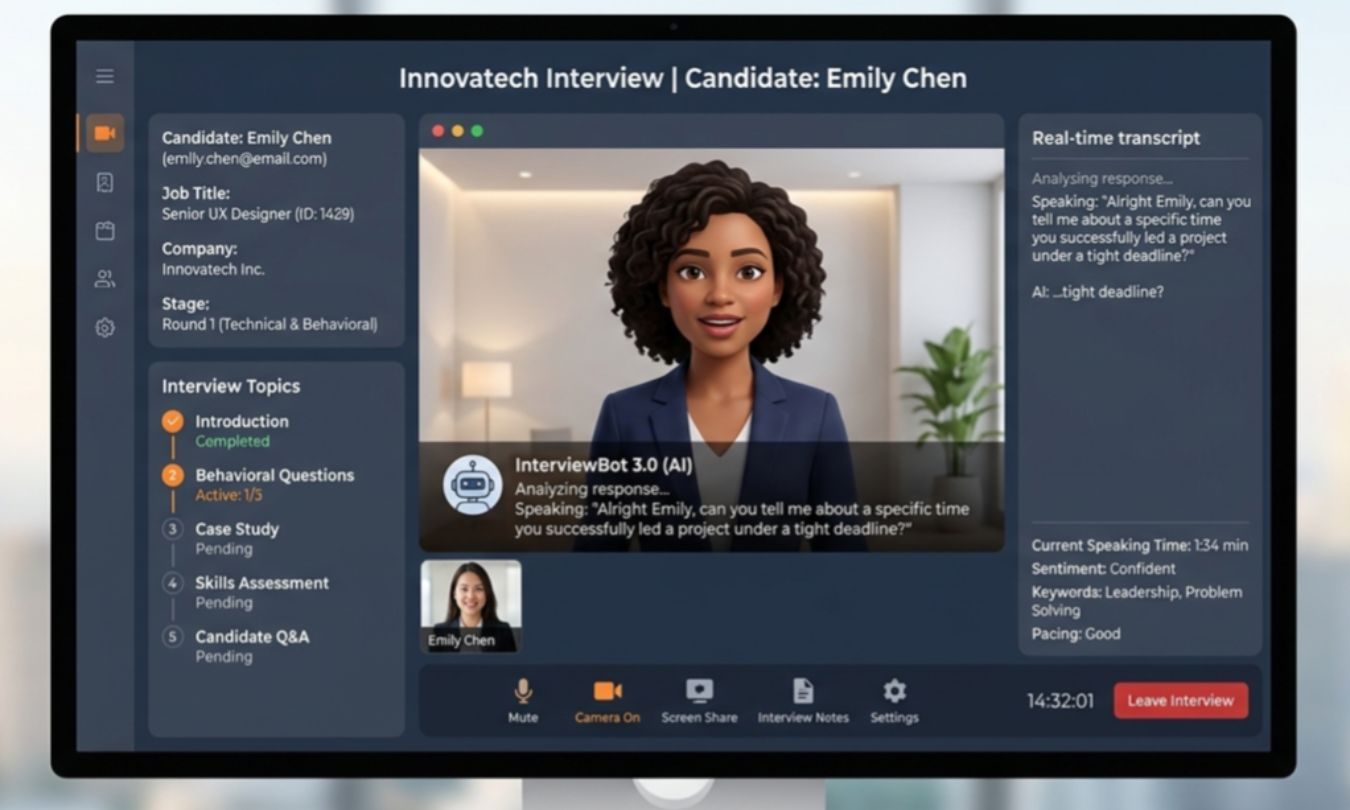
The face on an AI interviewer may matter as much as the decision it makes
Researchers found that race and gender matching changed how fairly rejected applicants viewed an automated interview, even though everyone received the same outcome
File, Computer Hardware, Electronics

An AI hiring system can treat every applicant the same and still leave some people feeling targeted. Researchers found that rejected candidates judged an automated interview differently depending on the race and gender of the avatar delivering the result.

Around 220 participants completed a simulated interview for a fictional customer support role with one of four photorealistic AI avatars. Everyone was rejected, yet perceptions of fairness shifted with the interviewer’s appearance. An algorithm audit could miss that reaction because candidates don’t experience the system as raw code. They experience a face asking questions and judging their answers.

Read more