  1. Home
  2. Computing
  3. Legacy Archives

Thalmic Labs’ gesture control MYO armband raises $14.5M, comes closer to fruition

Add as a preferred source on Google
thalmic labs myo gesture control interview header
Image used with permission by copyright holder

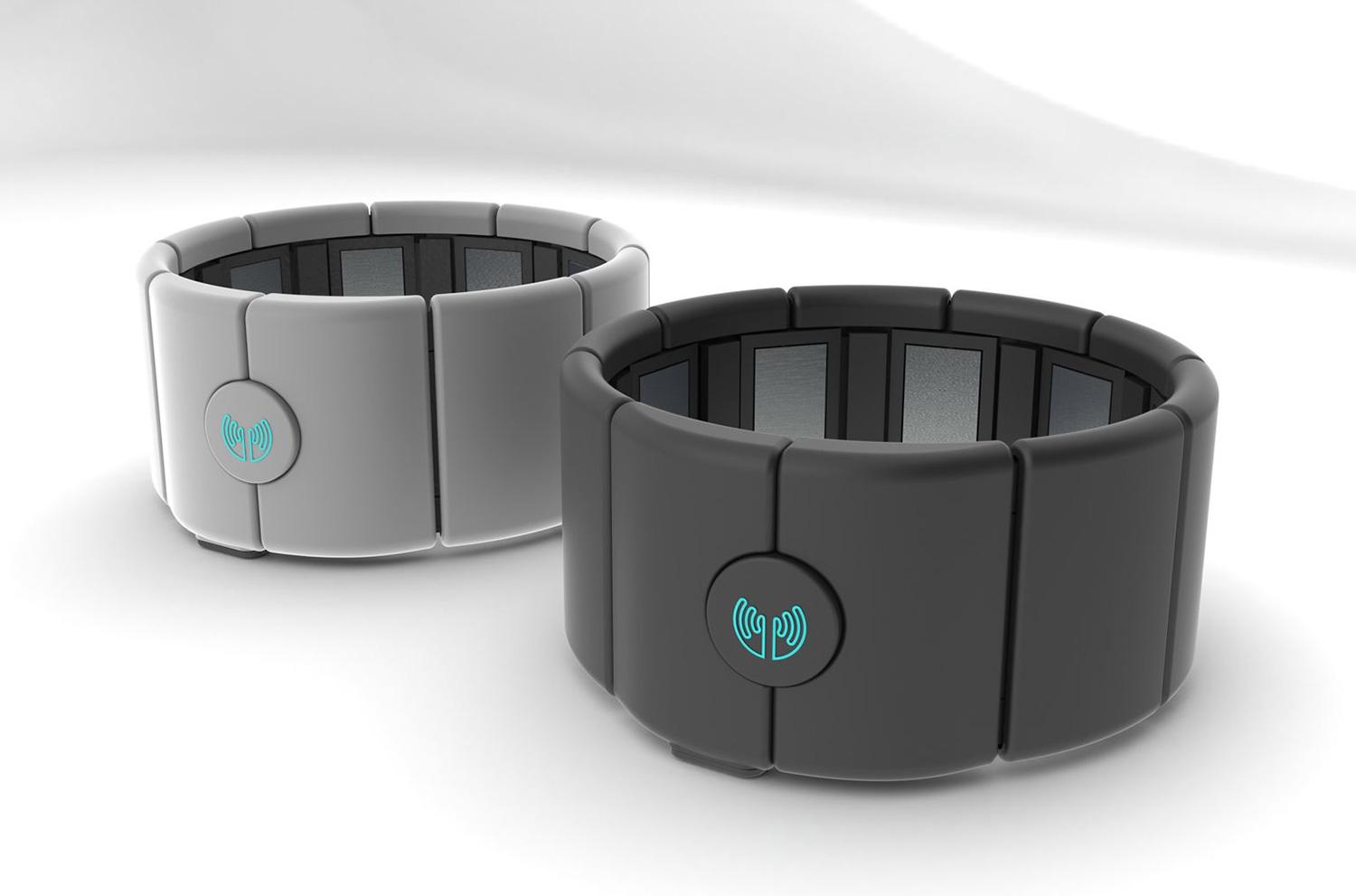
Hey recent college graduates, what are you doing this summer? If you’re the enterprising sort, you’ll start a company after graduation like the trio from the University of Waterloo and secure $14.5 million of funding in a year. You’ll be hard pressed to come up with something as unique as the MYO armband, though. Created by the newly formed Thalmic Labs, the MYO armband reads electromyography signals from your forearm and uses it to control your computer via Bluetooth connection. It’s gesture control with a more exacting, scientific twist. 

Started by three 2012 graduates of the mechatronics engineering program at the University of Waterloo in Ontario, Canada, Thalmic Labs eschewed the Kickstarter route for a slightly more traditional model of taking pre-orders and securing funding from venture capitalists. This past week, they closed their first round of funding, which netted them $14.5 million to be used towards hiring, doing more research and development, and producing the product.

Recommended Videos

Like the Leap Motion controller, the MYO relies on a user’s hand and arm gestures to control their computer, such as scrolling through a webpage or shooting an enemy in a video game. The difference is in how the action is executed. The Leap Motion controller, like Xbox Kinnect, uses a camera to detect a user’s movements, while the MYO detects fine motor movements. If it sounds like this is technology that can free you from sitting in front of a computer, it is. Thalmic Labs is planning on releasing an API for Android and iOS developers this summer to spur new uses for the technology.

According to TechCrunch, there are over 30,000 pre-orders for the $150 MYO armband (5,000 more than we spoke to Thalmic Labs back in April) with orders still coming in. In our interview with co-founder Aaron Grant, he noted that over 60 percent of their pre-orders were coming from outside the U.S., suggesting that there is a large worldwide interest in finely-tuned gesture control.

While the MYO isn’t scheduled to start shipping until later this year, you can check the armband in action in the video below.

Meghan McDonough
Former Contributor
Meghan J. McDonough is a Chicago-based purveyor of consumer technology and music. She previously wrote for LAPTOP Magazine…
The maker of ChatGPT wants to make open-source projects less of a security bargain
OpenAI launches Patch the Planet for open-source security, with over 30 open-source projects on board.
openai-chatgpt-os

OpenAI has launched Patch the Planet, a new initiative aimed at fixing one of the internet's quietest problems – the chronically underfunded security of open-source software.

Patch the Planet pairs OpenAI's most security-capable AI models with Trail of Bits, a security firm that has committed its entire research organization to the effort, alongside support from HackerOne and Calif.

Read more
I sifted through the Prime Day chaos to find the best Apple deals actually worth buying
Apple's about to hike prices. Prime Day 2026 is your last chance to save up to $150 on MacBooks, AirPods, and iPads.
Prime Day Deals on Apple Products

Apple is set to increase the prices for its upcoming iPhones and MacBooks, as the company can no longer offset the rising RAM and storage costs. That means, if you are looking to upgrade your aging device, you should buy the current-generation Apple products rather than wait for the new ones.

And since Amazon Prime Day is offering good discounts on the latest iPhones, iPads, MacBooks, and other Apple accessories, this is the perfect time to buy them. Here are my favorite Amazon Prime Day deals for Apple products. 

Read more
This sneaky photo trick gets AI chatbots to ignore their safety rules
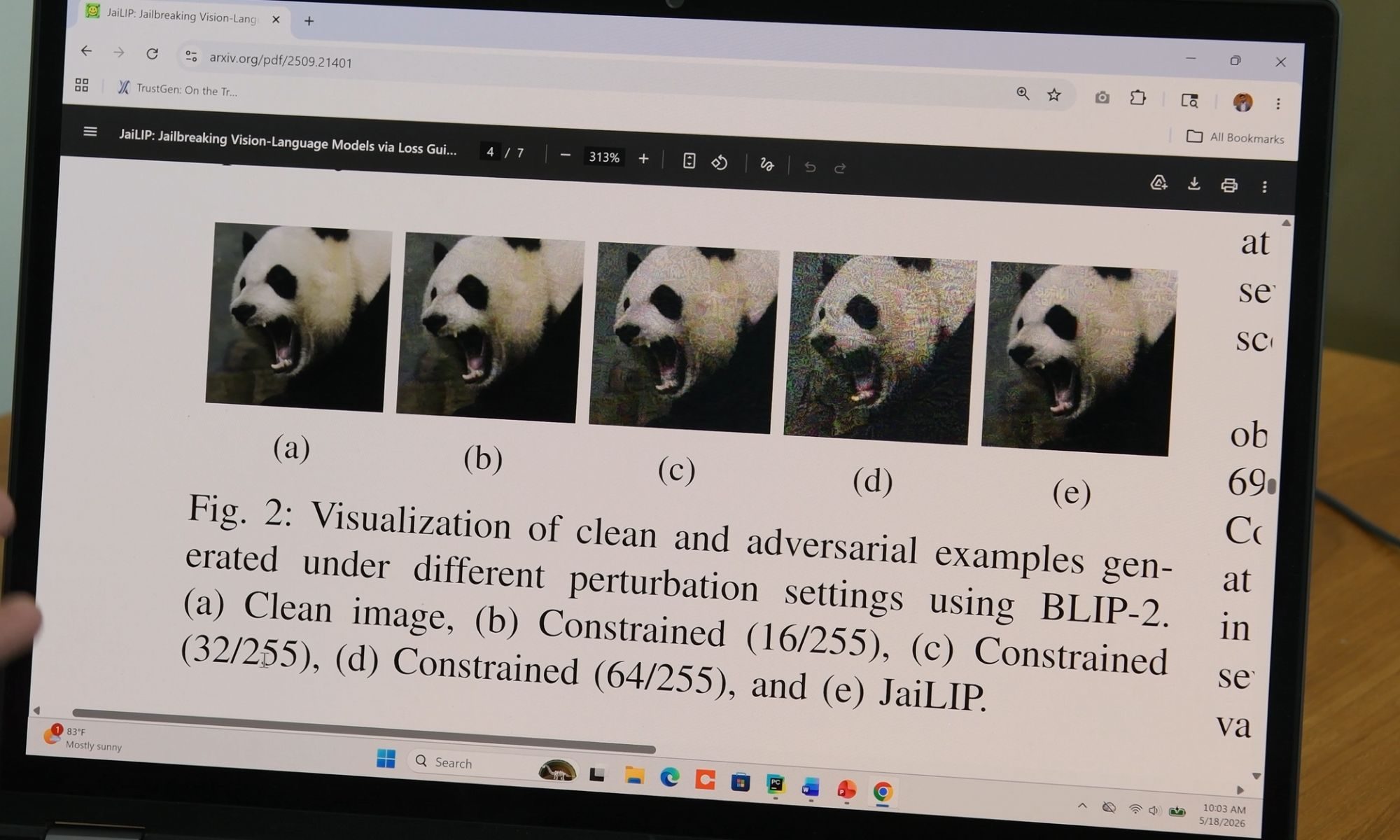
Florida International University researchers built a method that nearly doubled the rate of harmful responses from a tested AI model using nothing but pixel-level edits in an image.
JaiLIP AI chatbot exploit image

A photo that looks completely ordinary to you could carry a hidden instruction to trick an AI chatbot into ignoring its safety rules, according to new research out of Florida International University. The study found that pixel-level alterations in an image that are invisible to the human eye can be enough to confuse the model reading the image and lead it to generate responses it would normally block.

Hacking what the AI sees

Read more