1. Home
  2. Computing
  3. Phones
  4. News

The memory crisis isn’t going to ease, and you will pay the price for it, says a research firm

Forty to 50% higher this quarter, 30 to 40% more next quarter, and no real relief until 2028. Plan accordingly.

Add as a preferred source on Google
RAM memory chips
Sergei Starostin / Pexels

If you were hoping the memory crisis was about to ease up, I have some bad news for you. It comes directly from Wall Street.

Your next smartphone, laptop, or tablet could cost even more, regardless of whether it has recently been subject to a price hike.

So how bad is it actually going to get?

Investment bank Jefferies has laid out the clearest and ugliest forecast yet. 

Recommended Videos

Memory prices are expected to jump by 40-50% in the third quarter of 2026 compared with the current quarter. While it would have been great if they had stopped there, prices could rise by another 30-40% in the fourth quarter of the year. 

For all of 2027, Jefferies projects a 40-45% year-on-year increase. Based on those sequential estimates, we’re looking at a compounded price increase of roughly 150-205% between today and the end of 2027. If I were in the market for a new smartphone or laptop, I’d be worried.

The only real relief comes in 2028, when roughly 15-20% of new manufacturing capacity is expected to come online. Even then, demand for AI and computing will continue to grow simultaneously. In other words, the new supply may not stretch as far (via Wccftech).
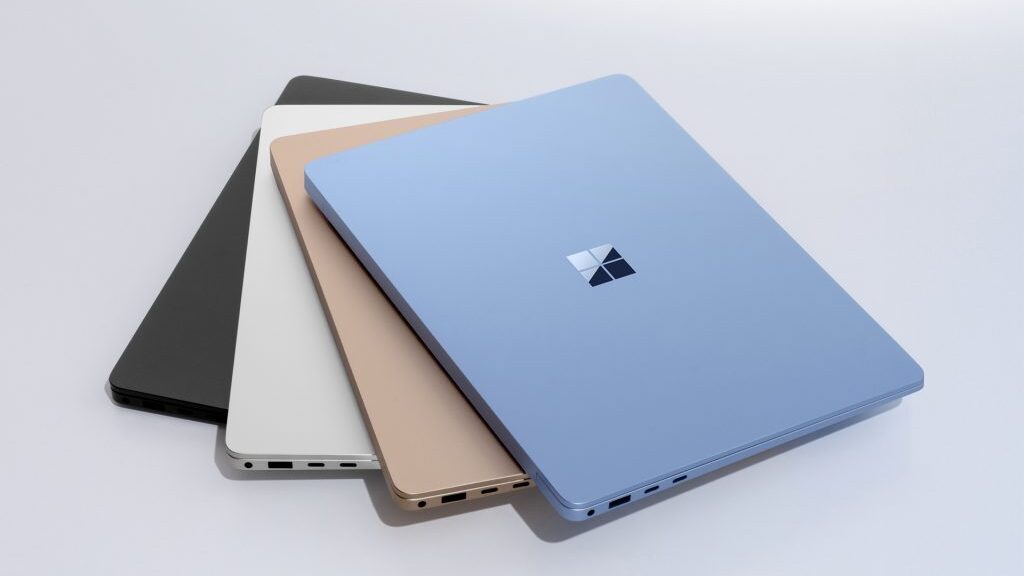
What does this mean for the price of your next phone or laptop?

Research firm Gartner had separately predicted that combined DRAM and SSD prices could surge 130% by the end of 2026, pushing average PC prices up 17% and smartphone prices up 13% compared to 2025 levels. 

That 13%, when you do the math, on a $1,000 phone, amounts to an additional $130 on your bill. Gartner also warned that the entry-level PC segment, devices costing less than $500, could effectively disappear by 2028, simply because companies might not be able to recoup their component costs, let alone earn a healthy margin.

Making things worse, 50% of total memory capacity is already locked into long-term contracts with major tech firms, a figure that could increase even further to 70%, leaving even less supply for consumer devices (via CNBC). 

Shikhar Mehrotra
For more than five years, Shikhar has consistently simplified developments in the field of consumer tech and presented them…
Apple’s M6 chip isn’t even here yet, but you’ll see M7 Macs early in 2027
Apple is reportedly already accelerating its next-generation silicon roadmap, even before the M6 has launched.
Apple MacBook

The M6 chip is still expected to debut later this year, but Apple may already be preparing for what comes next. According to Mark Gurman's latest report for Bloomberg, the company is aiming to introduce its first M7-powered devices as early as the first half of 2027, hinting at a much faster silicon refresh than many expected.

M7 could arrive alongside new Macs and iPads

Read more
The entry-level MacBook Pro could get a design refresh in 2027, and it’s about time
Five years on the same chassis, and now both tiers of the MacBook Pro are getting a new look at once.
MacBook Pro in space grey sitting on a desk.

Apple has a new MacBook Pro lined up for launch early next year, according to Bloomberg. The company will introduce a 14-inch laptop in the first half of 2027. 

The biggest surprise, however, will be a brand-new design language. The outlet describes it as "a revamped entry-level MacBook Pro, code-named K104."

Read more
Study finds humans will talk to AI ghosts of the dead as reincarnations, and it’s pretty grim
The first AI ghost study is in. The results are about as complicated as you'd expect.
VR Headset, Person, Face

A new study from the University of Colorado Boulder confirms something that sounds both impressive and concerning. People find interacting with AI simulations of their dead loved ones deeply meaningful, and most will come away wanting to do it again.

The researchers call it a "generative ghost," which is a clear reference to generative AI, but I’d still prefer to call it unsettling.

Read more