1. Home
  2. Smart Home
  3. Legacy Archives

FCC Tentatively Approves Sirius/XM Merger?

Add as a preferred source on Google
FCC Tentatively Approves Sirius/XM Merger?
Image used with permission by copyright holder

According to reports in The Wall Street Journal and elsewhere, the Federal Communications Commission has reached a tentative agreement to approve the merger between satellite radio operators Sirius and XM. Although terms of a deal have not been disclosed, reports have XM paying over $17 million (and Sirius another $2 million) to settle complaints about tower locations and exceeding transmission power limits for ground-based repeaters.

Initially announced way back in February 2007, the merger has been slowly wending its way through regulatory approval processes. On the face of the deal, it would seem to be hard to approve a deal that takes a market from two competing businesses down to one sole operator, but Sirius and XM have long argued their competition isn’t each other, it’s the Internet and other mobile entertainment and information services that are increasingly clamoring for consumers’ attention.

Recommended Videos

The FCC was considered likely to approve the merger once the Department of Justice granted its antitrust approval in March 2008; however, the agency was considered likely to attach additional terms to the deal. Reports have the combined company setting aside a small portion of its broadcast spectrum for educational and minority broadcasters and a pricing freeze for current customers. However, it appears the FCC will not mandate that the combined company integrated receivers into its radios that would enable listeners to pick up digital transmissions from local radio stations.

If the merger is approved soon, it would enable the combined company to launch a significant end-of-year holiday marketing push, in which it is expected to introduce new players that let customers choose between a fixed number of stations from either service in an a la carte manner; however, the combined company is also expected to drop a number of redundant programming offerings.

Both XM and Sirius have been taken to task by the FCC for hundreds of repeaters and terrestrial transmitters that have operated (or continue to operate) in violation of agency regulations. The review process has uncovered a number of transmitters operating in excess of allowed transmission power, and towers at locations differing from those reported to the FCC.

Geoff Duncan
Former Contributor
Geoff Duncan writes, programs, edits, plays music, and delights in making software misbehave. He's probably the only member…
Remember Samsung’s Ballie home robot? It may finally be inching closer to reality
Leaked app wireframes give the strongest hint yet that Samsung's Ballie home robot, first shown at CES 2020, might still be headed toward an actual release.
Samsung Ballie robot in a room next to a dog feeder.

Samsung's rolling home robot has been the industry's longest-running "will it ever actually ship" joke, and I'll admit I'd mostly given up on it. Now, there's finally a glimmer of hope.

Samsung first unveiled Ballie as a concept at CES 2020. Then, it showed it as a significantly upgraded version four years later. However, the company never confirmed a release date or committed to releasing it at all. 

Read more
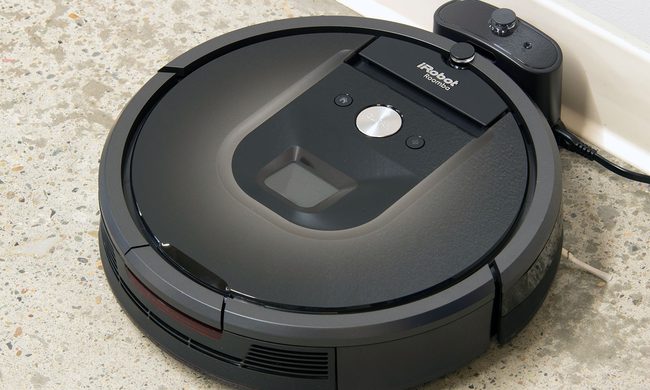
The US foreign-made robot crackdown is coming for future Roombas too
Future Roombas face new US sales hurdles, but existing models are unaffected
Roomba 980

The FCC has already made it much harder for foreign drone makers such as DJI to bring new products into the US. Now, the same crackdown is reaching a machine far more likely to be moving around your living room.

The US government recently added foreign-made advanced robotic devices to the FCC’s Covered List. The announcement appeared focused on humanoids, robot dogs, and industrial machines, but an FCC spokesperson has confirmed to The Verge that robot vacuum cleaners are covered too.

Read more
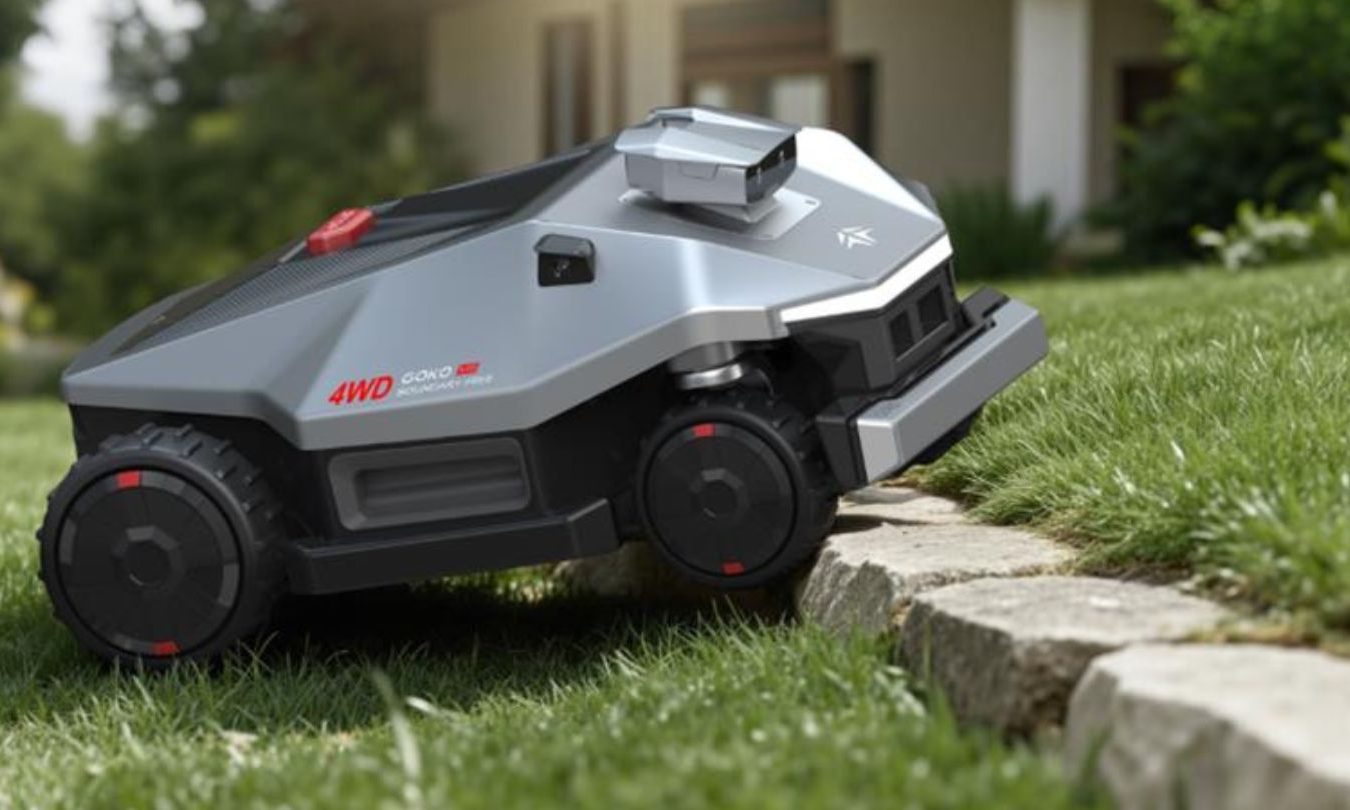
The GOKO M6 Robotic Lawn Mower Brings Industrial Robotics to Modern Lawn Care
7 reasons this AI-driven powerhouse makes hands-free yard work smarter than ever
Grass, Lawn, Plant

Robotic lawn mowers can save homeowners hours of manual yard work, but not every model is designed for challenging properties. While many perform well on flat lawns, larger yards with uneven terrain, steep slopes, and multiple mowing zones require a mower built for more demanding conditions.

Developed by GOKO, the consumer robotics brand of Robot++, the GOKO M6 is an industrial-grade 4WD AI-powered robotic lawn mower that brings more than a decade of industrial robotics expertise to residential lawn care. It combines AI-powered four-wheel drive, advanced navigation technologies, and AI QuadVision obstacle detection to tackle complex landscapes with less manual intervention.

Read more