  1. Home
  2. Mobile
  3. Legacy Archives

Global Handheld Device Market Shrinking

Add as a preferred source on Google

Although more than two million handheld digital devices were sold over the 2005 holiday season, research firm IDC reports that the beginning of 2006 saw the ninth consecutive decline in handheld device sales worldwide.

For IDC, “handheld devices” doesn’t include smartphones: instead, the term refers to PIMs and pocket-sized devices (either pen- or keypad-based) which are used to run applications, access data, view multimedia, and play games. The devices can can be synched with computers and may include wireless Internet capabilities. IDC counts only branded unit, and discounts all OEM sales from manufacturers.

Recommended Videos

“After nine consecutive quarters of year-over-year decline, many are wondering how long this trend will continue, and whether the market will see a reverse,” says Ramon Llamas, research analyst with IDC’s Mobile Markets team. “IDC believes that the market will eventually hit a size where the rate of year-over-year decline will slow to a sustainable level. That size has yet to be determined, but will be sustained by the core users of handheld devices as well as the enhancements found on these devices.”

While, handheld device makers are increasingly integrating new features like BlueTooth, WiFi, GPS, and expandable storage, the market continues to be overshadowed by smartphones which integrate similar features and also offer telephony services.

Palm remains the overall leader in the handheld market, although it shipped 23.3 percent fewer units than it did a year ago, although its Treo smartphones surpassed the combined shipments of its handheld device lines. HP and Dell took the number two and three slots, although they also saw unit shipments decline more than 30 percent; Acer came in fourth, seeing a decline of just under 11 percent, and upstart Mio actually saw an substantial 84.4 percent year-to-year increase in sales, primarily in European and Asian markets.

Geoff Duncan
Former Contributor
Geoff Duncan writes, programs, edits, plays music, and delights in making software misbehave. He's probably the only member…
The best note-taking apps for iOS and Android
I tested these apps for months so your notes never have to switch homes again.
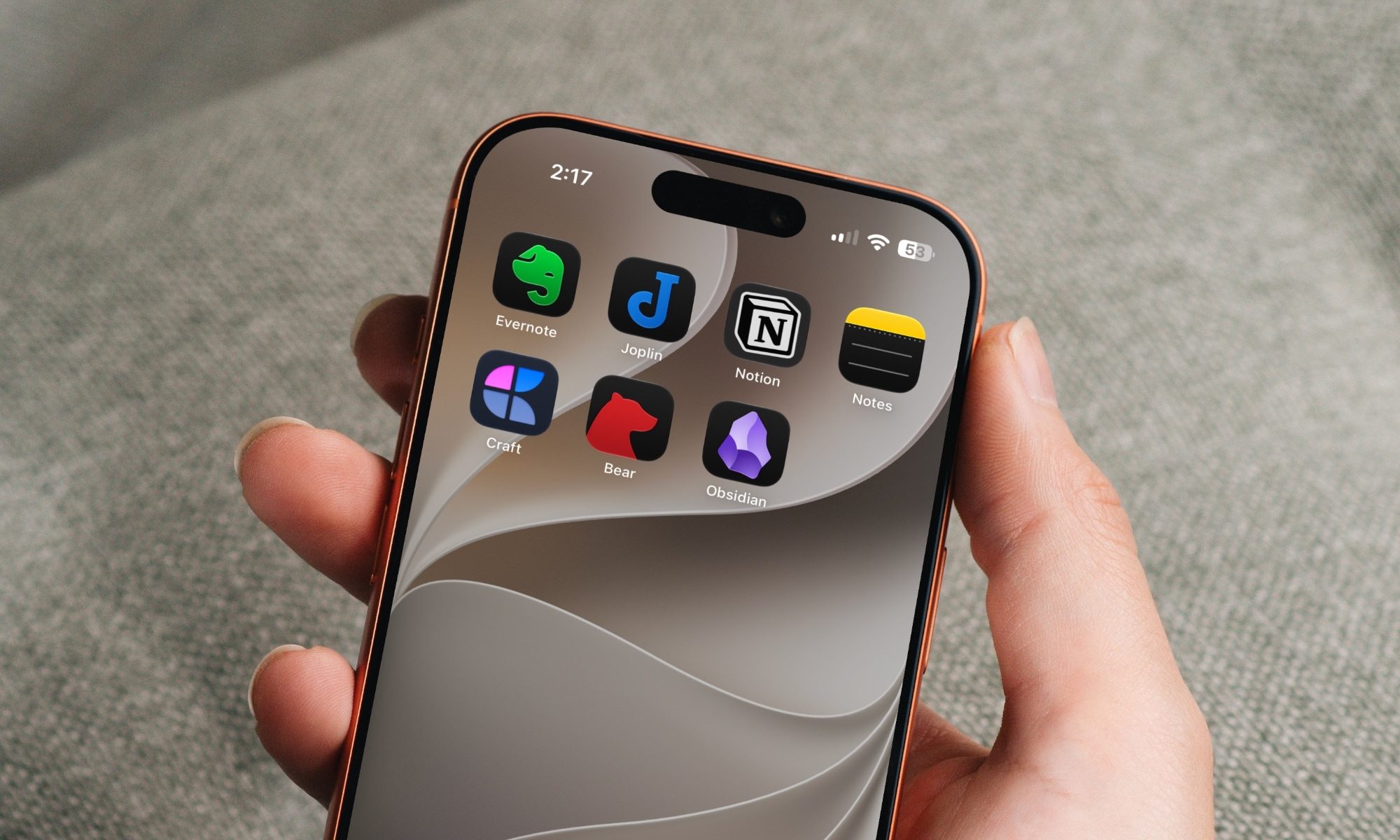
iPhone showing note-taking apps

Choosing a note-taking app is not easy. What note-taking app you choose depends on your needs, the platform you use, and of course, the cost. The process becomes even more complicated as it seems that there’s a new shiny app released every other week. 

That’s why I always suggest choosing a note-taking app that has all the features you need and can last you for a long time. Also, don’t chase new apps. The real power of a note-taking app comes when all your notes live in one place, making it easy to spot connections between them.

Read more
The best phones in 2026: our 14 favorite smartphones right now
We tested phones across all price brackets so that you can make the best pick based on your needs and budget.
Google Pixel 10 Pro Fold vs Galaxy Z Fold 7 cameras

Choosing the right smartphone in 2026 is no easy task. Apple and Android manufacturers now have strong options at almost every price, while better cameras, longer battery life, improved software support, new AI features, and more refined foldable designs have made the market more competitive than ever. But picking one is not easy, especially if your budget is tight, or you are just legitimately concerned about getting the best value for your money and need a reliable daily driver for long-term usage.

We have tested and compared the leading smartphones available today, looking beyond the spec sheet to see how they actually perform in daily use. Camera quality, battery life, performance, display quality, software, design, and long-term value all play a part in our recommendations. Whether you are looking for a powerful flagship, a dependable budget phone, a compact device, or a foldable, this guide should help narrow down your choices.

Read more
Snapchat Planets Meaning: Order, Rankings, and How Friend Solar System Works
Snapchat Planets turns your best friends list into a solar system, and yes, your orbit says a lot
Snapchat Planets being shown on the Snapchat app on iPhone.

Snapchat+ includes several exclusive features, but few have generated as much curiosity as Snapchat Planets. Part of the app's Friend Solar System, it transforms your Best Friends list into a planetary ranking, assigning each of your top eight friends a planet based on how often you interact.

From Mercury, which represents your closest friend, to Neptune, which represents your eighth closest, the system offers a quick visual snapshot of your interactions. But what do the different planets actually mean, and how does Snapchat decide who gets which one?

Read more