1. Home
  2. Computing
  3. Mobile
  4. Legacy Archives

Intel forms new mobile unit to focus on phones, tablets

Add as a preferred source on Google
Intel Atom Z6xx (front and back)
Image used with permission by copyright holder

Chips from Intel Corporation may power the majority of desktop and notebook computers, but despite substantial investment and lots of big talk, the company is essentially a non-entity in the world of mobile phones and tablet computing, where devices powered by power-sipping chips based on designs from ARM rule the industry. Now, Intel is going to try—again—to get its foot in the mobile industry, announcing a new Mobile and Communications Group headed up by current executives who came to the company with experience from Infineon and Apple.

As reported by Fortune, the new unit will be formed by reorganizing four of Intel’s existing divisions: mobile communications, netbook and tablet, mobile wireless, and ultra mobility. The reorg is designed to increase Intel’s operational and design efficiency, as well as enable clearly communication between the groups, which often have overlapping goals. However, it’s not clear whether streamlining its mobile organization will be enough to make Intel competitive in the mobile arena, where ARM-based designs are already well-established, and (starting next year) will be supported by Windows 8 Metro.

Recommended Videos

The new Mobile and Communications Unit will be headed by Hermann Eul and Michael Bell. Eul came to Intel from Infineon, where he was a member of the company’s wireless technologies board—Intel high-profile announcements about shoehorning itself into the smartphone business, then failed to deliver, in part as relationships with the likes of Nokia have faltered. Intel has also lost high-profile executives like Anand Chadrasekher and Eric Kim, who were responsible (respectively) for Intel’s smartphone push and efforts to get Atom processors into consumer electronics devices.

Geoff Duncan
Former Contributor
Geoff Duncan writes, programs, edits, plays music, and delights in making software misbehave. He's probably the only member…
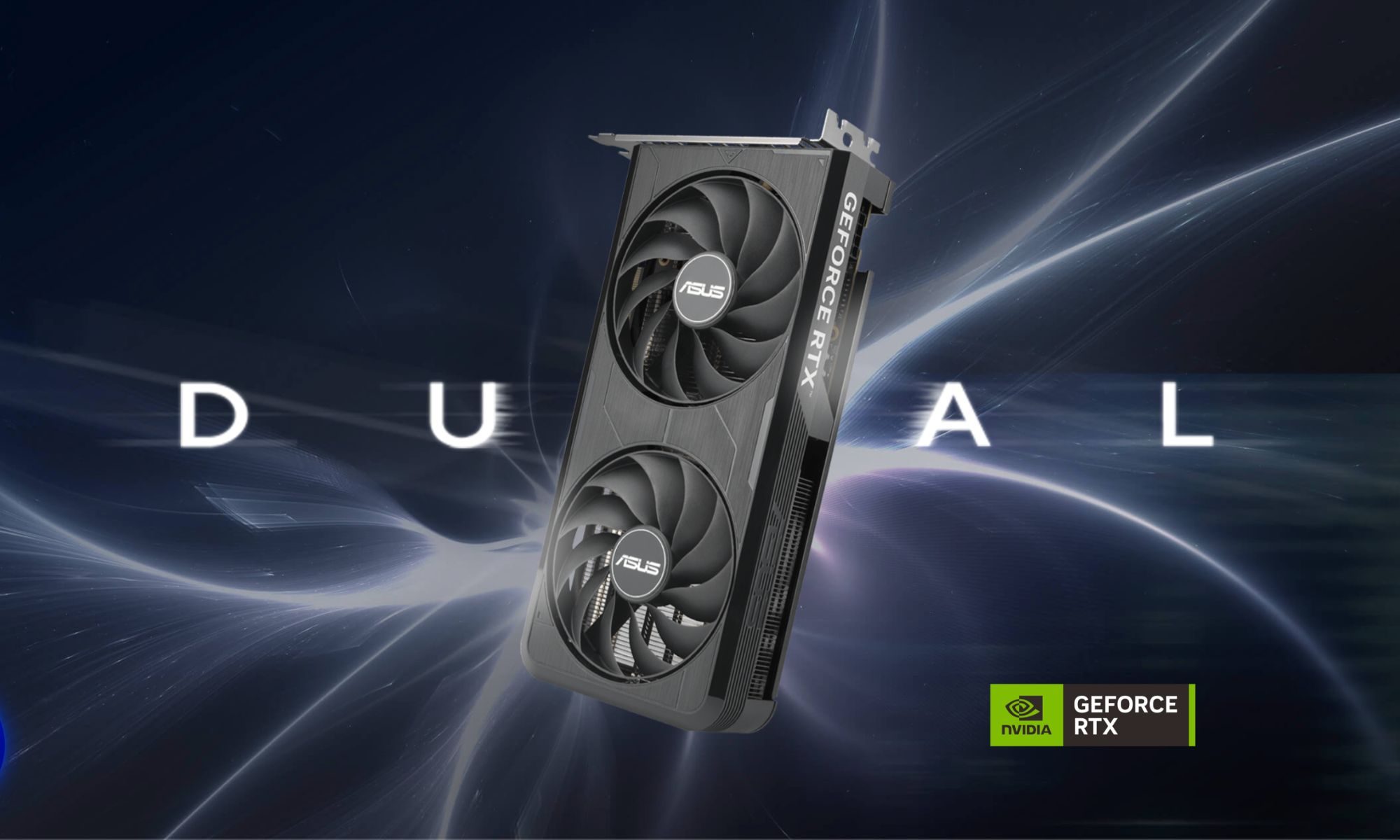
Asus and Gigabyte just made your next RTX 50 GPU even more expensive
One canceled order shows exactly how brutal the current market has become for buyers.
asus-nvidia-GeForce-RTX-5060-evo

After weeks of rumors around another round of hikes, Asus and Gigabyte have pulled the plug. They’ve made the impending price hike official, increasing prices across their entire RTX 50 lineup, and even AMD's Radeon RX 9000 cards. 

It’s worth mentioning that both companies already raised prices in January, blaming the ongoing DRAM and NAND memory shortage and surging costs. From what it looks like, things have only gotten worse since. 

Read more
Huawei made an utterly sleek laptop that’s 35% lighter than MacBook Air. Too bad you don’t need it.
The MateBook Pro S weighs less than 800 grams but runs HarmonyOS instead of Windows
Pen, Notebook, Computer

Huawei has made one of the most tempting ultralight laptops most people will probably never consider buying. The new MateBook Pro S weighs just 798 grams in its lightest configuration, making it around 35% lighter than the 13-inch MacBook Air. It is slightly thicker at 11.9mm, but Huawei still managed to fit a larger display and a 54Wh battery inside its magnesium-alloy chassis.

Its color options are pure eye candy, too. The soft pastel finishes immediately reminded me of the MacBook Neo and give the laptop far more personality than the usual sea of silver, gray, and black ultrabooks.

Read more
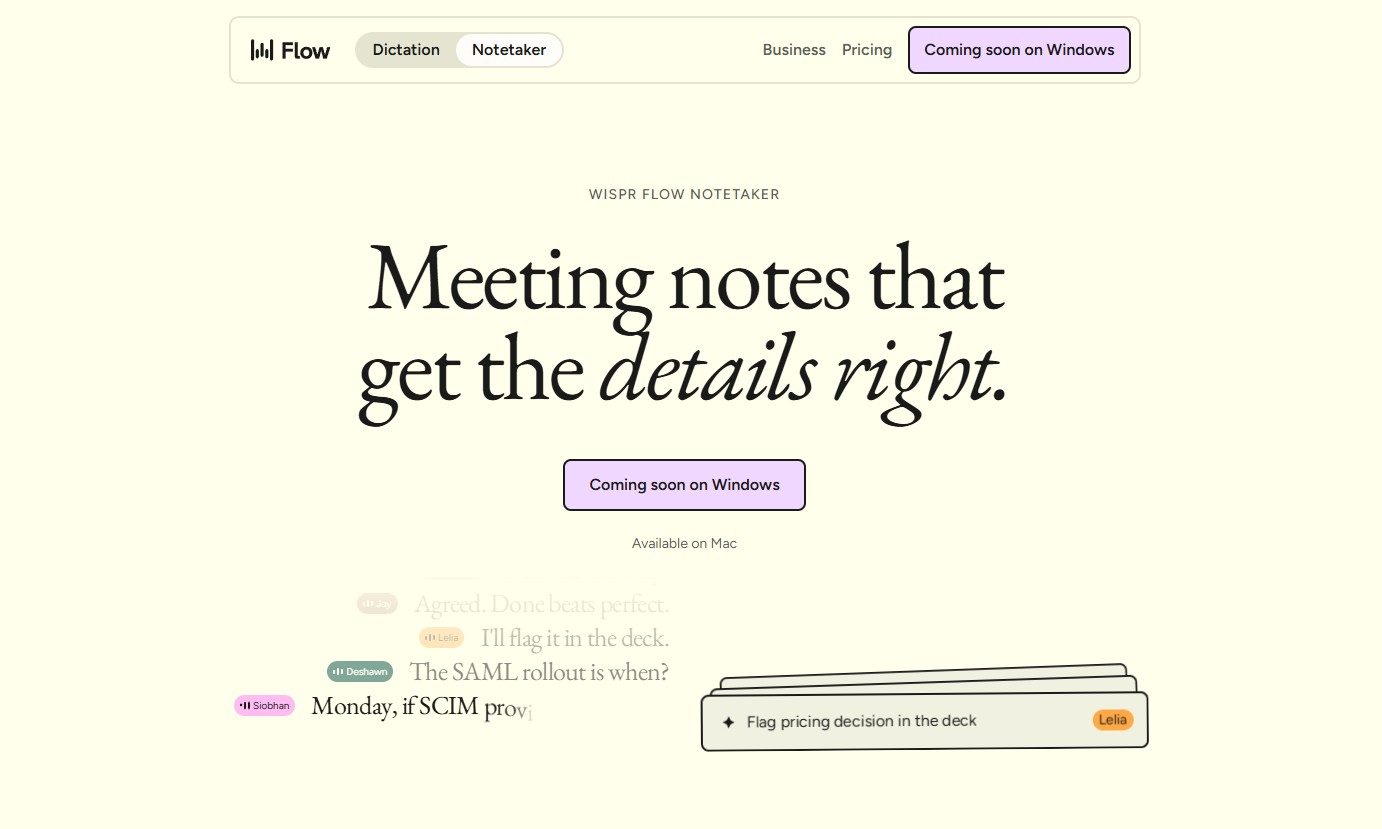
Wispr Flow launches an AI note-taker that works without joining calls
The new Wispr Flow tool called Notetaker creates live transcripts, summaries, and follow-up notes
Page, Text

Wispr Flow has launched Notetaker, an AI meeting assistant built into its existing Mac app. It can record conversations, show a live transcript, and prepare notes covering decisions, deadlines, assigned work, and unresolved issues.

Wispr Flow is best known for its dictation tool, which turns spoken thoughts into edited text wherever the user is working. Notetaker takes the company beyond voice typing and applies its transcription technology to meetings, interviews, and in-person conversations.

Read more