  1. Home
  2. Mobile
  3. Legacy Archives

Toshiba shows 367ppi mobile display

Add as a preferred source on Google
Toshiba flat panel display
Image used with permission by copyright holder

Normally trade shows offering a glimpse of forthcoming display technologies can be a little dull, but the Society for Information Display (SID) 2011 display week has offered up some interesting tidbits: yesterday it was E Ink and Epson announcing 300 dpi E Ink displays, and today Toshiba has come swinging out of the gate with a new mobile display offering a higher resolution than the iPhone 4’s famous “retina display.” Toshiba’s new LTPS (low-temperature polycrystalline silicon) displays can offer up to 367 pixels-per-inch in sizes from 3.3 to 4 inches, meaning the display are sized for a phone phone and can handle resolutions from WVGA (480 by 864 pixels) to HD (720 by 1,280 pixels).

Toshiba’s new display out-does the Apple iPhone 4’s existing high-resolution display, which wowed the mobile world last year by introducing a 326ppi resolution. Dubbed a “retina display” by Apple, the high-resolution displays are designed to offer individual pixels too small for normal human vision to make out under most circumstances, resulting in an image that appears sharp and life-like rather than the vaguely blocky-and-chunky look of most digital displays.

Recommended Videos

Toshiba’s increased resolution may not offer much apparent improvement over Apple’s existing retina display—vision researchers generally agree most people can’t discern differences in resolution over about 300ppi—but the rest of the specs on Toshiba’s new offering also give it a leg up: it offers a contrast ratio of up to 1,000:1 (compared to 800:1 on the iPhone 4 display), covers 92 percent of the NTSC color spectrum, and has horizontal and vertical viewing angles of 176 degrees.

There’s no word on when Toshiba’s high-res display may make it into consumer products, but we expect the answer is something like “as soon as manufacturers can get them in quantity.”

Geoff Duncan
Former Contributor
Geoff Duncan writes, programs, edits, plays music, and delights in making software misbehave. He's probably the only member…
The best note-taking apps for iOS and Android
I tested these apps for months so your notes never have to switch homes again.
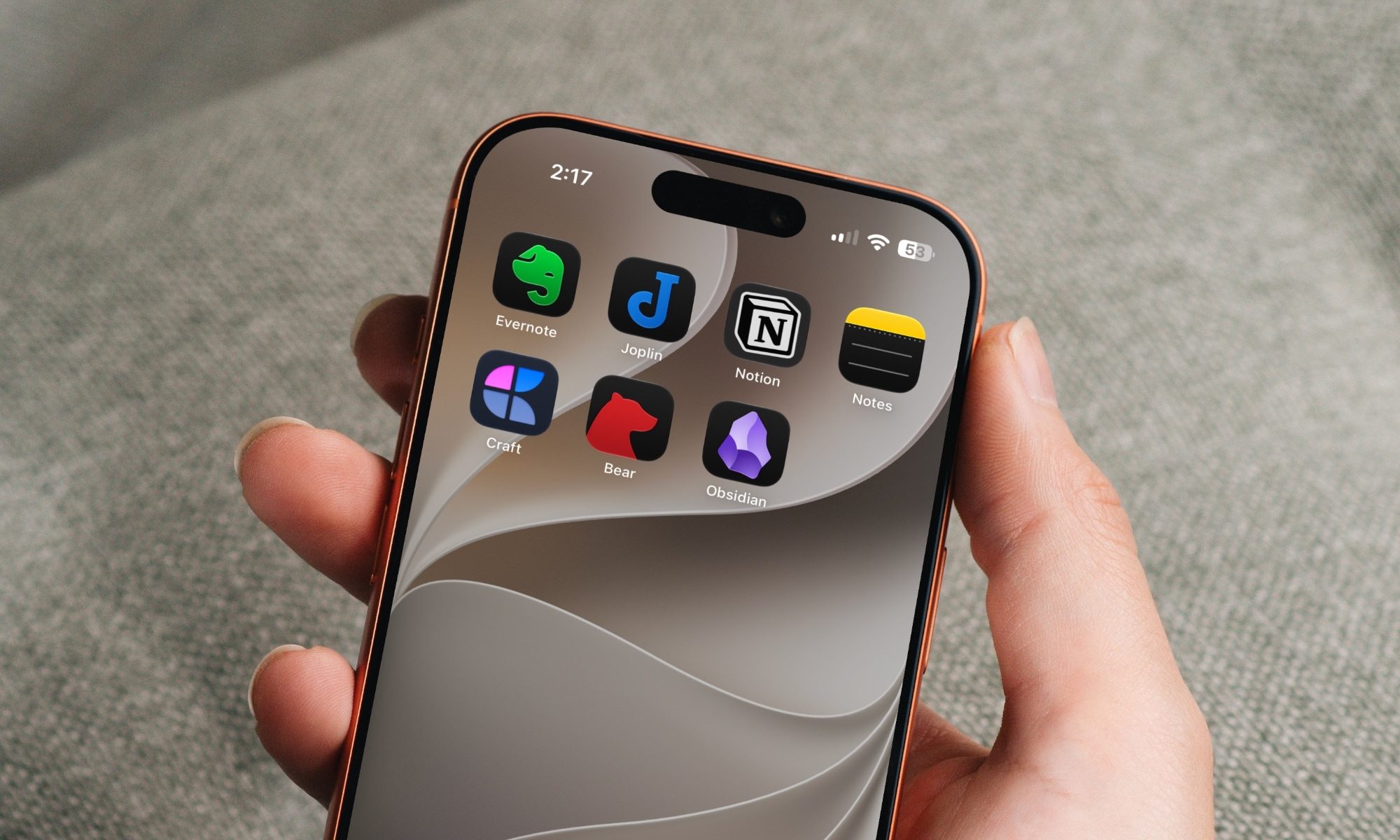
iPhone showing note-taking apps

Choosing a note-taking app is not easy. What note-taking app you choose depends on your needs, the platform you use, and of course, the cost. The process becomes even more complicated as it seems that there’s a new shiny app released every other week. 

That’s why I always suggest choosing a note-taking app that has all the features you need and can last you for a long time. Also, don’t chase new apps. The real power of a note-taking app comes when all your notes live in one place, making it easy to spot connections between them.

Read more
The best phones in 2026: our 14 favorite smartphones right now
We tested phones across all price brackets so that you can make the best pick based on your needs and budget.
Google Pixel 10 Pro Fold vs Galaxy Z Fold 7 cameras

Choosing the right smartphone in 2026 is no easy task. Apple and Android manufacturers now have strong options at almost every price, while better cameras, longer battery life, improved software support, new AI features, and more refined foldable designs have made the market more competitive than ever. But picking one is not easy, especially if your budget is tight, or you are just legitimately concerned about getting the best value for your money and need a reliable daily driver for long-term usage.

We have tested and compared the leading smartphones available today, looking beyond the spec sheet to see how they actually perform in daily use. Camera quality, battery life, performance, display quality, software, design, and long-term value all play a part in our recommendations. Whether you are looking for a powerful flagship, a dependable budget phone, a compact device, or a foldable, this guide should help narrow down your choices.

Read more
Snapchat Planets Meaning: Order, Rankings, and How Friend Solar System Works
Snapchat Planets turns your best friends list into a solar system, and yes, your orbit says a lot
Snapchat Planets being shown on the Snapchat app on iPhone.

Snapchat+ includes several exclusive features, but few have generated as much curiosity as Snapchat Planets. Part of the app's Friend Solar System, it transforms your Best Friends list into a planetary ranking, assigning each of your top eight friends a planet based on how often you interact.

From Mercury, which represents your closest friend, to Neptune, which represents your eighth closest, the system offers a quick visual snapshot of your interactions. But what do the different planets actually mean, and how does Snapchat decide who gets which one?

Read more