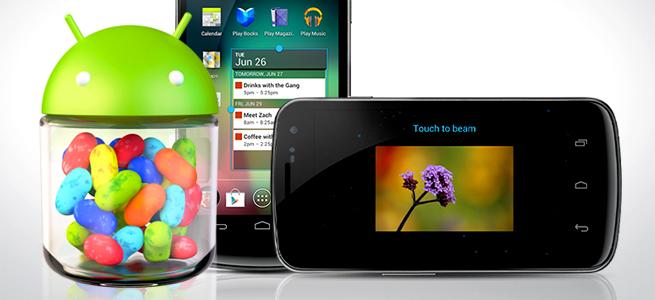
Android 4.1 Jelly Bean arrived in July 2012 and has already been updated a few times since then. Jelly Bean is now on over 15 percent of the Android devices out there and that figure is growing all the time. So, what makes Jelly Bean worth having? The original release was all about “Project Butter,” which made the platform faster and smoother than ever before. Subsequent iterations have delivered features like Photo Sphere for taking panoramic photos, quick access controls for functions like turning on and off Wi-Fi, multiple user accounts for tablets, gesture typing, new animations, and a host of tweaks and fixes.
To get the best out of it, you’ll want to brush up on some helpful Android Jelly Bean tips and tricks. We’ve already covered how to take a screenshot on Android Jelly Bean, but there’s plenty more to look at.
How to use Google Now
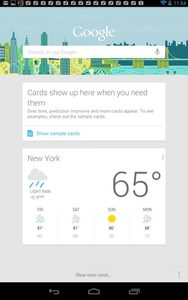
Your digital butler awaits your questions, so start using it. You can access Google Now by tapping on Google or the Google icon on any home screen. On some devices, such as the Nexus 4, you can swipe up from the bottom of the screen to launch it. Google became a verb a while ago and so, when Google Now is running, you can say “Google” followed by any search query you might have. If you prefer, you can just ask regular questions like, “What will the weather be like tomorrow?” or “When is Sarah’s birthday?” or “Call Siobhan.”
If you find Google Now is having trouble with a name then you can always add phonetic information. Go to the contact in question and tap Menu > Edit then scroll down, choose Add another field, then choose Phonetic name. That way you can type in the name as it sounds. Alternatively you could add a Nickname in the same menu.
In order to be really useful, Google Now needs data and so you should make sure that the Web history for your Google account is enabled. You can check by visiting history.google.com in your browser while signed in. The more you use Google services, the more it will learn about you, and in theory, the more useful it will become. You can remove cards you don’t want and dictate exactly what comes up by tapping Menu > Settings > Google Now and then choosing the card you want.
How to use Notifications
Just as before, you can swipe notifications off to the right to get rid of them. You can also now expand some kinds of notifications using the pinch to zoom gesture in order to see more information. Slide your fingers apart to expand and back together to minimize.
You’ll also notice a small rotation lock icon at the top of the notification shade. Tap on it to lock your rotation in portrait or landscape.
We’ve discussed how to turn off Android notifications before.
How to customize the Home screen
You can long press on any icon or widget on your home screen in order to move it around. Drop an icon on top of another icon to automatically create a folder and tap to name it. Long press and release widgets to get the option to resize them – you’ll see circles to drag around until you get the exact size you want.
To get rid of a shortcut from your home screen just long-press on it and then flick it up off the screen. In fact, if you prefer not to have shortcuts automatically appear on your home screen when you install a new app, then you can go into the Play Store, tap Settings and uncheck the box next to Auto-add widgets.
How to add lock screen widgets
You can add widgets to the lock screen with Jelly Bean. This means you can preview your calendar or your inbox without having to unlock the device. You can also swipe to the left to go straight into the camera app, which is handy for trying to capture those spontaneous shots.
If you are worried about the potential security breach here then you can just turn them off. You’ll need a simple app called Lockscreen Policy. It is a free install and it allows you to toggle the lock screen widgets and the quick camera access on or off separately.
How to set your volume controls
You can set all your volume controls very easily. Press your volume rocker and then tap the Tools icon at the right of the volume slider to open a menu displaying all of your phone’s volume controls.
If the default sounds when you navigate around and type are annoying then you can turn them off. Go to Settings > Sound and uncheck the boxes next to Screen lock sounds or Touch sounds. For the keyboard go to Settings > Language & input > Android keyboard settings and uncheck the box next to Sound on keypress.
How to uninstall apps and open up Recent Apps
You can long-press on an app in the app drawer to open up further information about it or to uninstall it. If you want to access recently opened apps then you can do it via the Multitask (or Recent Apps) button at the bottom right. You can long-press on an entry in the Recent Apps list to access more info or to remove it. It’s possible to just swipe entries off to the right to remove them. The process for accessing this list varies, for example, to access the recent apps list on a Galaxy S3 you hold down the Home button. You can also long-press on notifications that appear in the notifications shade in order to access the relevant app’s settings directly.
Sometimes tweaks cause problems. If you find that you’ve introduced a problem and you can’t track down what’s responsible then you can always do a universal reset of the app preferences. Go to the app drawer and tap Menu > Settings then Reset app preferences. On some devices you’ll find it via Settings > Applications manager.
If you run into trouble with an app then you might need to resort to safe mode. Hold down the Power button and then long-press on the Power off option. Choose OK to reboot the device in safe mode without any third-party apps running and you can remove the offending app.
How to set up multiple users
If you have an Android tablet running Jelly Bean and you want to take advantage of the built in multiple user account support then go to Settings > Users. Tap Add user at the top right to add a new person and then run through the instructions.
How to use screensavers or ‘Daydreams’
Google’s name for screensavers is daydreams and version 4.2 of Android Jelly Bean has a few built in. The BeanFlinger is hidden by default so here’s how to unlock it. Tap Menu > Settings > About phone and then repeatedly tap the Android version entry until a jelly bean appears. Tap and hold the jelly bean and your device will vibrate as your screen morphs into an interactive jell bean soup. You will now find BeanFlinger unlocked in your Daydream menu.
You can still access this easter egg in earlier versions of Android Jelly Bean using the same method.
How to access Developer options
In version 4.2 of Android Google decided to hide Developer options by default. To get it back go to Settings > About phone and then tap the Build number entry seven times. You should now see Developer options in the Settings menu.
More Android Jelly Bean tips
If you want to share any more Android Jelly Bean tips then please do post a comment and share them.