Of all the iPhones that dropped this year, the iPhone 14 Plus has received the dubious distinction of performing the worst, commercially speaking. It struck many as a little odd. The iPhone 14 Plus was one of the best iPhones Apple had created. It shipped with the latest iOS, a processor that outperformed most Android phones, and a large and roomy screen, all accompanied by the best battery life you’d find on a smartphone.
For all those rewards, it’s not selling as well as expected. In fact, some reports claim that Apple has scaled back iPhone 14 Plus production to refocus on the iPhone 14 Pro and Pro Max. While it’s simplistic to position the iPhone 14 Plus as a failure per se, it has earned itself a spot on our worst iPhones of all time list. Furthermore, it’s useful to look at the factors that could have driven underperformance. In this case, Apple has been its own worst enemy.
The iPhone 14 Plus is way too expensive
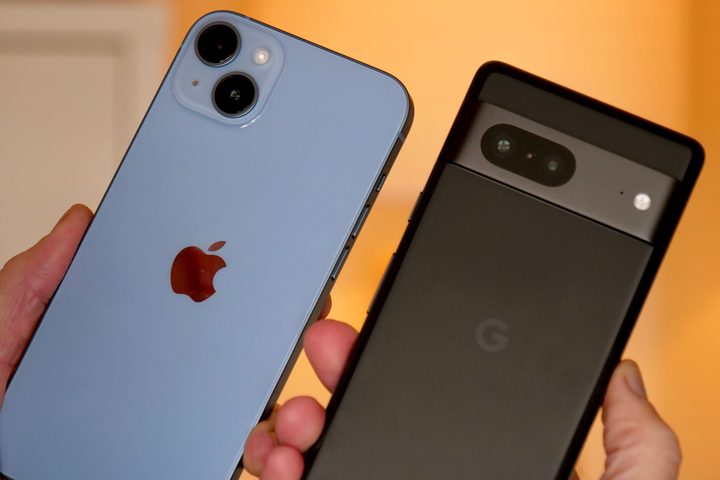
I’ve gone into this in a little more depth previously, but the iPhone 14 Plus is a very expensive phone. Certainly, all iPhones are expensive, but there’s something about a thousand that drives introspection. Is this feature needed? Is that one? What can I get elsewhere?
These questions don’t really matter when shopping in the midrange of the matter. When you’re spending silly money on a phone, though, it becomes a little more interesting. For a little more money, the iPhone 14 Pro Max beckons. For a little less, the iPhone 13 Pro Max can be had. Apple doesn’t compete solely with itself here, and Google’s excellent Pixel 7 Pro undercuts the 14 Plus and offers a better camera and display.
At the same time, the iPhone 14 Plus may not necessarily be a failure as much as it represented an option to flesh out Apple’s lineup. Avi Greengart of Techsponential pointed out to Digital Trends via email that, without knowing Apple’s internal expectations, it would be hard to quantify how far the 14 Plus went towards meeting those goals.
“Generally speaking, Apple has been extraordinarily successful moving consumers to the top of its range – consumers are willing to pay more to get the improved imaging, display capabilities, and processor on the iPhone 14 Pro and iPhone 14 Pro Max. This is especially true in markets where carriers heavily subsidize phones for consumers with good credit; why not get the best when you aren’t paying more for it?” Greengart said.
A redundancy problem
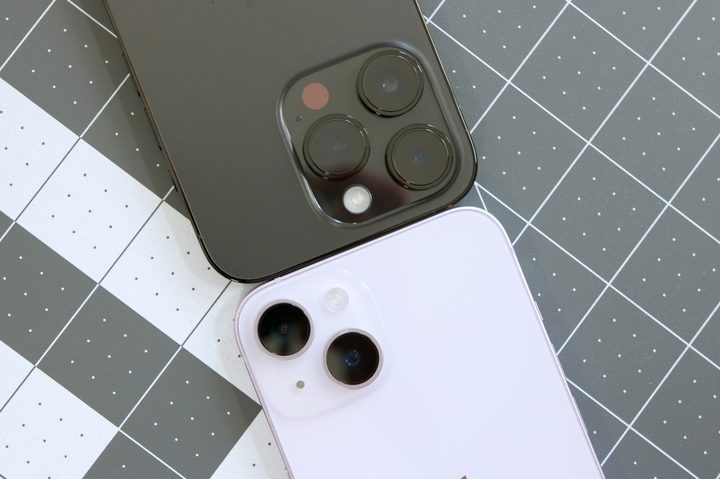
Apple’s iPhone 13 Pro and 13 Pro Max offered fabulous cameras, high refresh rates, and long-lasting batteries over their cheaper iPhone 13 counterparts. They also do the same over the iPhone 14 and 14 Plus. This is because the iPhone 14 and 14 Plus share a lot of their internals with the iPhone 13 series. Paired with the cheaper pricing of the older phones, there are a lot of reasons to avoid the Plus, and few to go for it specifically.
Take the large screen, as an example. At just 60Hz, it’s markedly inferior to the 120Hz display on the 13 Pro Max — even its vaunted battery life is roughly as good as the 13 Pro Max. We could drop to the 12 Pro Max for a phone that has a weaker processor, but you get better build quality and an extra camera. Oh, and it’s much, much cheaper.
“I think the Apple 14 Plus hit a blind spot in terms of the mix of price and specs. I agree with you that it probably comes down to price; it is quite expensive for the perceived minor upgrades. Consumers are more interested in either the big upgrades of the 14 Pro and Pro Max or the “relatively affordable” basic 14. I think the 14 Plus fell through the gap in between,” Jan Stryjak, an associate director at Counterpoint Research, told Digital Trends in an email.
Caught in a losing battle
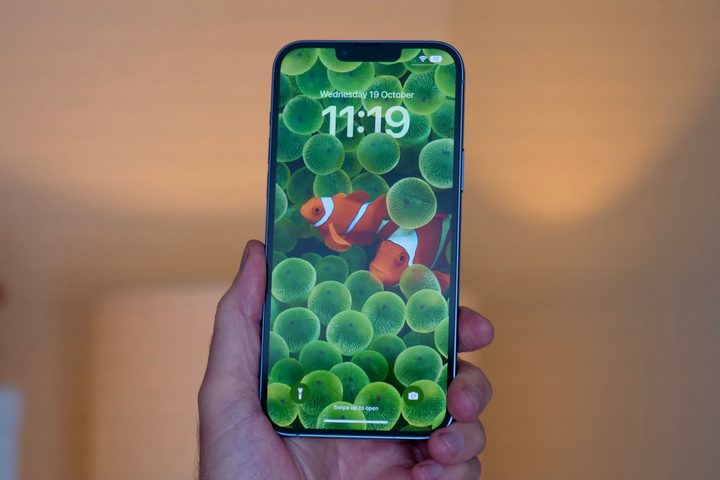
Though Apple has stopped selling these iPhones, the rise of the circular economy (especially as belts tighten) means that a lot of these phones have found themselves back on the market for lower prices than the iPhone 14 and 14 Plus. Apple may officially only sell a few iPhones, but the iPhone 14 Plus is competing with a bevy of large screens iPhones — from the iPhone 11 Pro Max all the way up to the 13 Pro Max, all priced far more attractively. It’s a losing battle.
Now, this holiday could still prove the iPhone 14 Plus a big winner. Perhaps the crowd that Apple was aiming for — the casual crowd — doesn’t overlap well with the early upgraders who would buy the new iPhone just three months after its release.
It could happen. It’s hard to see them being convinced of the point of an iPhone 14 Plus over an iPhone 13 Pro Max if buying outright, or a 14 Pro Max if on a contract or payment plan. Turns out even Apple products aren’t immune from the Apple effect.