1. Home
  2. Phones
  3. Mobile
  4. News

Google Lens celebrates its first anniversary with redesign, OCR update

Add as a preferred source on Google

Google Lens has been changing the way that smartphone users make use of the camera on their device for a year now. Using deep machine learning to analyze images collected through a device’s camera, the app can perform tasks like telling you about a book when you take a photo of the cover, identifying shops or locations by looking at a picture of them, or connecting to a wifi network when the camera is pointed at a label showing the login data.

In a new blog post, Google has given more details about the redesign of Google Lens that was launched last week. One major feature is the ability to search based on visual information rather than text information. So, perhaps you see a cute dog and you want to know what breed it is. With traditional text-based search, you would have to look up individuals breeds and compare images, or look for a full listing of dog breeds and hope to find the right one. With Google Lens, you can use your camera to capture an image of the dog and have Google identify the breed from that image.

Recommended Videos

Similarly, you can also search from images to identify items of a similar style. If you see an outfit that you like while you are out and about, or a home decor item like a beautiful lamp, then you can snap an image with Lens and it will search not only for the original item, but also for similar items that have the same style. This process works through a machine learning algorithm that looks through hundreds of millions of images online to pull out the salient visual features of a particular item, allowing Lens to identify both an item and other similar items from just an image.

One challenge for Lens is getting it working with text. Teaching the camera to understand text requires a feature called optical character recognition (OCR) which lets the Lens identify written characters even when they are in different fonts, at an angle, or in non-optimal colors or lighting. With the updated OCR in Lens, you can now copy and paste text from a physical document onto your phone using your camera.

Google are betting that as smartphones get better cameras, we’ll use them more and more not only as digital devices, but also for interacting with the real world.

Georgina Torbet
Georgina has been the space writer at Digital Trends space writer for six years, covering human space exploration, planetary…
Vibecoded apps are flooding Apple’s App Store, and users are getting sick of them
App Store submissions have doubled this year as AI tools make it easier than ever to build an app, but downloads haven't kept pace, and for good reason.
Apple App Store homepage on an iPhone

Apple's App Store is in the middle of its steepest submission surge in years. Developers submitted nearly 600,000 new apps last year, marking a 30 percent jump over the previous year. That number has already doubled to roughly 560,000 new apps in just the first six months of this year, according to estimates from analytics firm Sensor Tower cited by the New York Times. The reason behind the spike is vibecoding, which allows people with no prior development experience to create new apps using AI tools.

A familiar boom, with a twist

Read more
Google Photos adds a quick toggle between AI and classic search
Classic search is finally easier to reach for people who enabled Ask Photos
Google's Ask Photos debut.

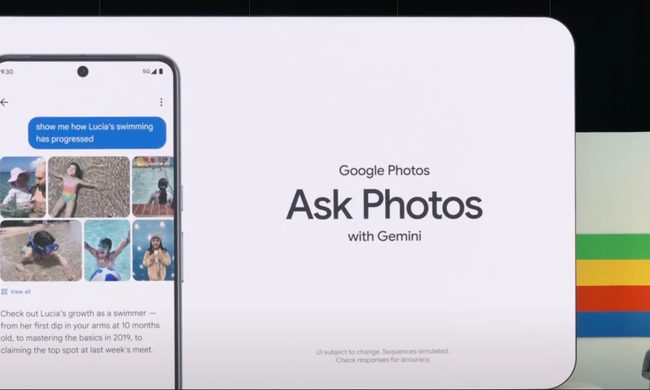
Google Photos is giving users an easier way to leave its Gemini-powered search when a simple keyword would do. A new toggle now sits at the top of the results page, letting users switch between Ask Photos and classic search without digging through settings.

The change appears to address feedback from people who opted into Ask Photos but wanted a quicker way to return to classic search when Gemini was slower or less useful for a straightforward query.

Read more
Snapseed Camera now lets Android users save original photos and add geotags
Google updates Snapseed Camera with geotag support and non-destructive photo editing
Snapseed App

Google appears to be quietly turning Snapseed into something more than just a photo editing app. Over the past few weeks, the company has been steadily adding new capabilities to Snapseed Camera, its standalone camera app for Android. The latest update introduces two practical features that many smartphone users have come to expect from modern camera apps: the ability to save an untouched copy of every image for future editing and support for embedding location data directly into photos.

Neither feature is flashy, but together they make Snapseed Camera a more capable photography tool, particularly for users who like experimenting with filters without permanently altering their original shots. According to a report by 9to5Google, the features are rolling out with Snapseed Camera version 4.1.1.x on Android.

Read more