1. Home
  2. Phones
  3. Mobile
  4. News

Google Photos’ latest update lets you hide your most sensitive shots

Add as a preferred source on Google

You’d think it would be easy to hide incriminating photos on your smartphone — it’s 2017 after all, and the internet is a thing that exists. Until recently, however, keeping your most private images shielded from the public was actually quite difficult.

Among the available options, you have Samsung with its robust Secure Folder app, which lets you lock everything from pictures to emails, documents, and even apps behind password protection. Then there’s Apple’s somewhat clunky system of letting you “hide” content from your general Photos tab, while leaving it perfectly visible in Albums. Better yet, Google had no such feature at all — until now.

Recommended Videos

At long last, the latest version of Google’s Android photos app makes it extremely easy to hide images, with just three taps. Open or long-press a photo, tap the menu button at the top right, and select “Archive.” Those pictures will be concealed in a separate folder accessible from the hamburger menu, though much like Apple’s method, they will still appear in Albums view and search results.

The new feature was first revealed by 9to5Google, and is now live for devices with version 2.15 of the app installed. It likely isn’t the lock-and-key solution some users might want or need, but it’s better than nothing. Besides, there are many third-party apps on both iOS and Android made specifically for keeping pictures private that do a better job of it. Archiving is also useful for those who would simply prefer to de-clutter their photo library, or have many multiples of the same shots.

May has been a busy month for Google Photos, and this is just one of several new features to arrive on the app in recent weeks. For Mother’s Day, Photos gained the ability to make personalized videos using facial recognition to identify your family members. Not long after, at Google I/O, the company debuted enhancements designed to make sharing easier, and unveiled the ability to make printed books. And just yesterday, Google added Family Groups support, allowing users to instantly send photos to as many as five of their loved ones with a single tap.

Adam Ismail
Former Contributor
Adam’s obsession with tech began at a young age, with a Sega Dreamcast – and he’s been hooked ever since. Previously…
Geekbench now lets you check how a phone will actually handle your boring daily chores
New tests, smarter scores, and finally some love for NVIDIA GPUs.
Geekbench 7 open on iPhone

Geekbench, the popular cross-platform benchmark from Primate Labs, just got a major update. Geekbench 7 is out today, and you can download it on Android, iOS, Windows, macOS, and Linux. If you like to know exactly how your CPU and GPU stack up, this update brings a bunch of changes worth knowing about.

What's new in the CPU tests?

Read more
Latest Pixel 11 series leak offers the clearest look yet at Google’s next flagship
Google's next Pixel has leaked again, but this time almost nothing is left to imagine
Pixel 11

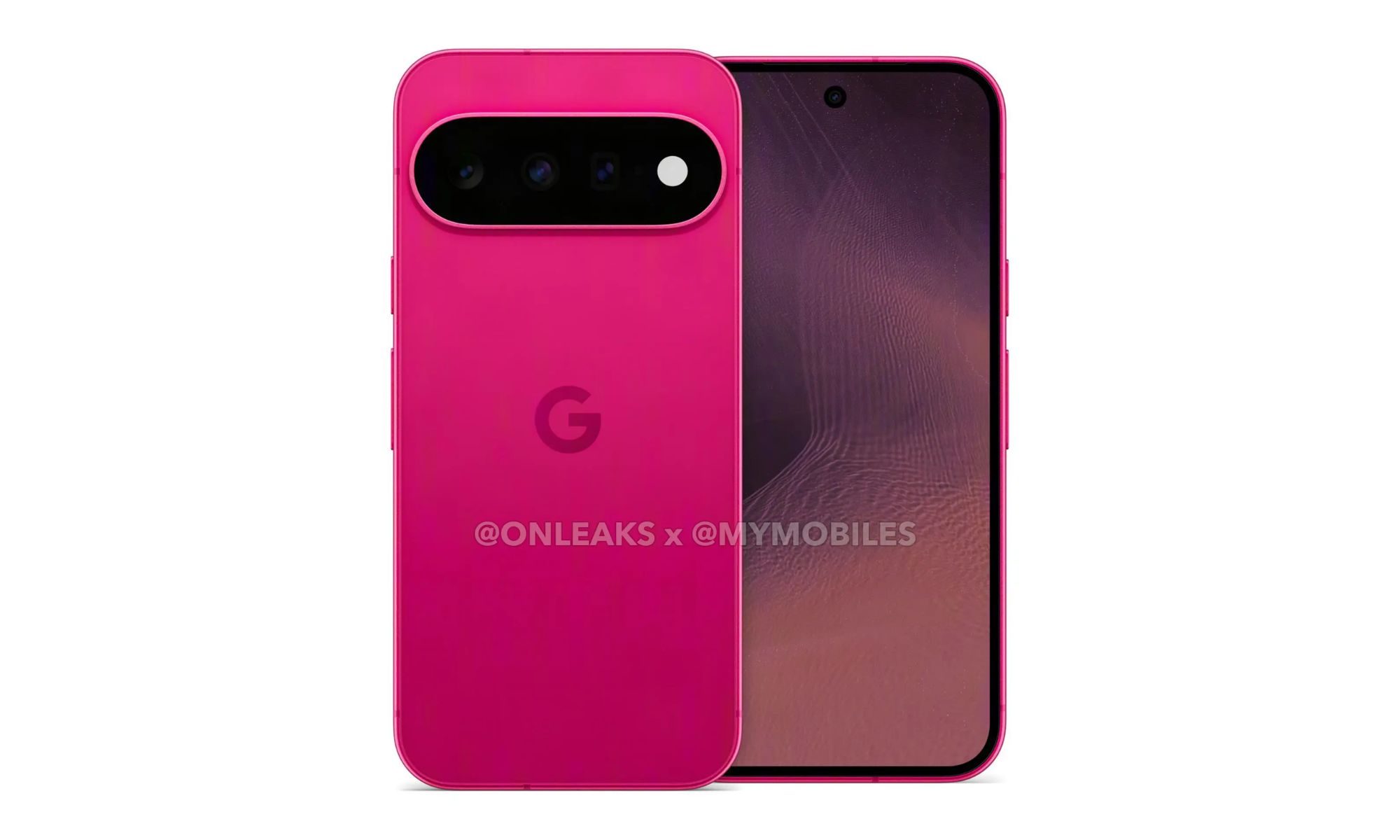
Google's Pixel launches have become increasingly difficult to keep under wraps, and the Pixel 11 series appears to be no exception. Weeks before Google's scheduled August 12 launch event, a fresh leak has revealed what is claimed to be the complete set of official press renders for the Pixel 11, Pixel 11 Pro and Pixel 11 Pro XL, showcasing every colour option across the lineup.

The renders, published by MyMobiles in collaboration with tipster OnLeaks, offer what is arguably the most comprehensive look yet at Google's next flagship family. If authentic, they not only confirm earlier design leaks but also reveal Google's colour strategy for 2026, including a vibrant Fuchsia finish for the standard model and a new copper-inspired "Dune" variant for the Pro series.

Read more
Galaxy Z Flip 8 vs. Motorola Razr Ultra (2026): Samsung’s flip phone is cheaper, but is it better?
One flip phone wins on value. The other wins on hardware.
Electronics, Phone, Mobile Phone

Flip phones have quietly become one of the most competitive corners of the smartphone market. It provides buyers with a satisfying folding snap, reducing the footprint to half the original size, and that’s the entire point. Motorola never really left the format after reviving the Razr name, while Samsung has spent generations treating the Flip line as its scrappy, budget-friendlier sibling to the Fold. 

This year, though, the gap between the two camps has narrowed to the point where picking a winner requires genuinely reading the spec sheet and learning about the phones before putting your money into one. One phone leans hard into raw display firepower, while the other leans into a deeper software ecosystem and a friendlier price tag. 

Read more