1. Home
  2. Phones
  3. Mobile
  4. News

Apple debuts international versions of the iPad Pro’s Smart Keyboard

Add as a preferred source on Google

The iPad Pro has been out for nine months now and Apple has finally gotten around to launching international versions of its optional Smart Keyboard.

Previously only available with a U.S. layout, the ultra-slim portable keyboard now offers alternatives in, for example, British English, French, German, Italian, Spanish, Arabic, and Korean. They come in two sizes as well, catering for both the 12.9-inch Pro and the 9.7-inch version, which launched earlier this year.

Recommended Videos

The introduction of the new layouts means customers in each country now have the option to buy the Smart Keyboard in either U.S. English or their local language, either online or in retail stores.

For Brits, the localized keyboard means, for example, easier access to the British pound (£) sign. Currently, UK-based Pro owners with the American Smart Keyboard need to hit Option-3 to bring it up. For fast-typing Germans and Austrians, however, the localized layout will be a whole lot more convenient, familiar as they are with the QWERTZ layout rather than the better-known QWERTY style.

In the U.S., the iPad Pro keyboard costs $169 for the 12.9-inch tablet and $149 for the smaller model. The device, which connects via the tablet’s magnetic Smart Connector instead of Bluetooth, features a conductive material that enables the two-way flow of both power and data, so the keyboard requires no charging. It’s made of a durable, silicone material, and the keys are water-resistant.

The Smart Keyboard only protects the iPad Pro’s display, so you’ll have to splash more cash on a back cover for total protection. Apple’s Silicone Case for the Pro starts at $69 and comes in 12 colors, though take note, the Smart Keyboard currently only comes in Charcoal Gray.

Trevor Mogg
Contributing Editor
Not so many moons ago, Trevor moved from one tea-loving island nation that drives on the left (Britain) to another (Japan)…
TSMC might set up a price hike that could come straight for your next phone, laptop, or tablet
Here's what TSMC's rumored 10% chip price increase actually means in dollar terms, and why your next phone or laptop could end up costing more.
TSMC Fab

My wallet flinched the second I saw the words "TSMC" and "price increase" in the same headline, and honestly, yours should too.

Turns out the company behind the silicon powering basically every flagship device out there, including Apple’s A-series and Qualcomm’s Snapdragon processors, is reportedly about to make all of it a little pricier.

Read more
Samsung’s free storage doubling for preorders is gone in Austria, and the replacement isn’t as sweet
Samsung's free storage doubling deal might just be history.
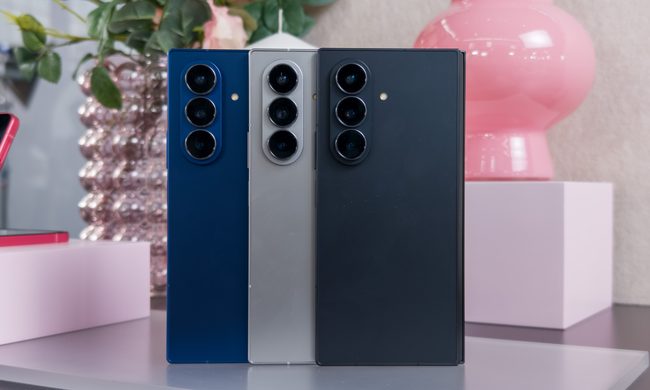
The back of the Galaxy Z Fold 7

If you've pre-ordered a Samsung foldable purely for the free storage bump, tomorrow's Unpacked event might sting a little.

For years, pre-ordering a new Galaxy meant automatically getting double the storage at no additional charge. Buy the 128GB model, walk away with 256GB for the same price. The same applied to the 256GB and 512GB models. However, that might change at the upcoming Galaxy Unpacked event. 

Read more
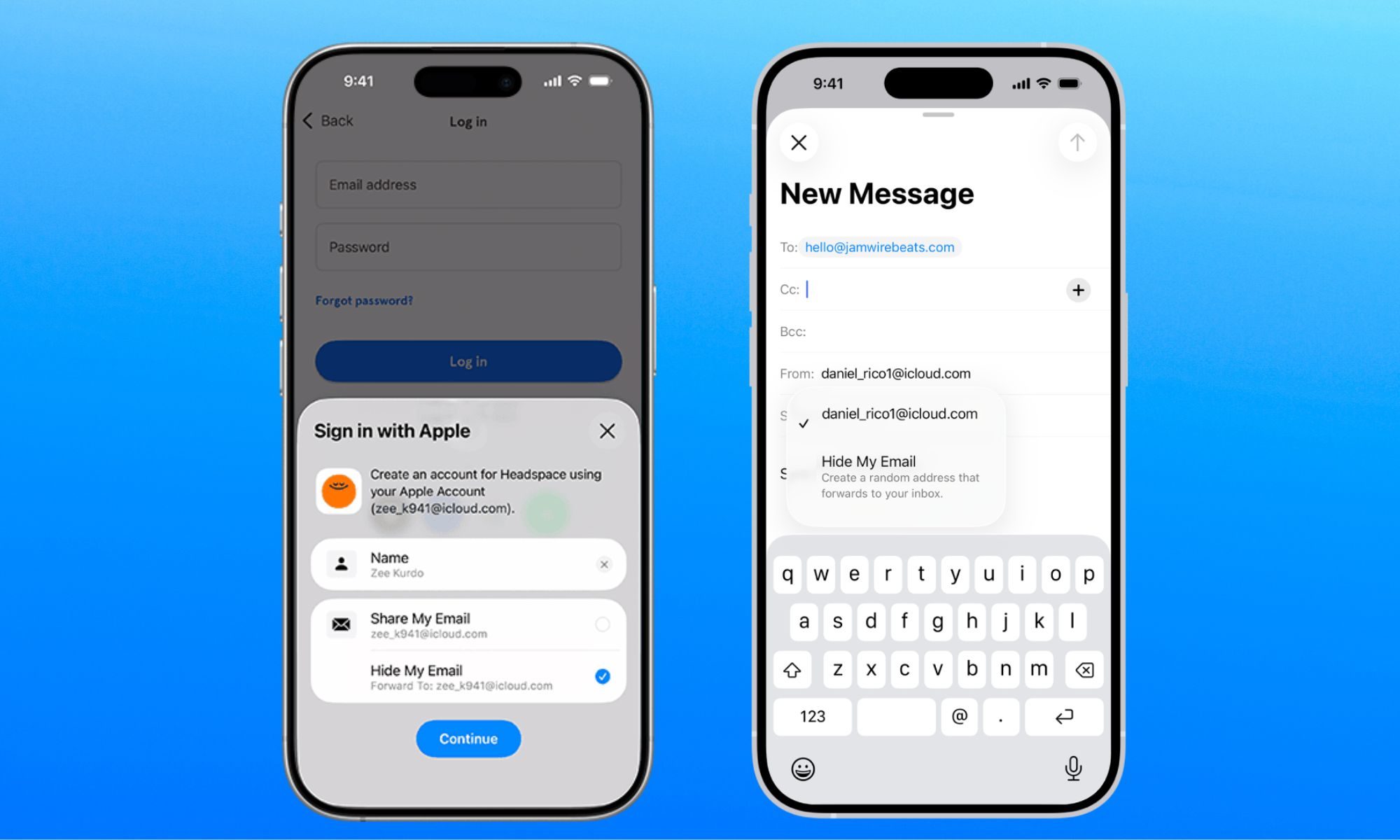
Apple fixes Hide My Email bug that exposed users’ real email addresses
Here's how Apple's Hide My Email flaw leaked real addresses for over a year, and why it only got fixed once the story went public.
apple-merging-sign-in-with-apple-hide-my-email-icloud+

Turns out the "Hide" part of Hide My Email wasn't doing its job quite as advertised, something that I covered early in July. Security researcher Tyler Murphy reported the flaw in June 2025, but despite Apple claiming it was resolved in March 2026, independent tests confirmed it remained exploitable, at least until July 3, 2026.

So how did this bug actually work?

Read more