  1. Home
  2. Phones
  3. Mobile
  4. News

Motorola’s next Razr Plus foldable sounds like a massive upgrade

Add as a preferred source on Google

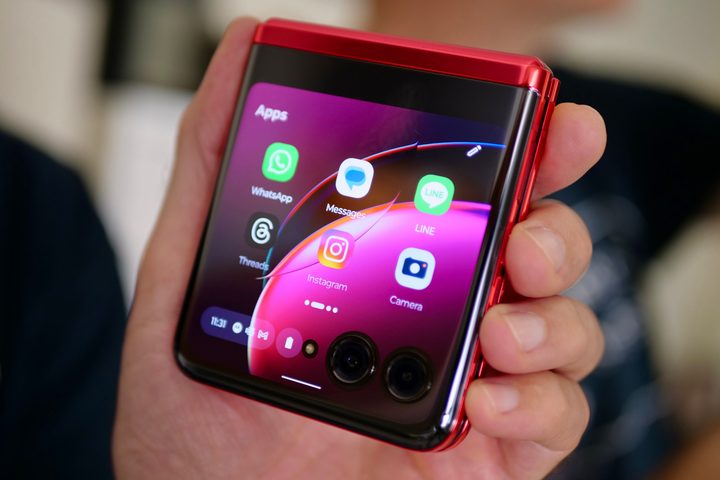
Apps on the Motorola Razr Plus.
Motorola Razr Plus Andy Boxall / Digital Trends

Motorola seems to be prepping to deliver a foldable phone smackdown in the coming weeks — or at least that’s what fresh leaks suggest. According to SmartPrix (and the ever-reliable @OnLeaks), the upcoming Razr 50 Ultra (aka the Razr Plus 2024) will not only cost the same as its well-received predecessor at $999, but will also bring some meaningful hardware upgrades to the table.

Recommended Videos

The design language of Motorola’s next clamshell-style foldable phone will remain more or less identical, retaining its 3.6-inch cover screen and a 6.9-inch inner foldable OLED screen. That’s not necessarily disheartening news, as the current Razr Plus is quite a stunner by current foldable phone standards.

The silicon is getting upgraded to Qualcomm’s Snapdragon 8S Gen 3 chip. Now, that’s not quite the de facto flagship in Qualcomm’s portfolio, but still a notable upgrade compared to the Snapdragon 8+ Gen 1 inside the Razr Plus 2023/Razr 40 Ultra from a year ago.
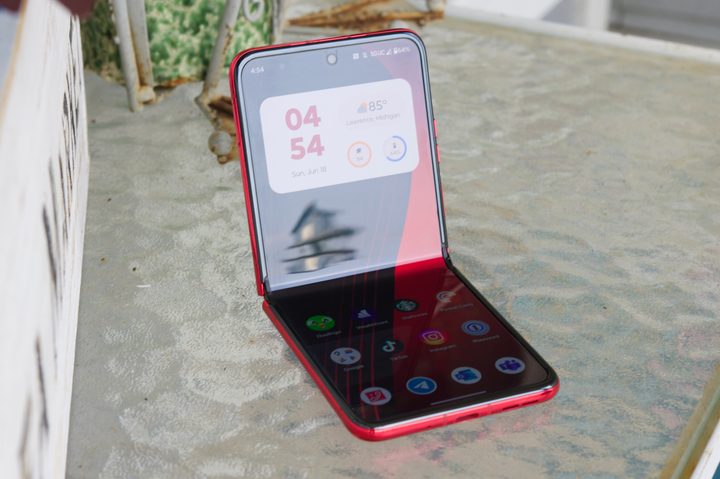
The Motorola Razr Plus half-opened and sitting on a glass table.
Joe Maring / Digital Trends

Motorola is also bumping up the RAM from 8GB to 12GB this year. Another notable upgrade is a 4,000mAh battery, up from the 3,800mAh unit fitted inside the Razr 40 Plus 2023. The numbers are small, but it’s still quite an achievement for a foldable phone given the cramped internal space and the stress of powering two screens.

However, the most notable enhancement is reserved for the camera hardware. Motorola’s previous foldable flagship offered a combination of 12-megapixel and 13MP cameras, while selfies were handled by a 32MP sensor. On the Razr 50 Ultra/Razr Plus 2024, the latest leak predicts a 50MP primary camera. Curiously, the ultrawide sensor is said to have been replaced by a 50MP telephoto camera with a 2x optical zoom output.

The build goes from an IP52 to an IPX6 rating for dust and water protection. The report also mentions that the Razr Plus 2024 will be Motorola’s first foldable phone with AI-assisted photo/video capture and media editing capabilities. It’s unclear if those capabilities will be served within an in-house app or via the Google Photos app.

A side-mounted fingerprint sensor (assisted by face unlock support for biometric authentication) and eSIM compatibility round up the rest of the leaked feature list of the upcoming phone. In addition to the familiar blue and pink shades, buyers are also said to be in line for a new Spring Green color option when the phone hits the shelves in June.

Nadeem Sarwar
Nadeem is the Managing Editor at Digital Trends.
Android desktop mode made me miss my laptop in record time
I tried writing and publishing from Google’s phone-to-monitor setup, and the future of mobile computing immediately started sweating.
Computer, Electronics, Laptop

Android 17 desktop mode has a very simple pitch. Plug your phone into a monitor, add a keyboard and mouse, and watch the slab in your pocket pretend to be a computer. I wanted to give that pitch a fair shot, so I tried using it for an actual workday instead of a cute demo.

The goal was boring on purpose: write an article, edit it, build the page in WordPress, upload whatever needed uploading, and publish the thing without running back to my laptop like a coward.

Read more
After test-driving iOS 27, my iPhone still doesn’t feel like it has made a substantial leap
Siri learned new tricks. Safari got smarter tabs. My morning routine didn't change at all.
iOS 27 new star rating feature in Photos

Every June, after Apple wraps up its annual WWDC keynote, I install the latest iOS beta on my iPhone, watch the progress bar crawl to completion, and wait for the inevitable restart. For years, picking up my phone afterward felt almost identical to how it did before the update. 

I saw the same grid of icons, the same Control Center, and the same version of Siri until iOS 26 finally broke that pattern in 2025.

Read more
Android 17 makes a strong case for ignoring Android version numbers entirely
When the most noticeable change is a better Quick Settings button, the annual update cycle starts looking more like branding than progress.
Android 17 logo.

Android 17 finally separated the Wi-Fi and mobile data buttons, and I hate how much that improved my mood. For years, Android treated internet access like one mysterious blob, as if Wi-Fi and cellular data were emotionally codependent. In Android 17 Beta 3, Google split the old combined Internet button into separate Wi-Fi and mobile data tiles, making each connection easier to switch off with a single tap.

That’s a good change, which is also why it’s a little damning. When one of the cleanest wins in a major OS update is “the buttons make sense again,” the celebration gets awkward fast.

Read more