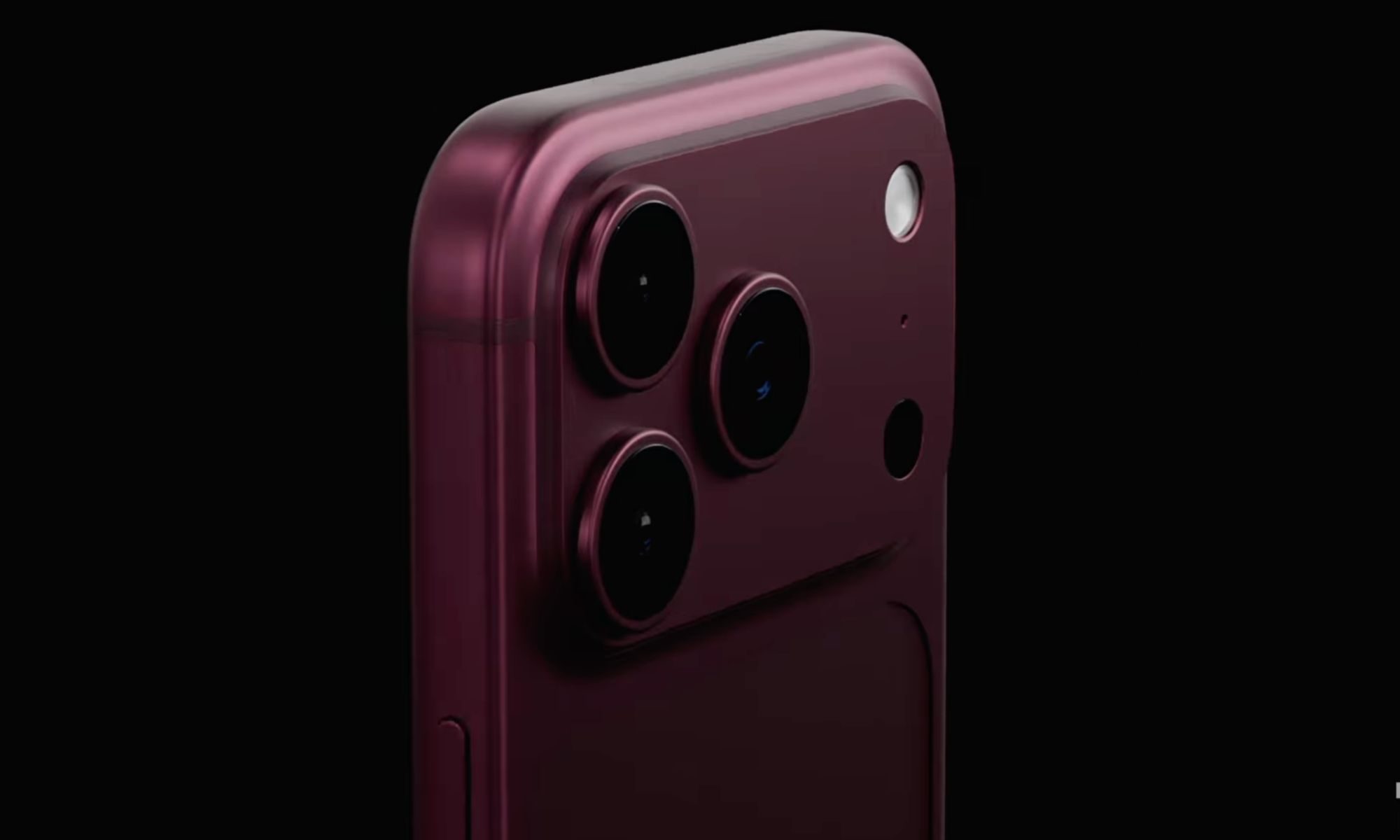
Oppo has announced the Oppo Reno13 series of smartphones, which do something very different to devices like the Samsung Galaxy A56 and Nothing Phone 3a Pro. Rather than holding back on AI features either to push upgrades or because some features have questionable value, Oppo stuffs the Reno 13 phones full of the same AI as you get in its top phones.
There are three phones in the Reno13 family: Reno13 F, Reno13, and Reno13 Pro. The Reno13 Pro is the top model, and it features a 50MP telephoto camera on the back, providing a 3.5x zoom to join the 50MP main camera and 8MP wide-angle camera. On the front is a 50MP selfie camera with autofocus. Inside the phone is a custom tuned MediaTek Dimensity 8350 processor, 12GB of RAM, and either 256GB or 512GB of storage space.
The Reno13 Pro has a big 6.83-inch AMOLED screen with a 120Hz refresh rate and small 1.6mm bezels running round the outside, giving it a modern appearance. The chassis is made from aluminum and a single piece of glass on the back, complete with an unusual “cold sculpted” dual-texture finish in either Graphite Grey or a stunning Plume Purple. The phone weighs a modest 195 grams, has IP66, IP68, and IP69 dust and water resistance, and a big 5,800mAh battery with 80W wired charging.
The same processor drives the Reno13, but the phone loses the telephoto camera, which is replaced by a 2MP monochrome camera, and has a smaller 6.59-inch, 120Hz screen. The battery capacity drops to 5,600mAh, but so does the device’s weight, which is just 181 grams. It comes in either black or white. The same durability ratings apply too. Not as much is known about the Reno13 F, but it’s the base model so won’t improve on any of the above specifications.
What about the AI features?
What about the AI? There’s a lot. The Reno13 series uses Android 15 with Oppo’s Color OS 15 software, which should be fairly similar to OnePlus’s OxygenOS 15 software. Google Gemini is the main assistant, and there’s Circle to Search, plus a host of photographic AI including an object eraser tool, a Best Face mode, an AI Studio to change the look of your photos, and handy editing tools like a reflection and blur remover. There’s an AI Live Photo mode that shoots 1.5 seconds of video either side of when you press the shutter button to create short videos.
Elsewhere there are AI summary tools, an AI Writer mode, and even AI tools working behind the scenes to control device temperatures when playing games. Oppo and MediaTek worked together on the processor to ensure it’s optimized for AI imaging performance, and for heavy duty activities like 4K 60fps video and high speed data during online games. It’s great to see all these AI tools on mid-range smartphones, unlike Samsung’s approach with Galaxy AI, giving more people the chance to try them out.
The Oppo Reno13 series continues Oppo’s push back into the U.K. market, which began again in 2024. All three phones will be released on April 3 through the EE network, Oppo’s online store, retailer Currys, and TikTok too.