The iPhone 17 launch is (almost certainly) fast approaching, and while the iPhone 17 Air is the phone getting the most coverage, a new rumor has emerged about another Apple device that’s intrigued me.
The word on the virtual street is that the iPhone 17 Pro (and Pro Max) are going to get a vapor cooling chamber, which would reduce heat from the phone in a new (and presumably more efficient) way.
OK, this isn’t a new rumor, as we reported on this back in March that the phone was tipped to have the new tech, but another leaker (Majin Bu, via MacRumors) has shared a photo of a component that’s supposedly going to be used in the new iPhone 17 Pro range.
The photo suggests that this is the base of a vapor cooling chamber, which would allow for a more uniform spread of the heat.
But something else got me interested: Makin Bu also claims that “according to our internal source, the thermal issue in the iPhone 17 Pro is critical.”
Insight: What on earth is vapor chamber cooling?
In a vapor cooling chamber, the fluid absorbs heat from a source and changes into its vapor state. These vapors travel to the cooler parts of the chamber, where it condenses and gives off the absorbed heat.
After switching to its liquid form, the chemical returns to its original position and repeats the cycle. This is repeated until the heat is evenly distributed throughout the vapor chamber.
In a smartphone, this vapor chamber is a thin pipe that is flattened to about a millimeter to ensure it doesn’t increase the thickness of the device.
The process is more or less the same in smartphones as described in the previous paragraph, but companies can choose different materials to ensure better heat radiation away from the chipset.
To find out more, read our guide to vapor chamber cooling
Now, obviously we can’t take these claims as any kind of fact, as there are a lot of tipsters out there who claim to have inside knowledge, only for the reveal to be something completely different.
Nor should it be a surprise that a company in the development process might be trying to solve a problem – every phone brand I’ve ever interviewed has always had something to figure out, especially if they’re trying to do something for the first time.
That’s what’s got me the most about this claim: if the iPhone 17 Pro line up is overheating, what’s cooking things? Is there advanced video processing under the hood that will turn the iPhone into a true production studio?
Is gaming going to get a revamp on the phone? This would make sense, given that Apple recently unveiled its new Games app, and a phone that pushes harder than ever into the on-device gaming experience is one of the most power-hungry tasks it can undertake (just look at the gaming performance in our in-depth phone battery test piece).
While the app is designed to connect gamers so they play together on mobile more easily, it’s not a big jump to wonder if Apple is going to push harder into on-device gaming, especially given it has the advantage of in-house chipsets to really boost performance.
Keeping it cool
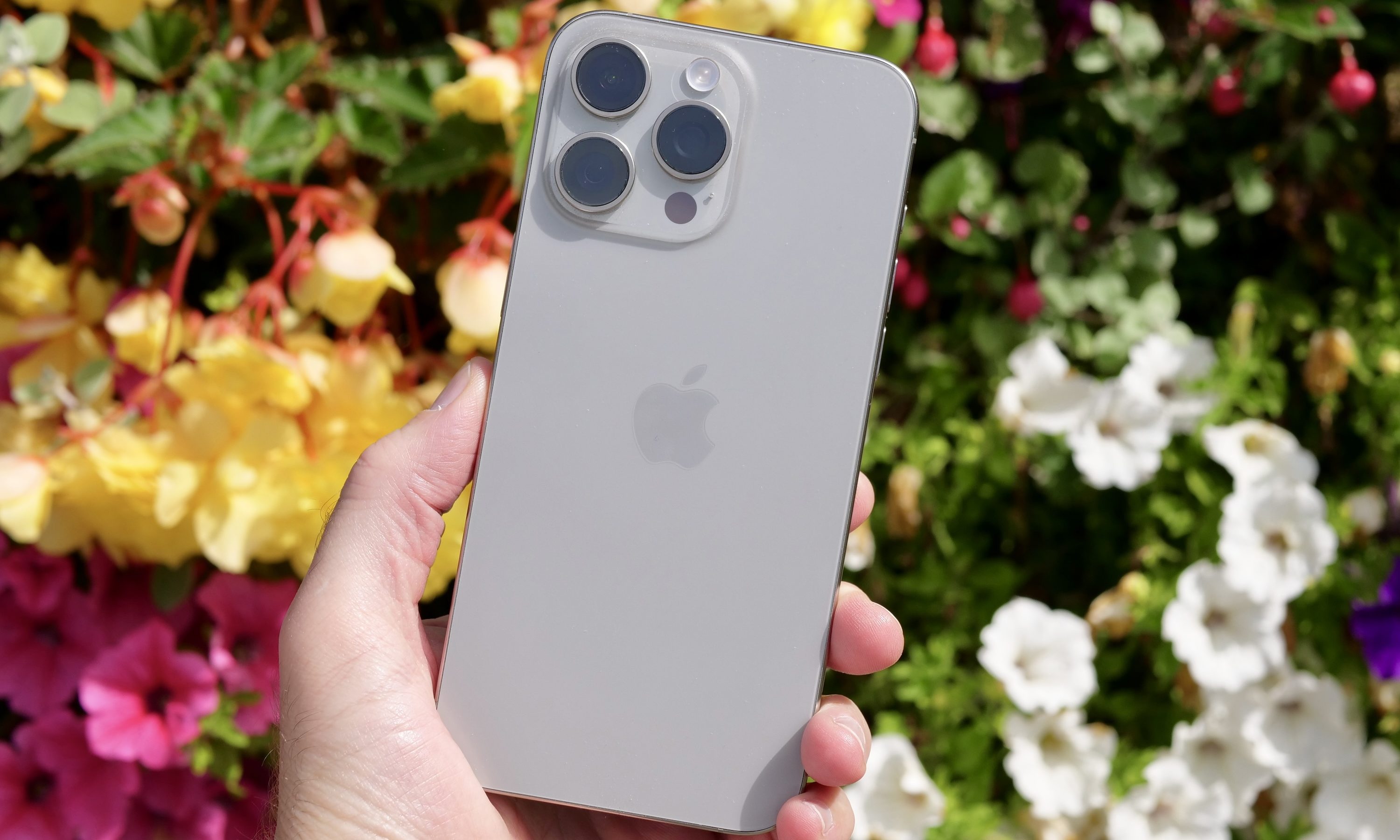
Of course, the reason for this new cooling tech could be simpler than that. We saw in our tests of the iPhone 15 range that the phones would sometimes overheat, and users were still finding the same thing months after launch.
Removing more heat might just be a necessity as Apple’s phones try to pack in more functionality to keep users interested.
Vapor chamber cooling is often used in higher-performance phones, where the need for cooling outweighs the extra bulk and cost – so that also suggests the new iPhone Pro range could be in line for a cost bump too.
The fact that Apple hasn’t taken this route so far suggests that it’s been waiting for the technology to fall in cost or increase in robustness to the point where it can be integrated.
The tech giant will be especially wary of letting rivals steal too much of a march with this kind of solution too – Samsung’s been using the technology for over half a decade, and has been improving the performance of its vapor chamber so much that it’s even been able to fit this chunkier tech into the ultra-slim Galaxy S25 Edge.
So when Apple does launch the iPhone 17 Pro and Pro Max, likely in September, keep an eye out for mention of the new tech if Apple starts talking about the ‘incredible gaming experience’ or ‘unparalleled video recording technology in a smartphone’. It wouldn’t be a surprise to see Apple make a big deal of this tech on stage, especially if combined with the announcement of enhanced video, gaming or other functionality that will ramp up the power needs.