The American Heart Association just released its 2025 Heart Disease and Stroke Statistics Update report with some critically important stats. It mentions that heart-related diseases, which are on an upward trajectory across the globe, are the leading cause of death in the U.S.
The findings, which have been published in the Circulation journal, note that thousands of people die of cardiovascular disease in the country each day. The toll is so high that heart-related deaths account for more than the combined number of cancer-related and road accident casualties.
The report also highlights the rise in related kidney disease cases, both in the U.S. and worldwide. Here are some other stats with links to the heart woes of Americans, as detailed in the 620-page report:
- High blood pressure affects nearly 47% of U.S. adults.
- Nearly 42% of U.S. adults are obese, and more than 72% fall into the unhealthy weight class. For children, those numbers stand at 40% and 20%, respectively.
- Roughly 57% of American adults are living with Type 2 diabetes or pre-diabetes.
So, how exactly can the best smartwatches play a role in such a grim situation?
“They can play a complementary role as tools that encourage and help track healthy habits such as physical activity, heart rate during activity, and sleep habits in several ways: to the extent such tools are actively and accurately providing ‘health insights’ as part of the data collection/dashboarding, patients/individuals can become more aware of their health/body and the things that drive the outputs from these wearables,” Eduardo Sanchez, M.D., FAHA, Chief Medical Officer for Prevention for the American Heart Association, tells Digital Trends.
How can smartwatches assist?
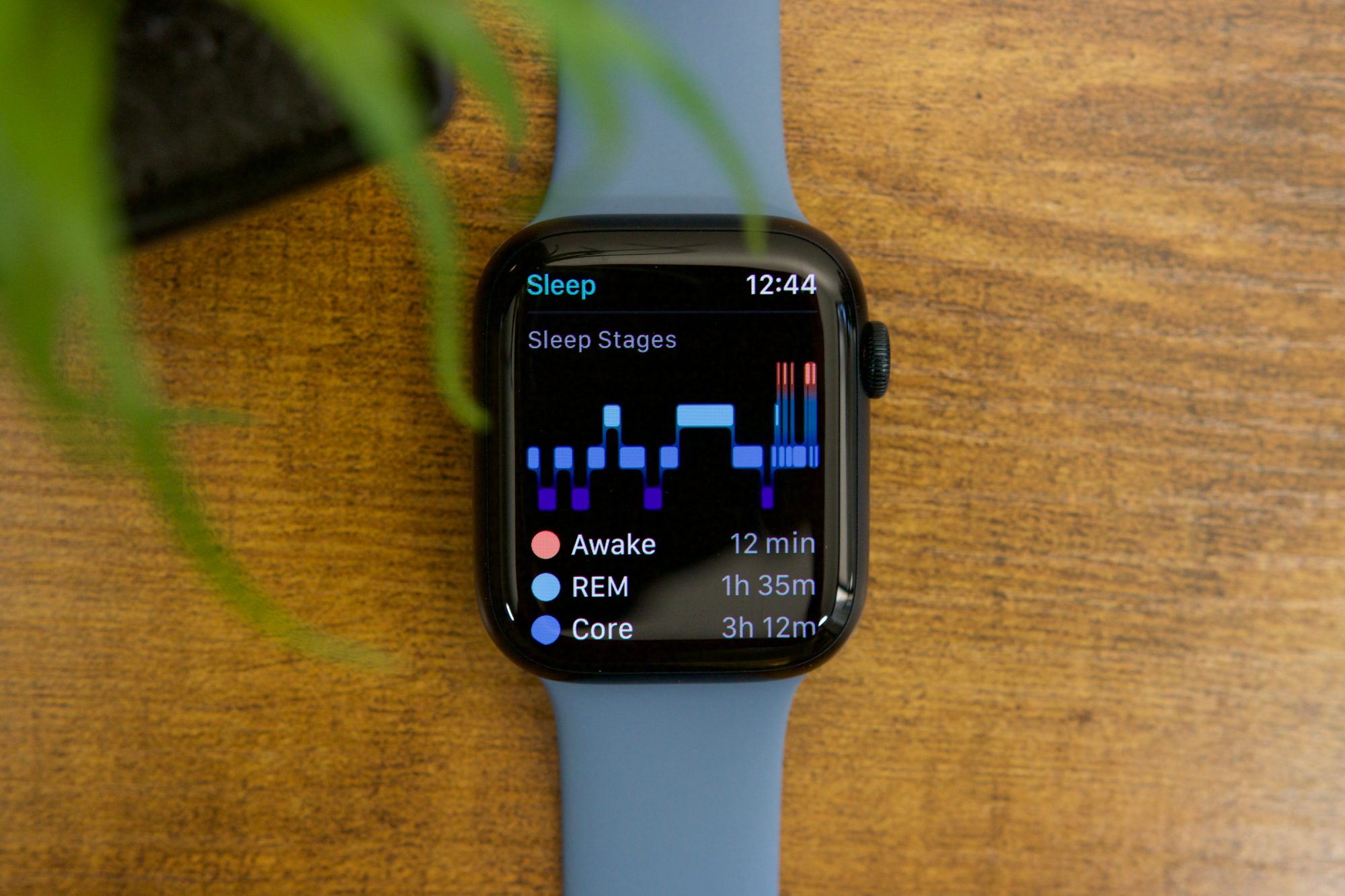
Notably, at multiple points in the comprehensive report, experts mention the role and impact of wearable devices in alleviating the burden of cardiovascular health (CVH) and related deaths. For example, as part of the AHA’s updated Metrics for Measurement and Quantitative Assessment of CVH, doctors suggest using sleep data provided by wearable devices.
A majority of smartwatches — and even smart rings out there — can provide a detailed breakdown of an individual’s sleep habits. For example, the Apple Watch can offer a breakdown of REM, Core, and Deep sleep stages. And so can the latest watches from Samsung and Google.
The Apple smartwatch, for example, also shows a sleep history and ties it with corresponding heart rate and respiratory rate data. You can find technical details about Apple’s methodology here. Next, we have sleep apnea, which affects hundreds of millions across the world and ties into the pattern of poor sleep affecting cardiac health.
Samsung’s smartwatches have already received clearance for sleep apnea detection, and Apple is rumored to serve that feature soon. A dangerous condition on its own, the latest report also cites diverse research linking sleep apnea with serious blood pressure and cardiovascular problems, such as Atrial Fibrillation.
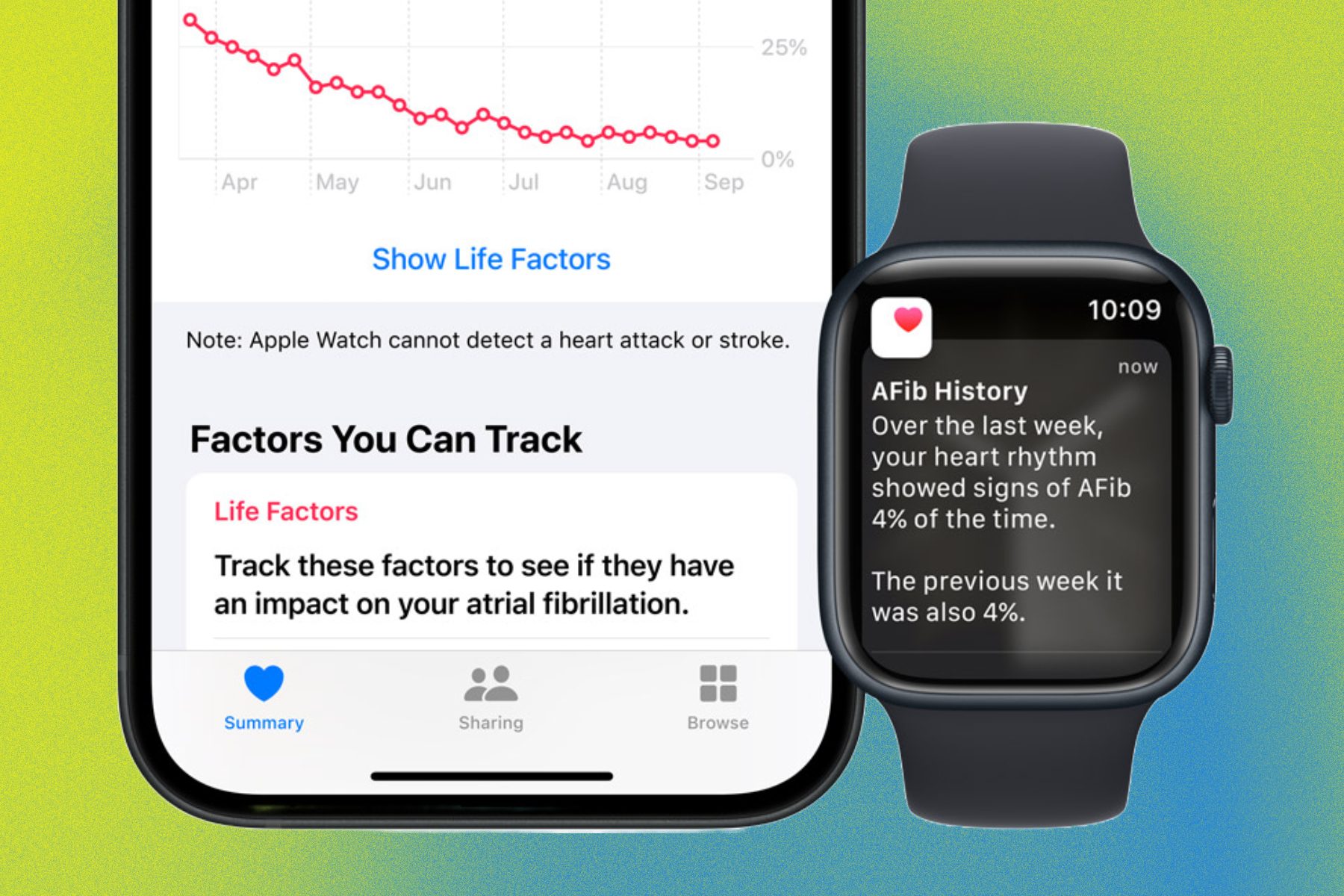
Notably, the smartwatch players have made brisk progress in the aforementioned niches, as well. Apple was the first to bring an AFib warning facility to mainstream smartwatches. Samsung and Fitbit have also received regulatory nodes for offering AFib detection on their respective smartwatches.
“For the masses, who lack proper knowledge of cardiac and respiratory issues, I would still recommend commercially available devices such as the Apple Watch,” says Dr. Ahmad Ghayas Ansari, DM (Cardiology) at the Sree Chitra Tirunal Institute for Medical Sciences and Technology.
“A good thing about this approach is that all the data is recorded and you can directly share it with your treating physician or consulting doctor. It saves crucial time and opens record-keeping avenues for future reuse,” he adds, citing his own experience with using a mass-market ECG device to keep an eye on his mother’s heart health.
Fixing sedentary behavior
A sedentary lifestyle is an open invitation to ailments, heart illnesses being just one among them. The latest AHA report, citing a meta-analysis of over a dozen peer-reviewed research papers, mentions that a sedentary way of life is “associated with an increased risk of fatal cardiovascular diseases.”
One study from Taiwan, which had nearly half a million participants, pointed out that users who spend more time sitting at a desk had a 34% higher chance of contracting cardiovascular diseases.
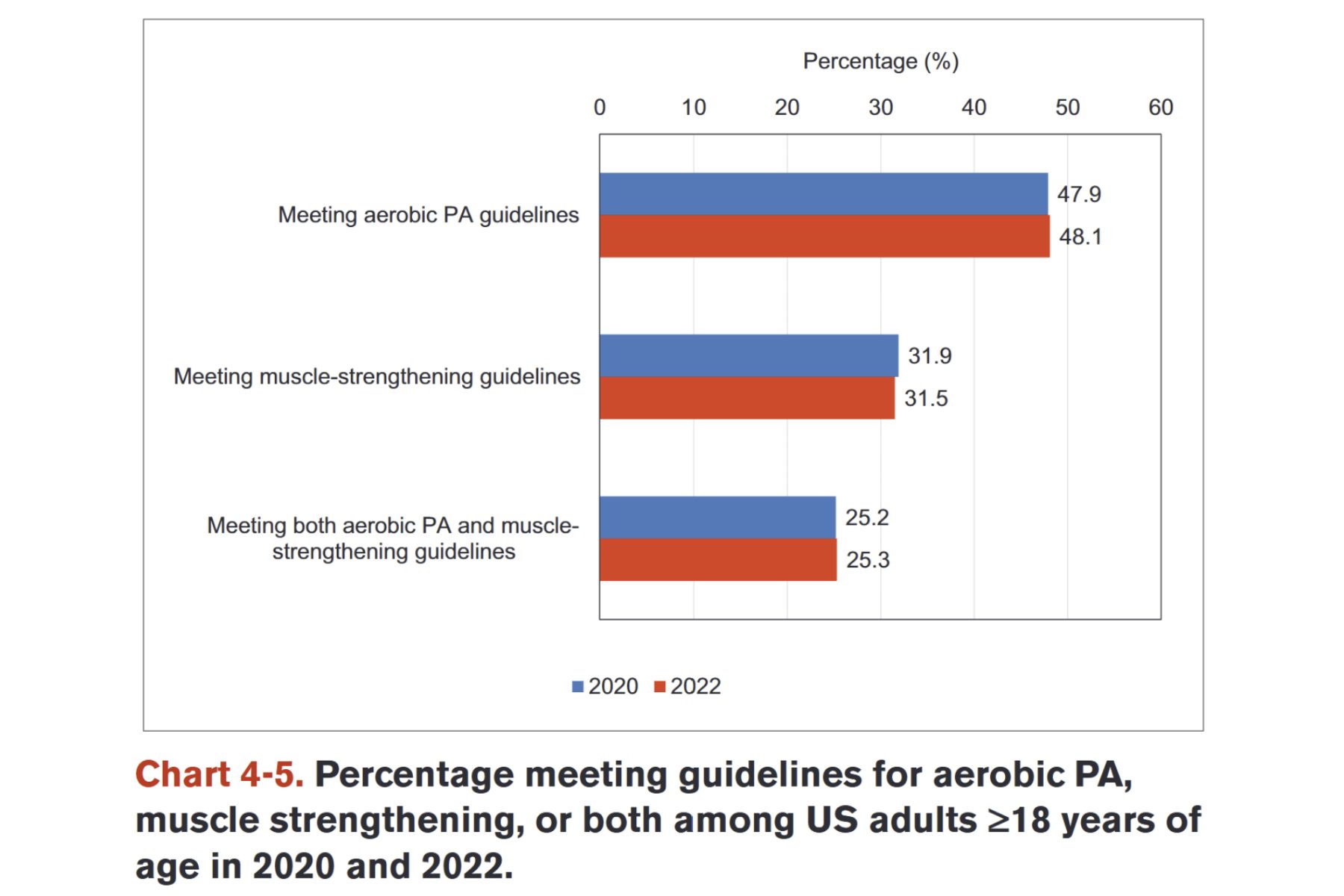
Conversely, over two dozen studies have cleared that increasing the intensity of physical activities can significantly improve cardiovascular health, lower the risk of vascular cognitive impairment, and deliver cardiometabolic health benefits.
Citing the National Health and Nutrition Examination Survey’s data, the report says if adults over the age of 40 years increased their moderate to intense-level physical activity by merely 10 minutes per day, roughly 110,000 deaths could be averted annually.
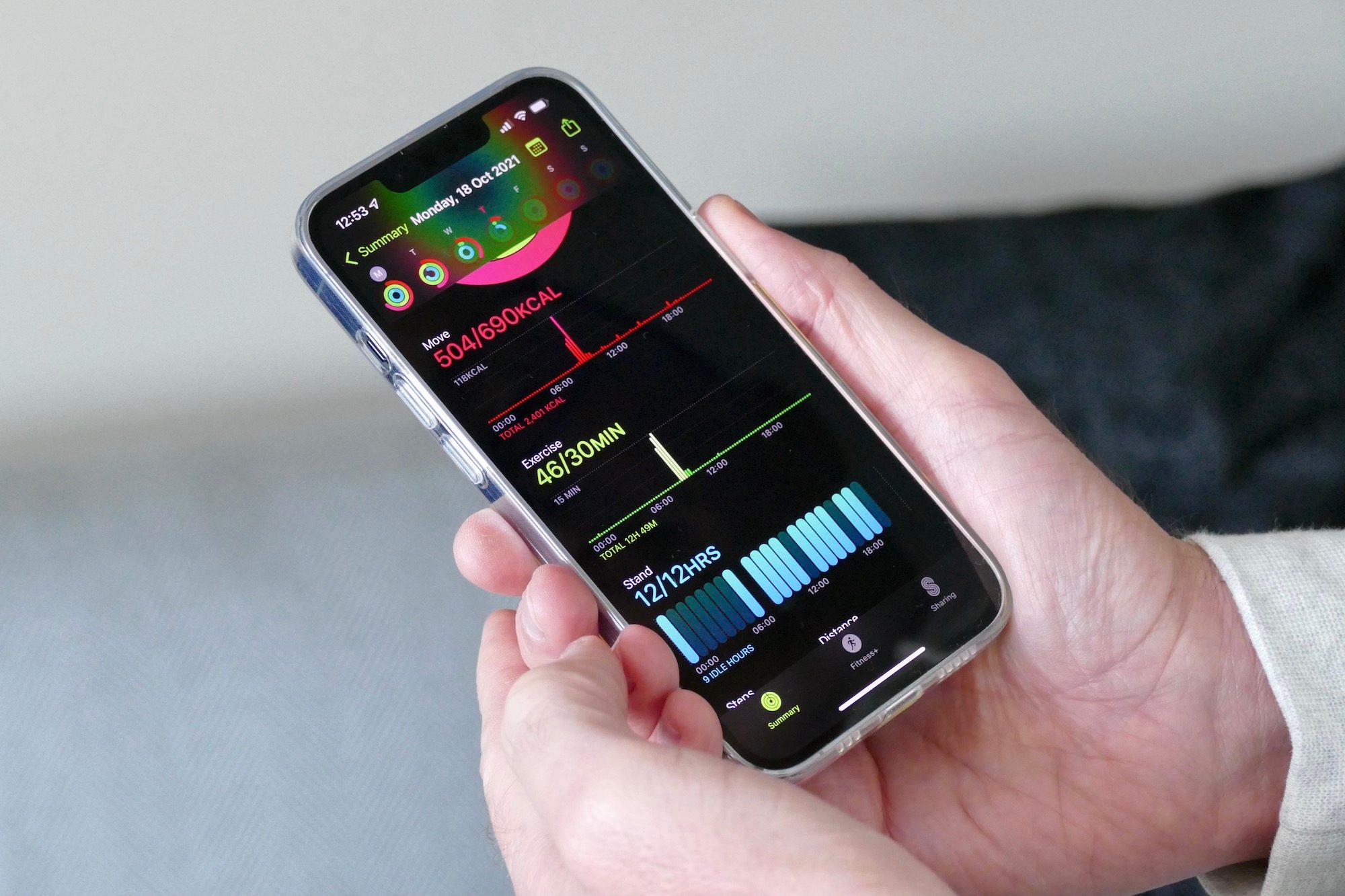
Smartwatches and other mass-market wearables can help us change physical activity patterns in ways more than. For starters, one should follow the Stand Reminders on the Apple Watch, which periodically reminds users to stand up if it detects them sitting for the better part of an hour.
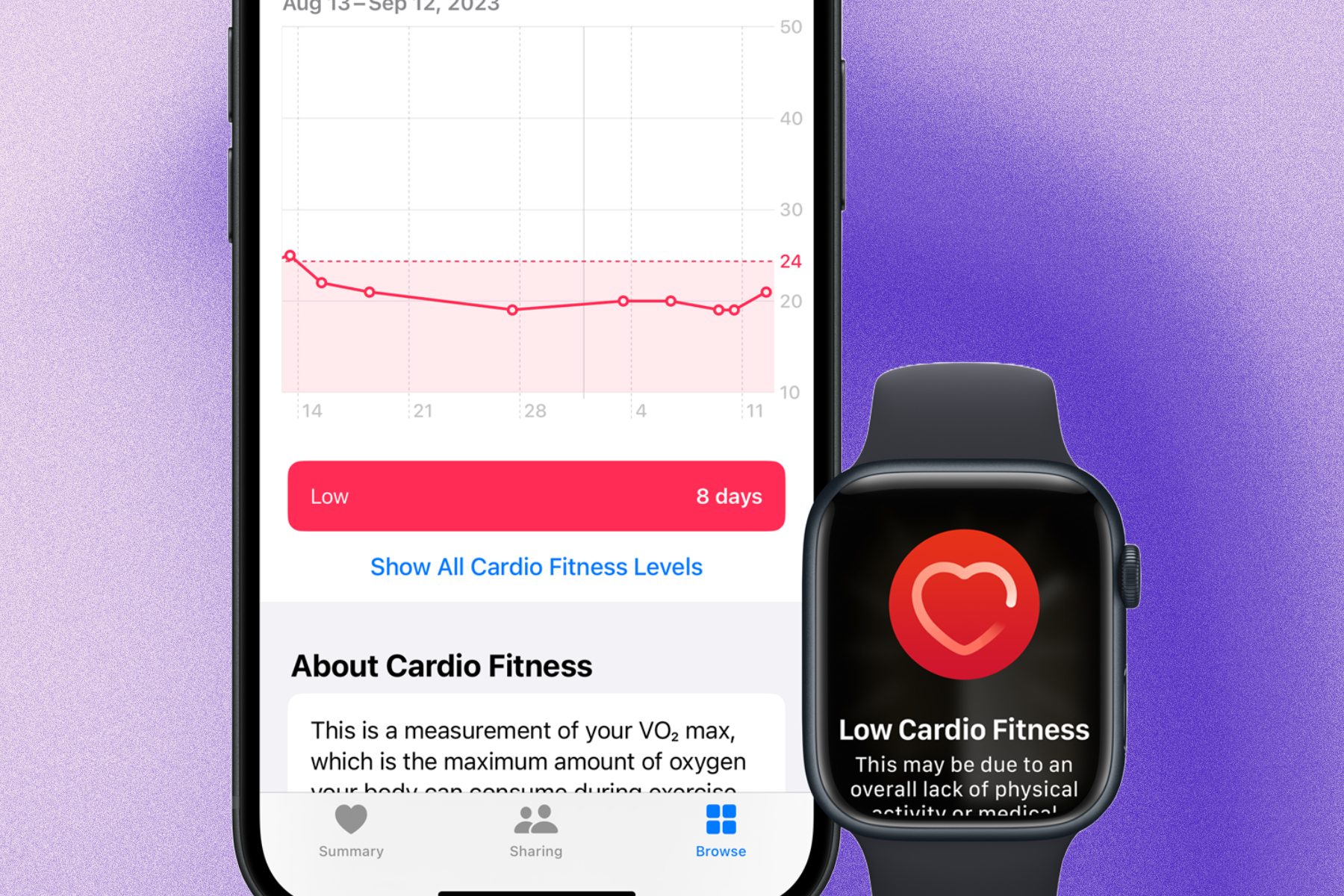
Similar inactivity reminders can also be enabled on Samsung’s Galaxy and Google’s Pixel smartwatches. Third-party apps are also available for watchOS and Wear OS devices. Of course, if you’re engaged in a more active lifestyle, a majority of smartwatches out there offer activity recognition for a wide range of workouts.
You can partake in paid fitness programs, or just sign up for subscription-based products such as Apple Fitness+, bringing an entire fitness regimen and guidance to your wrist-worn wearable.
Sleep, obesity, and nutrition
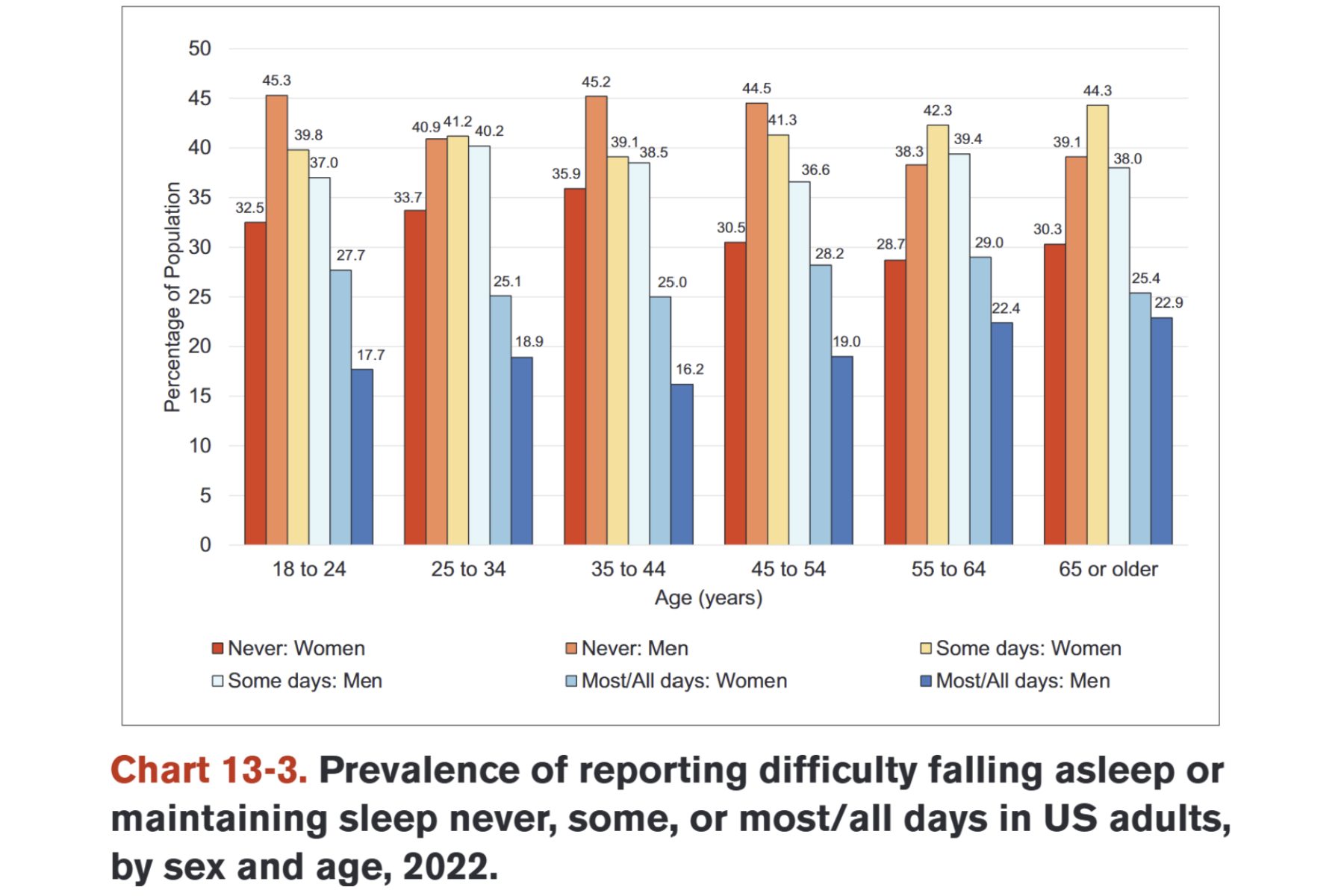
Research conducted across the US, Europe, and Asia has given clear signs that poor or inadequate sleep increases the risks of cardiovascular diseases. Moreover, restful sleep was associated with a lowered risk of myocardial infarction.
As per a study conducted in the UK, even a single point improvement in the sleep score was linked with lowered chances of heart failure. Sleep apnea also appeared in the research work conducted over the past couple of decades, especially its ties with hypertension, recurrent myocardial infarction, and hospitalization due to heart failure.
Sleep often goes unreported as a less serious problem, but as per 2018 estimates, healthcare costs owing to sleep disorders alone accounted for roughly $94 billion in direct healthcare costs.
Dr. Arif Waqar, a resident doctor with expertise in heart health, tells Digital Trends that if a patient can share detailed data about their sleep history and heart activity, we can easily spot the irregularities and get a better understanding of their health situation.
“It’s a matter of awareness. If you have all that valuable data, leverage it,” he adds. Indeed, smartwatches can deliver a valuable bank of information that can help medical professionals make more informed decisions.
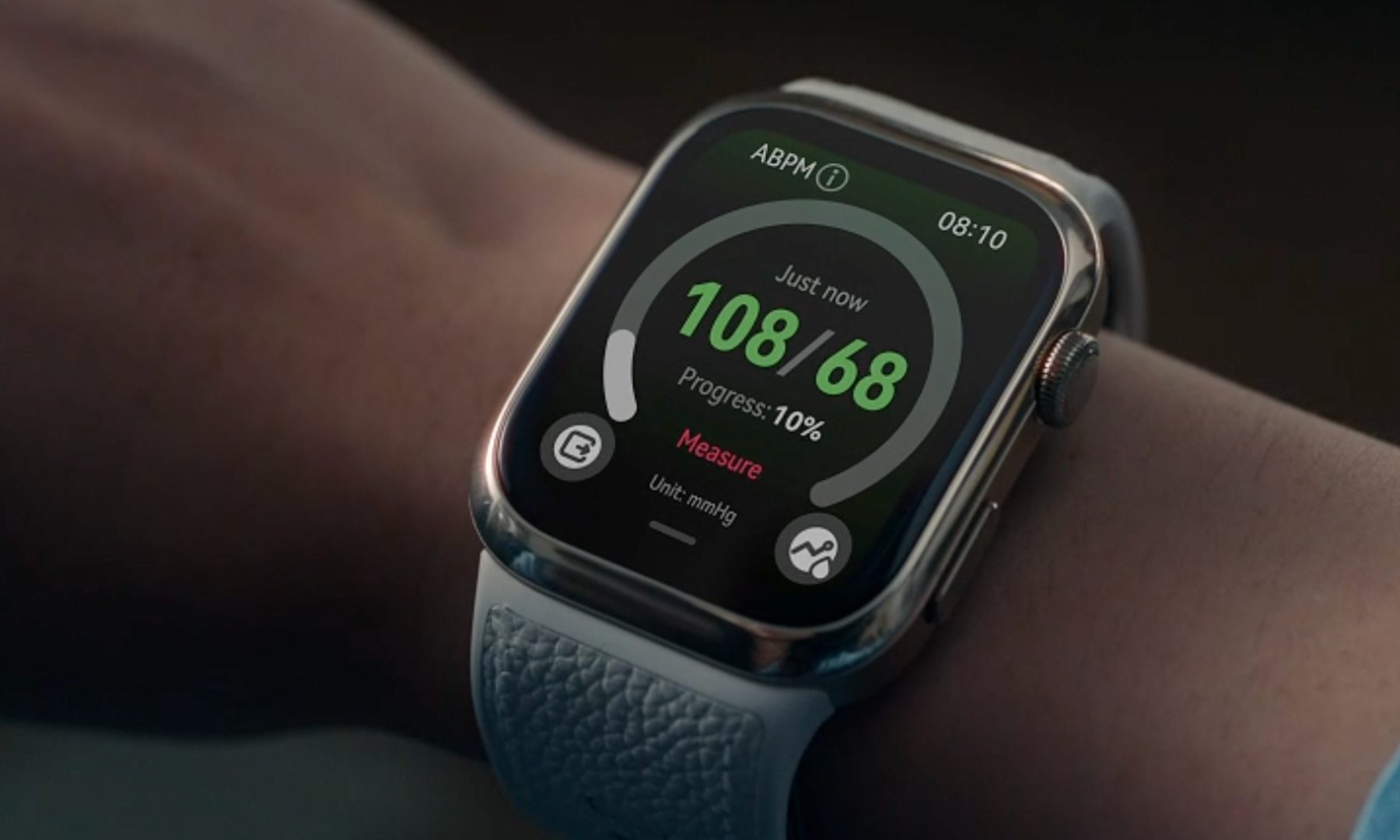
Obesity, nutrition, and blood pressure are some of the other crucial factors that are tied to heart health. Save for a few exceptions like the Huawei Watch D and the Samsung Galaxy Watch, most smartwatches can’t do much for the aforesaid woes.
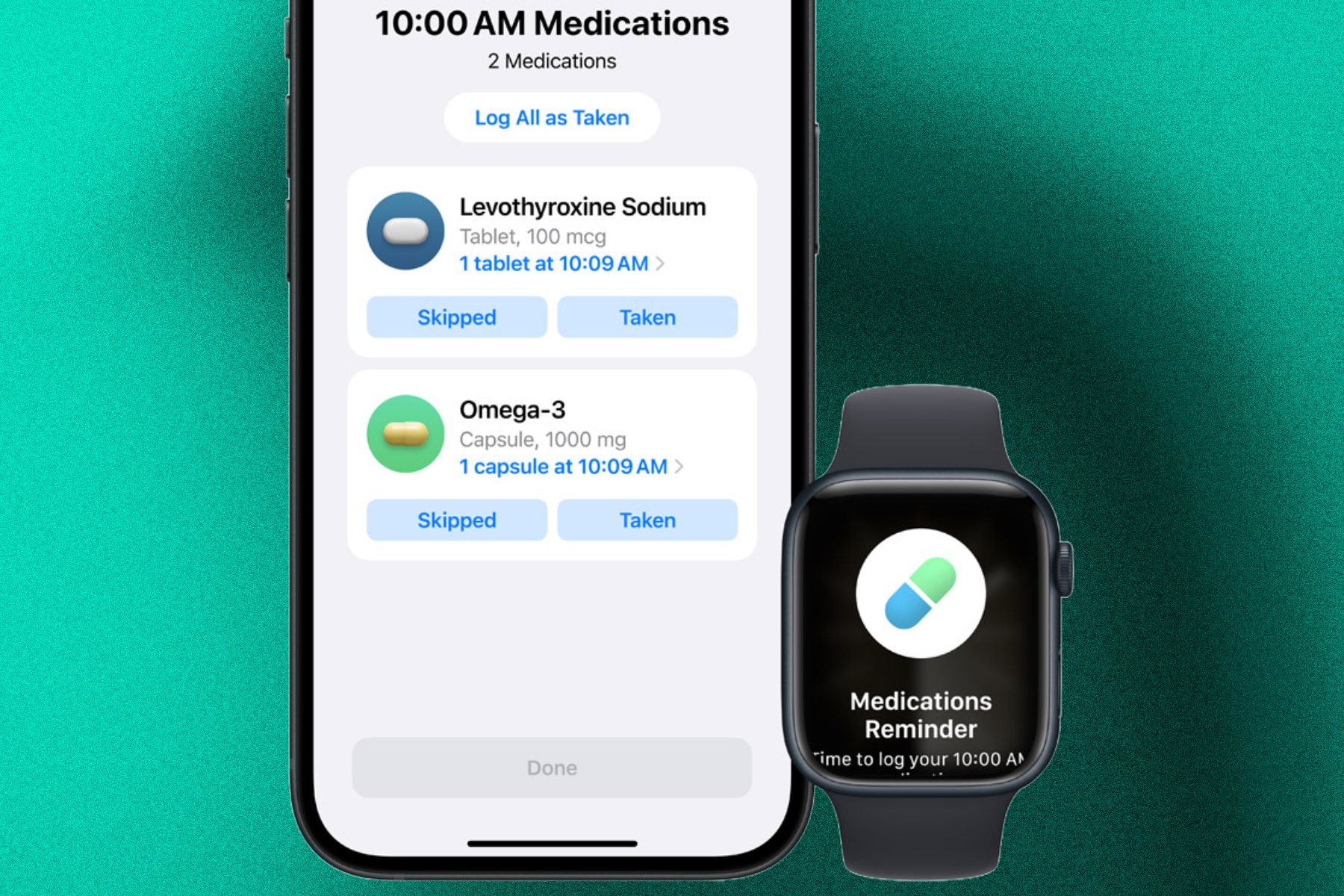
They, however, offer companion apps and dashboards where users can log their food and medicine intake, as they move forward with a healthy food intake route. For example, one can use the Apple Medications app to keep track of their medicine intake progress.
What is crucial, however, is sharing the data with a medical expert, a mistake that a majority of smartwatch users appear to be making. “If patients are monitoring their blood pressure at home and notice it’s been going up over time, they may want to discuss it with their doctor sooner rather than waiting for their annual visit,” explains Dr. Laxmi Mehta, an expert in heart diseases.
“Or they may capture some irregular heart rhythms on their devices, like atrial fibrillation, much sooner than would be diagnosed at the doctor’s office,” adds Dr. Mehta, who currently serves as the Director of Preventative Cardiology and Women’s Cardiovascular Health at the Ohio State Wexner Medical Center.
Dr.Sanchez also shared similar sentiments. “We can trust these devices at this time to help physicians and other clinical team members to nudge their patients to take an interest in adopting healthier habits and use the devices to track their activity, he tells Digital Trends.
What experts say

Heart health issues are on a worrisome upward trajectory, but timely intervention and a vigilant eye using the wearables at our disposal can yield positive results in the long run. At least medical experts are positive about the innovations and their impact.
Of course, there is always the standard line of caution, especially when it comes to putting too much trust in these wearables. “These devices allow such data points to be readily shared with healthcare professionals, that may complement traditional in-office/clinical data. The goal is for the wearable to compliment, not replace, the information that patient is receiving from their healthcare professional,” warns Dr. Sanchez from the American Heart Association.
“More diagnostic and disease management use of these devices is promising and but must be rigorously tested for safety and effectiveness. We need to be able to trust that the devices not only provide accurate data, but also that they provide timely, actionable feedback to the individual in a manner that they will understand,” he adds.
An Apple Watch saved my colleague’s life following a heart attack in the prime of his youth. A smartwatch just might save yours, next!