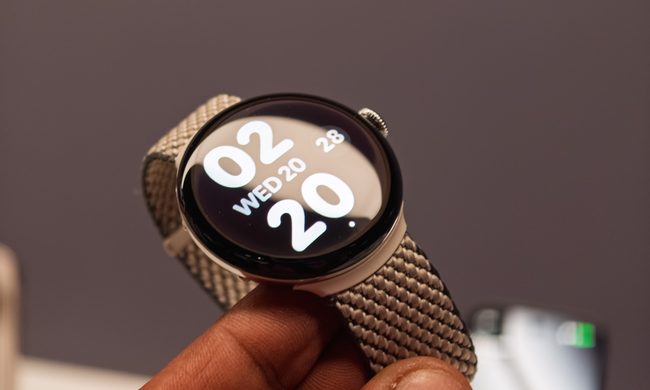
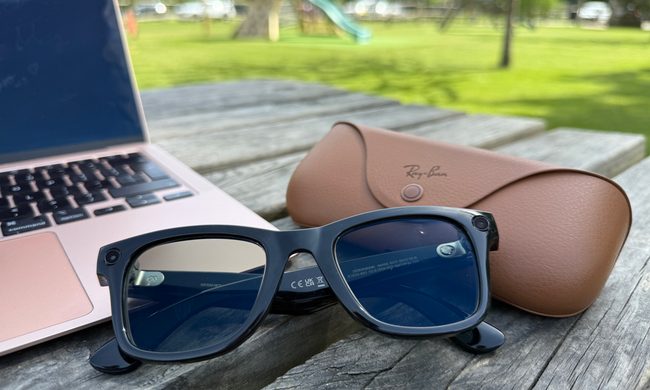
Unnamed sources claim that Intel will close its New Devices Group despite sinking several hundred million dollars into the division. Originally launched in 2013, this section of Intel dealt with wearables such as smart glasses and fitness trackers. But the devices reportedly never made an impact on the wearables market, and much like Intel’s failed attempt at streaming TV, the company may be bailing out of the wearables business altogether.
Insiders say that layoffs from the Group may be possible. Around 200 people worked in the wearables division in early 2018, which was valued at $350 million as of February. That’s a steep drop from the 800-people crew that was reported in 2016. The remaining 200 employees will either transition to other positions within the company, or face layoffs.
A former Intel executive suggests that the company is simply having trouble moving outside of its comfort zone of processors. After all, Intel resides at the top of the processor market with its Core, Xeon, and Atom chips for desktops, servers, workstations, and mobile. McAfee is a good example of its comfort zone woes: Intel purchased the security firm for more than $7.6 billion in 2011 and then sold a majority of the division (51 percent) to buyout firm TPG for $4.2 billion in 2016.
The New Devices Group was originally spearheaded by Michael Bell, corporate vice president and general manager of the Mobile and Communications Group for Intel. He previously worked at Apple from 1991 to 2007, and then moved on to serve as senior vice president of product development at Palm from 2007 to 2010. According to Bell, his new group would “really push to make the wearables dream become a reality.” Bell departed from Intel in 2015.
Intel’s wearables success seemed guaranteed. Intel Capital division invested in heads-up displays for sports maker Recon Instruments in September 2013, and then outright bought the company in June 2015. Intel also teamed up with Oakley to fuse premium, luxury, and sports eyewear with smart technology. Let’s not forget Nixie, the first wearable camera that can fly.
But in June 2016, Intel was forced to recall its Basis Peak watches due to overheating. Intel initially distributed a software update to address the problem, but ultimately couldn’t fix the unfixable, issuing a recall. That was a major setback after acquiring Basis Science, creator of the Basis band, in March 2014. The purchase was to accelerate Intel’s wearables products focus.
By November 2016, Intel insiders claimed that the company planned to let go of a large portion of its New Devices Group workforce, and perhaps even close the division altogether. Eventually, workers were apparently either moved to other departments or let go from the company. Many projects were shut down around June 2017 while Intel finally relocated the majority of its smartglasses developers during the last several months.
“Intel is continuously working on new technologies and experiences. Not all of these develop into a product we choose to take to market. The Superlight project is a great example where Intel developed truly differentiated, consumer augmented reality glasses,” a spokesperson said. “We are going to take a disciplined approach as we keep inventing and exploring new technologies, which will sometimes require tough choices when market dynamics don’t support further investment.”