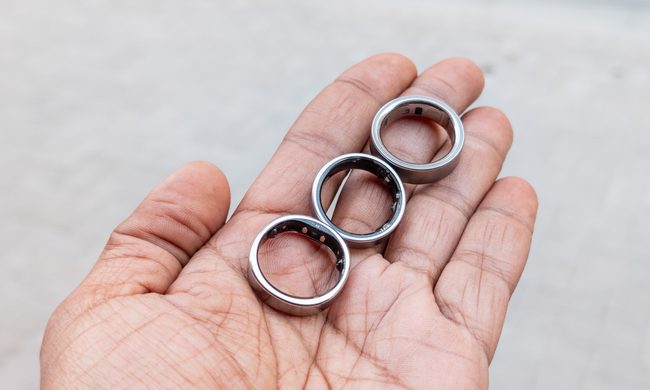
The iPhone 17 Pro will bring a more versatile flavor of wireless charging. One that not only allows topping up the phone’s internal battery pack, but will also allow accessories — such as earbuds, smartwatches, or even another iPhone — to draw power in wireless mode.
As per a fresh leak coming out of China, the iPhone 17 Pro will be able to charge other devices via reverse wireless power transfer. If the rumor turns out to be true, Apple would essentially fix an oversight that it hasn’t addressed across its smartphone portfolio launched within the past half a decade.
By the time Apple launched the iPhone 12 with MagSafe wireless charging tech, a regulatory filing had spilled the beans on a rather exciting feature. The documents mentioned support for wireless power transfer (WPT), which would technically mean the phone would support two-way wireless power exchange. More patent filings were spotted in 2022, but nothing ever materialized.
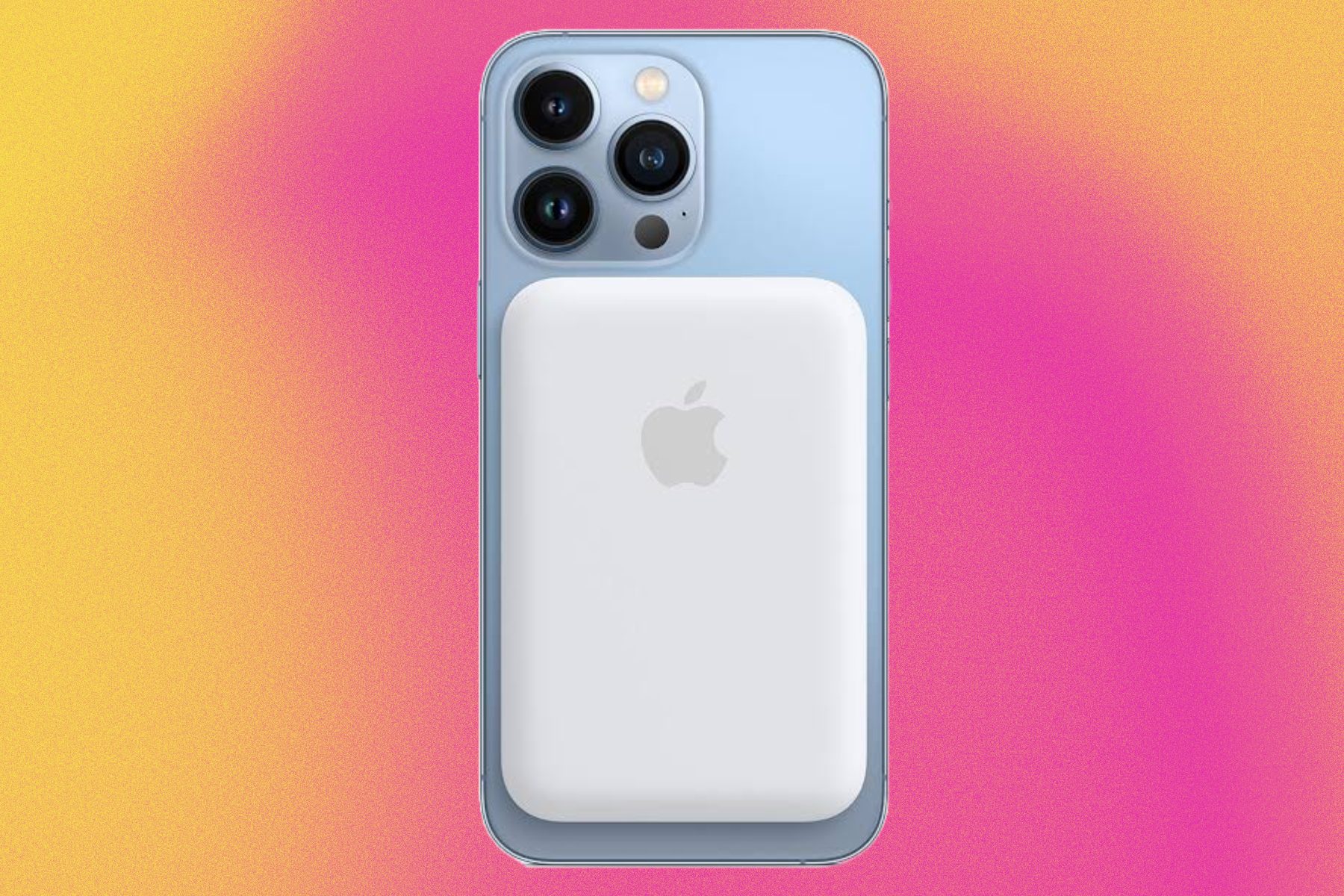
Charging another device by pulling juice from the phone’s battery was indeed possible across the iPhone 12 series, but only if you bought one of Apple’s MagSafe wireless power banks. Unlike Samsung phones, which can charge wireless gear such as earbuds via wireless power transfer, Apple never offered that convenience. Not even for its own ecosystem of products.
The upcoming flagship phone from Apple might fix that mistake. As per leakster Instant Digital, Apple has reportedly tested 7.5W wireless power transfer on the iPhone 17 Pro. That’s half the peak wireless transfer rate currently allowed for Qi2-certified wireless charging devices.
Technically, Apple could have implemented this feature years ago and done it better than rivals. For example, Samsung’s latest Galaxy S25 series phone can reach the peak Qi2 wireless power transfer rates, but they lack magnets above the wireless charging coil.
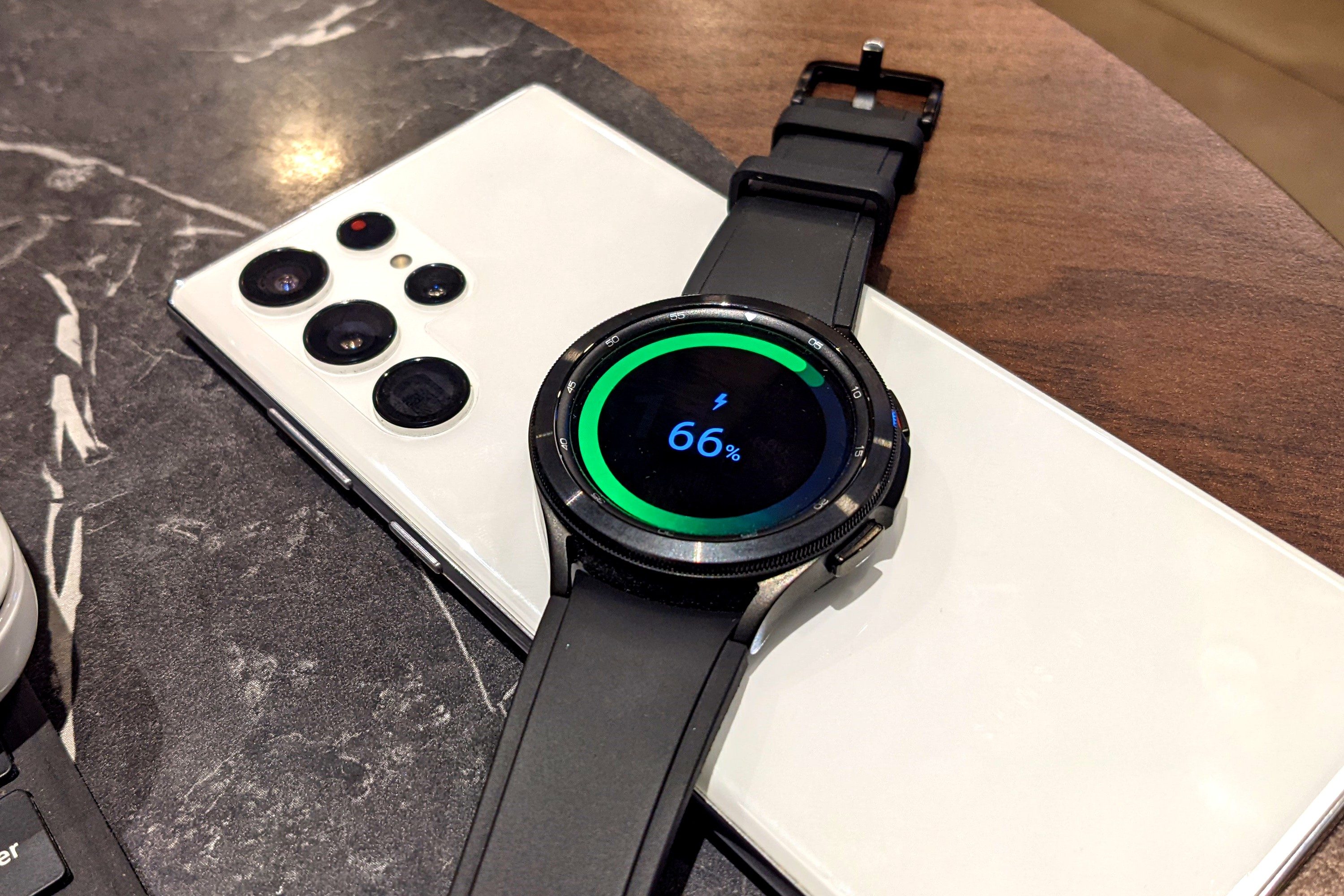
As a result, whatever device you place atop the rear panel, it tends to slip off, unless the surface contact is flat between each device. I loved the convenience of charging my Galaxy Watch by simply placing it atop the Galaxy S22 Ultra, but I had to keep the two in a spot where they can rest still due to the bulging biosensor assembly on the smartwatch’s underside. Wireless earbud cases, on the other hand, worked just fine.
Apple’s smartphones have had a magnetic ring that can technically allow a more secure power transfer experience for years now. If Apple had enabled reverse wireless power share for its ecosystem of devices, the experience would’ve been much better than any of its Android rivals.
Look no further than the neat wireless power transfer system between the Apple Pencil and iPads, which also involves magnetic bonding between the two devices so they don’t slip off and remain locked in place. It would be interesting to see how Apple implements reverse wireless charging on the iPhone 17 Pro, assuming it happens in the first place, later this year.