
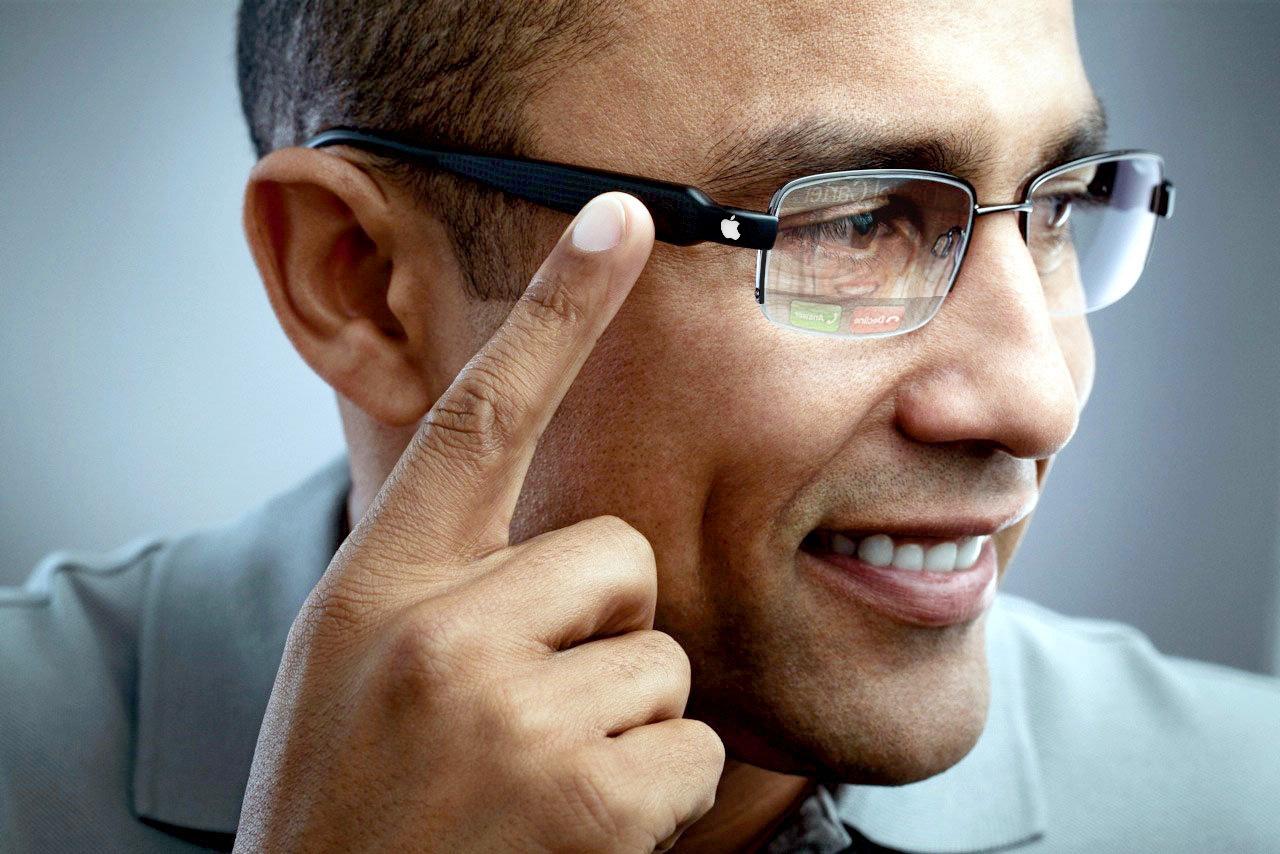
Thanks to Tim Cook’s remarks about the wrist on Tuesday, anticipation for a so-called iWatch reached a fever pitch this week. Since Apple is clearly paying attention to wearable tech, I thought it would be interesting to see how Apple would approach a different opportunity: connected glasses. I’m not saying Apple will actually produce any in the near term – we’re far more likely to see that watch first – but let’s speculate on how Apple would compete with Google Glass.
Glassholes
Google is an engineering-led company; it tosses a lot of products out in the market, listens to feedback, and modifies the products over time (or abandons them as failures, as often the case has been). Google Glass followed this formula by debuting as a very raw offering, earning it a pretty bad reputation before it was truly ready for prime time. Glass users are derogatively referred to as “Glassholes” which is hardly a term of endearment, or one that suggests high status. That’s a reputation that may keep all but the geekiest customers from buying the final version.
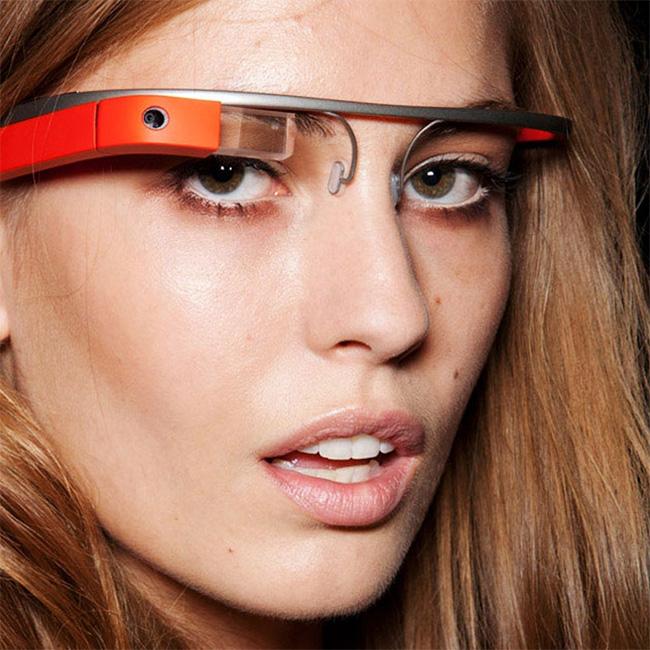 Google’s ultimate goal as a company is to categorize information and serve up ads. Glass is designed to do both, while also doing some things users think is interesting, like allowing them to read and respond vocally to email hands-free through the projected display. Google isn’t very focused on security, which is why Glass has already been hacked, and why many companies have apparently already issued policies banning them for employees. Not surprisingly, the idea of a camera on an employee’s head that can live stream whatever that employee sees upsets some security folks.
While Google’s release-and-refine process gets product into customers’ hands quickly, selling such a crude product also subjects it to a lot of scrutiny at a vulnerable phase.
Apple iGlass
Apple’s approach as a company is very different. Its team won’t let a product out before designers believe it is ready. This allows them to craft the best first impression possible, right out of the gate. When the product arrives, it’s polished, and more exclusive.
Apple’s insistence on tightly controlling its products naturally makes them more secure, and the company takes potential security concerns more seriously. Apple would be less likely to put a camera on its glasses, or would at least provide visual notification for when the camera was operating. Otherwise, Apple would have to ban its product from its own campus.
For Apple, the success of Android is a cautionary tale that shows Google can sometimes get things right enough.
This suggests that iGlass is likely years off, but when it arrives, it will be better looking and backed by stronger services and experiences than Google’s offering, which is very likely to have died off in the meantime.
Doing it fast vs. Doing it right
This assessment doesn’t mean that Google can’t still lock up the market. The company has generally proven highly capable with Web services, and there is an inherent advantage to being first. If it can survive the painful birthing process, Google could own the market far before Apple is ready to enter. For Apple, the success of Android is a cautionary tale that shows Google can sometimes get things right enough.
Apple glasses would likely be far more elegant and far less risky, but I’m starting to wonder if Tim Cook’s Apple can execute at that level any more. Steve Jobs’ Apple proved it could build a better product late in the game, but the jury is still out on whether that can still happen today. The Apple smartwatch expected later this year will very likely give us an answer. Until then, watch out for all those damn Glassholes! Who knows what those cameras are catching, and who is watching them. I suggest you be on your best behavior.


