1. Home
  2. Computing
  3. News

Intel announces Optane hard drives powered by 3D XPoint technology

Add as a preferred source on Google

In late July, Intel revealed an all new storage technology called 3D XPoint that promises a revolutionary leap forward in performance. While the company did not give many details about the new hardware, it did say 3D XPoint is not based on any existing solid state drive technology, and may provide speeds up to 1,000 times greater than any current SSD.

Obviously, such an announcement left us with as many questions as answers. Thanks to the Intel Developer Forum keynote in San Francisco, we now know another piece of the puzzle – how Intel plans to roll out 3D XPoint to customers.

Recommended Videos

It will do so under a new brand, Optane, and the product will become available sometime in 2016. Surprisingly, Intel said that the brand will range from “datacenters to ultrabooks.” When 3D XPoint was first announced, it seemed as though it might only come to high-end enterprise systems first, then trickle down to consumers. This latest announcement, though, indicates consumers will be able to experience the new drive technology sooner rather than later.

To demonstrate the performance of Optane, Intel put it up against the company’s own P3700, a data center drive that’s similar to the enthusiast-oriented 750 Series. While the P3700 is ridiculously quick, the demo Optane drive blew it away in Input/Output Operations per Second (IOPS), a key measure of drive performance, offering up to seven times the performance.

Unfortunately, IOPs is not a particularly relevant benchmark for consumers, as it’s a raw measure of operations a drive can handle. Consumer PCs don’t typically encounter workloads of that type. Random access times and sustained read/write bandwidth are more important to most PCs, and unfortunately Intel didn’t demonstrate either. That doesn’t necessarily mean 3D XPoint is slow in those areas, but it may indicate that the new technology IOPS performance is its standout trait.

We now have name, and an indication that Intel will bring 3D XPoint to all levels of the market next year. The company remained silent on the details of the architecture, pricing and launch windows. That’s understandable given how far out the drive is – we probably won’t hear specifics until CES 2016, and even that may be early.


Matthew S. Smith
Matthew S. Smith is the former Lead Editor, Reviews at Digital Trends. He previously guided the Products Team, which dives…
Gemini in Chrome can now see exactly what you’re looking at on screen
Google's new "Select from screen" tool makes it easier to ask Gemini questions about text and images in a browser tab.
Google Chrome Gemini Featured

Google is making Gemini a lot more aware of what's happening inside Chrome. The company has started rolling out a new "Select from screen" feature that lets users highlight specific text or images from a webpage and send them directly to Gemini, making conversations with the AI assistant far more contextual.

Gemini can now focus on exactly what users want to ask about

Read more
Microsoft’s new Surface PCs are cheaper — but there’s a catch
Cardboard, Box, Carton

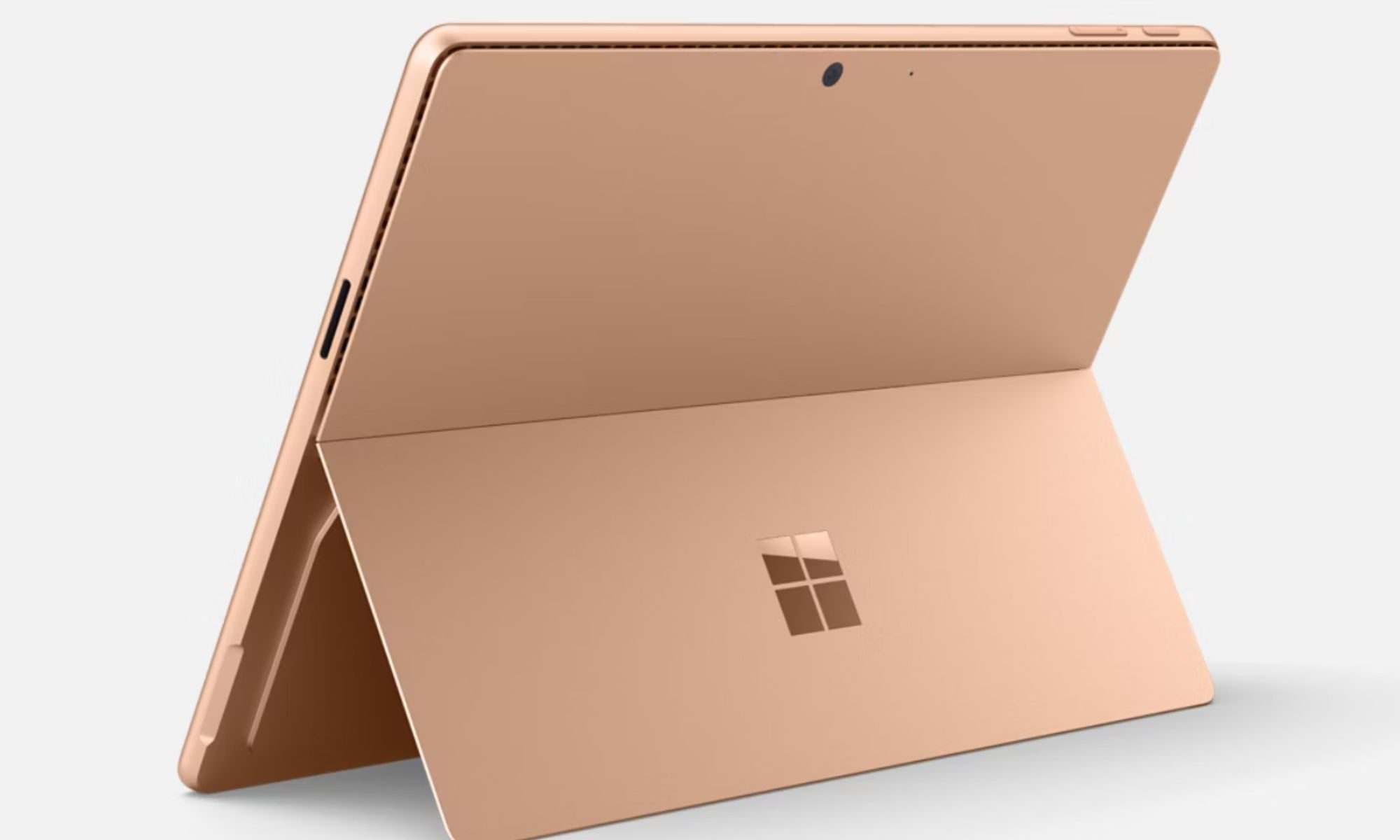
The tech industry’s favorite balancing act is getting harder by the month. Component prices are rising, memory costs refuse to settle down, and laptop makers are scrambling to keep sticker shock under control. Microsoft’s latest Surface refresh feels like a direct response to that problem.

The company has introduced new entry-level versions of its 12-inch Surface Pro and 13-inch Surface laptop, offering lower starting prices without changing the processor or storage. On the surface, that sounds like good news for budget-conscious buyers. Dig a little deeper, however, and you’ll find a compromise hiding in plain sight.

Read more
A new supercomputer has dethroned the U.S — here’s why it matters
Crowd, Person, Architecture

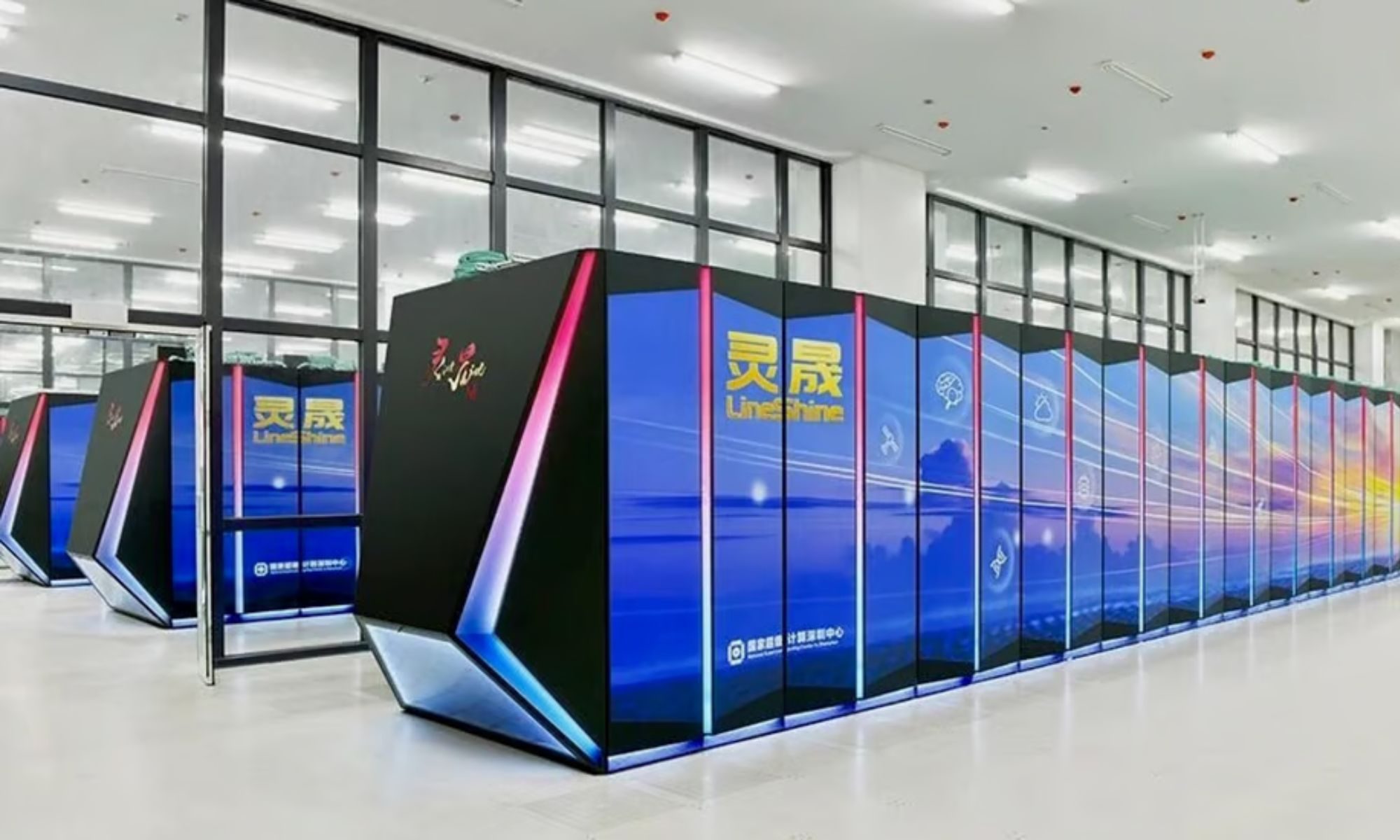
The race to build the world’s fastest supercomputer has been dominated by the United States. Now, China has stormed back into the lead. A newly ranked system called LineShine has claimed the No. 1 position on the latest Top500 list, a closely watched ranking of the planet’s most powerful supercomputers. The machine, located in Shenzhen, pushed past the U.S. government’s El Capitan system and became the first Chinese computer to top the list since 2017. That’s notable on its own. But what makes LineShine particularly interesting is how it got there.

The tortoise just outran the rocket

Read more