1. Home
  2. Computing
  3. Legacy Archives

Philadelphia Buys Earthlink’s Failed Municipal Wi-Fi Network

Add as a preferred source on Google
Philadelphia Love
Image used with permission by copyright holder

The city of Philadelphia has announced it intends to pay $2 million to take over the Wi-Fi network Earthlink originally built for the city, although the city is also putting itself on the hook for as much as $17 million more through its 2015 fiscal year to build out and update the network in an effort to convert the bulk of the city into one giant Wi-Fi hotspot.

The existing Wi-Fi network has been operated by the Network Acquisition Company, which bought the assets off Earthlink in June 2008 as a stopgap measure. Now the city is exercising an option in an August 2009 agreement to acquire the network with the goal of creating a public safety and municipal wireless network—which, among other things, will provide free Internet access to targeted public spaces.

Recommended Videos

“Acquiring these assets is a major step forward for the city,” said Philadelphia’s Chief Technology Officer Allan Frank. “With this investment we will have the capability to build a robust public safety and municipal network, enhancing public safety and government operations, at the same time as achieving long-term savings for the taxpayer. This is a win-win for Philadelphia.”

The defunct Earthlink Wi-Fi network—one of the many “muni-fi” projects the ISP launched then backed away from as its finances soured. Philadelphia intends to expand the core fiber network used to link the hotspots together, first supporting municipal and public safety uses then offering limited public space Internet.

If the current project comes to fruition, it will still fall short of the city’s ambitious 2004 plans to roll out free Wi-Fi Internet service to everyone in town. However, the current plan is more in line with municipal Internet efforts in many other large cities, which have city governments rolling their own fiber networks (rather than leasing lines from telecommunications companies) to enhance government efficiency and public safety networks, then bolting on limited free public Internet access.

Geoff Duncan
Former Contributor
Geoff Duncan writes, programs, edits, plays music, and delights in making software misbehave. He's probably the only member…
Asus’ powerful new gaming laptop with a 240Hz Mini LED display makes its global debut
The 2026 ROG Strix G18 pairs up to RTX 5080 graphics with an Intel Core Ultra 9 290HX Plus CPU
ROG Strix G18 (2026) laptop

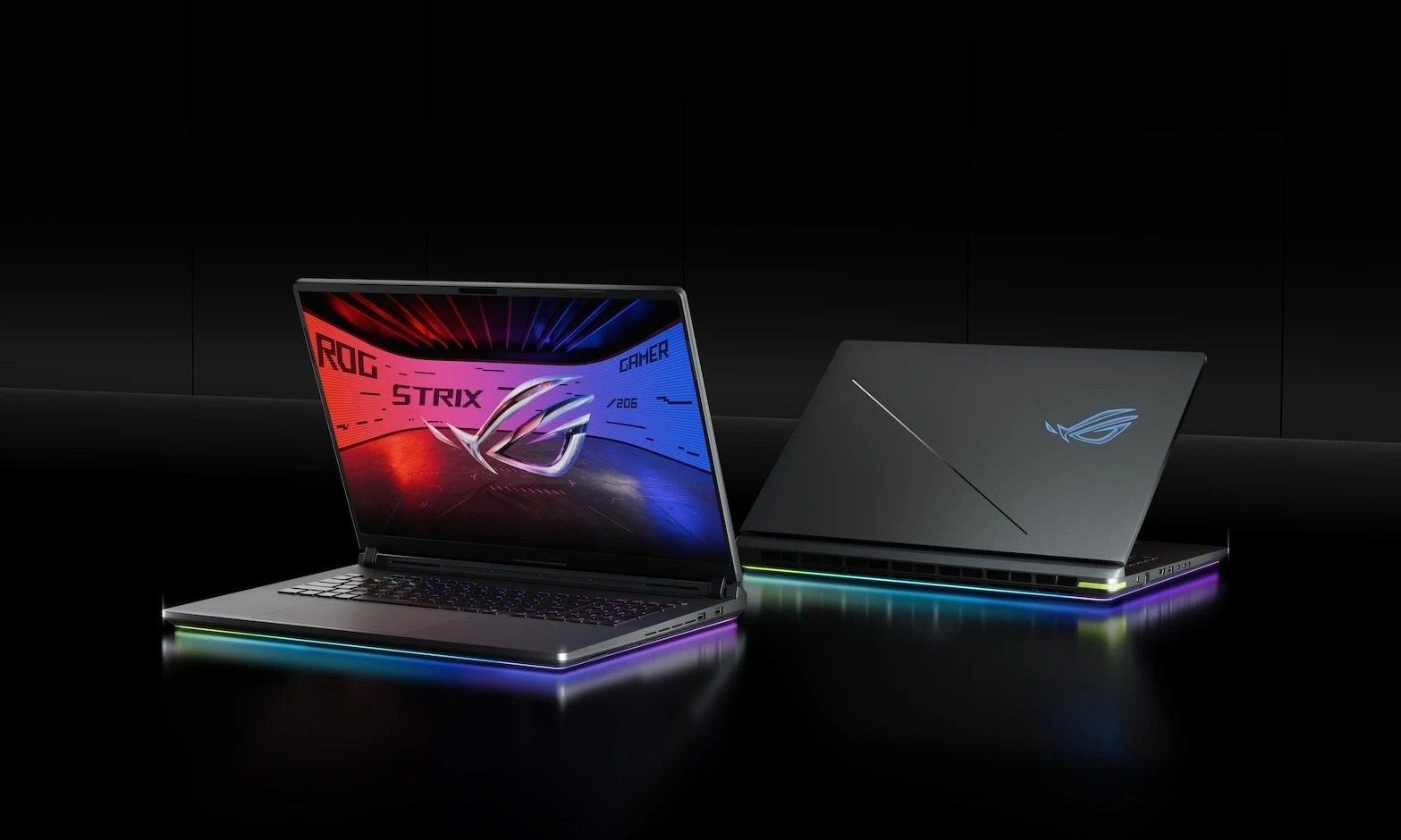
Asus has started rolling out the 2026 ROG Strix G18 globally, and the easiest way to describe it is as a slightly toned-down version of the ridiculous ROG Strix Scar 18. It keeps the same 24-core Intel Core Ultra 9 290HX Plus processor but tops out at an Nvidia GeForce RTX 5080 Laptop GPU instead of the Scar’s RTX 5090. (via Notebookcheck)

The Mini LED model gets the best balance

Read more
Every app on my phone has decided I need AI, and none of them bothered to ask
AI assistants are invading everything from photo libraries to messaging apps, and dismissing them only seems to guarantee they’ll return later.
Electronics, Phone, Mobile Phone

My wife doesn’t use AI very much. She isn’t philosophically opposed to it, nor is she waiting for the machines to overthrow civilization. She simply opens Google Photos because she wants to look at her photos.

Lately, however, the app keeps greeting her with invitations to try its AI tools. Google would very much like her to search her library conversationally, generate something new, or ask Gemini to edit a photo. She dismisses the prompt, gets on with her life, and eventually meets it again.

Read more
Shopping for Back-to-school? These are the gaming laptops I’d recommend
Powerful enough for AAA games, practical enough for everyday lectures, assignments, and everything in between.
oled gaming laptop

Every gamer knows the pain of trying to do too much with the wrong hardware. Back-to-School is the perfect excuse to fix that. A good gaming laptop shouldn’t just hit high frame rates -- it should also survive endless browser tabs, assignments, coding sessions, video edits, and everything else college throws at it. These five machines strike that balance better than most, which is exactly why they’d be my picks this semester.

Alienware 16 Aurora

Read more