1. Home
  2. Emerging Tech
  3. News

Glowing pink Pepto Bismol-colored planes? Yep, NASA has them

Add as a preferred source on Google

It’s unicorns and bubble gum at NASA as the space agency douses planes in a glowing pink paint. The aeronautical parts are being coated with a bright pink paint not for fun or even for a popular cause, but as part of a larger initiative to improve the aerodynamics of modern aircraft.

The pink paint being used by the space agency is a pressure-sensitive material developed and used by NASA engineers for the past 25 years. The paint was formulated and refined by NASA in the late 1980s by former astronaut Janet Kavandi and a team of researchers from the University of Washington.

Recommended Videos

The base material relies heavily on the work of German scientist Hans Kautsky, who in 1935 discovered that the brightness of luminescence was influenced by oxygen — he found that the greater the oxygen concentration, the lower the luminescence.

The researchers at NASA in turn took their knowledge of how the air pressure in a wind tunnel changed oxygen levels and combined it with Kautsky’s work on luminescence to create their signature pink glowing paint.

Related: ‘Can I borrow your pickup?’ NASA needs help moving an asteroid

To test each part of the aircraft, NASA coats the aircraft components with a layer of the pressure-sensitive paint that is one-and-a-half thousandths of an inch thick. Once the paint dries, the part is placed in a wind tunnel that is equipped with blue LED lights. These lights excite the luminophores inside the paint and cause them to fluoresce a pretty pink.

As the wind passes over the surface of the craft, it creates areas with different surface pressures. Areas with high pressure contain higher levels of oxygen, which causes the luminophores to dim, while low-pressure areas continue to shine brightly because their oxygen levels remain low.

Black and white cameras capture these subtle differences, which are then analyzed by engineers who are developing and testing new aircraft designs. Armed with knowledge gleaned from these aerodynamic studies, NASA expects to use this information to develop planes that use half the amount of fuel, produce 75-percent less pollution and cut noise to one-eighth of what planes today produce. Talk about the power of pink.


Kelly Hodgkins
Kelly's been writing online for ten years, working at Gizmodo, TUAW, and BGR among others. Living near the White Mountains of…
Study finds humans will talk to AI ghosts of the dead as reincarnations, and it’s pretty grim
The first AI ghost study is in. The results are about as complicated as you'd expect.
VR Headset, Person, Face

A new study from the University of Colorado Boulder confirms something that sounds both impressive and concerning. People find interacting with AI simulations of their dead loved ones deeply meaningful, and most will come away wanting to do it again.

The researchers call it a "generative ghost," which is a clear reference to generative AI, but I’d still prefer to call it unsettling.

Read more
China’s UBTech unveils eerily lifelike companion robots, and yes, they want to move in with you
UBTech's new humanoid robots are built for companionship, using emotion-aware AI, long-term memory, and humanlike expressions to become part of your everyday life.
UBTech Uworld U1 series robot launch

A humanoid robot designed to live in your house, learn your habits, and pick up on your mood without being prompted is no longer science fiction. Shenzhen-based UBTech Robotics unveiled its Uworld U1 series this week, introducing three robots built for companionship rather than factory work or household chores.

A body that moves like yours, and a brain that reads how you feel

Read more
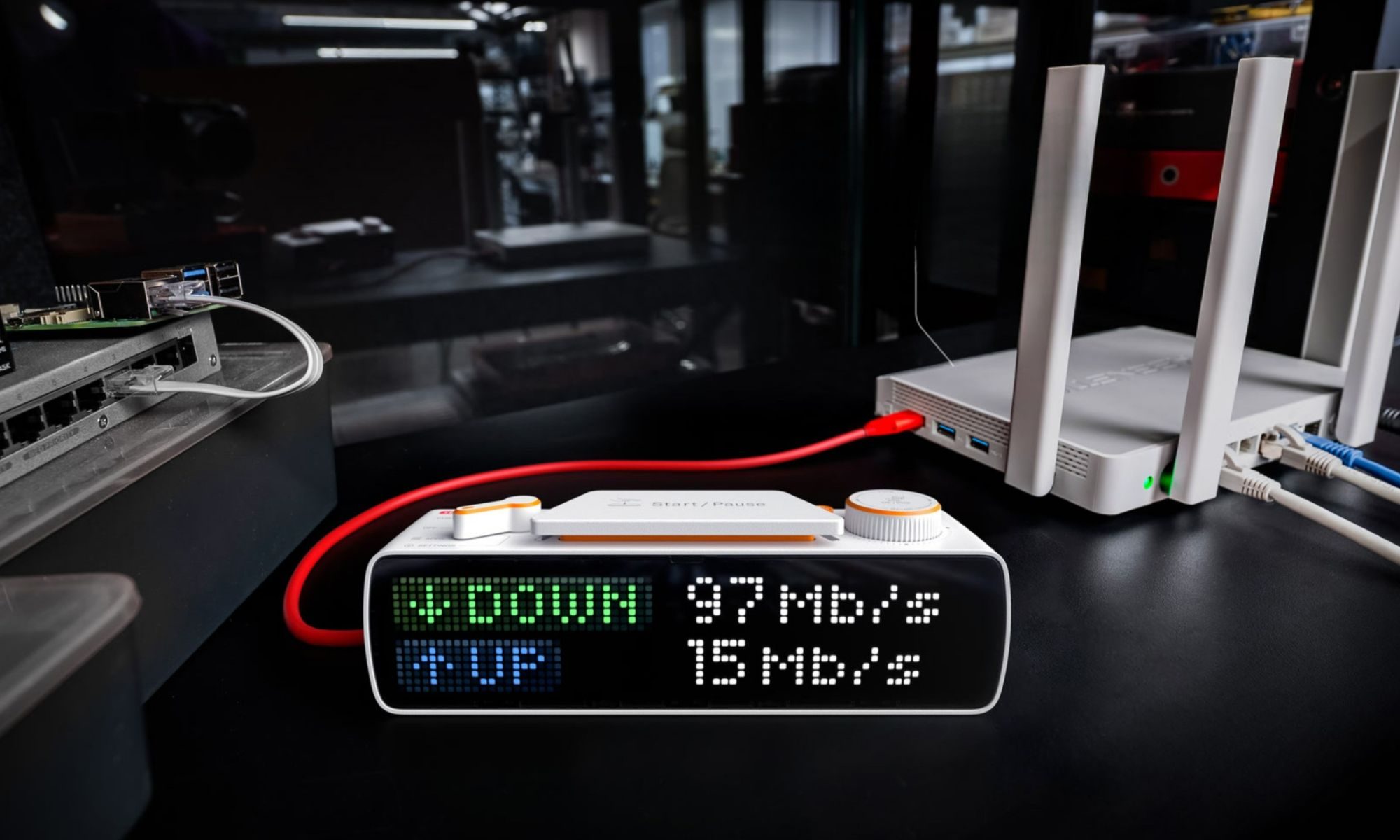
This $249 LED sign wants to fix your work-life balance
My productivity isn't worth $249... or is it?
Flipper Busy Bar

Flipper Devices has built a reputation among hackers and hardware enthusiasts with the Flipper Zero, a pocket-sized gadget capable of interacting with RFID, NFC, Bluetooth, and other wireless protocols. Now, the London-based company is taking a very different approach.

Its latest product, the Busy Bar, is a desktop productivity display designed to help users stay focused, signal their availability, and automate parts of their workflow. After being teased last year, the device is finally going on sale on July 14. While the concept is genuinely clever, its starting price of up to $249 may make many buyers think twice.

Read more