1. Home
  2. Phones
  3. Business
  4. Mobile
  5. News

Sprint’s parent company just bought ARM, the biggest smartphone chip designer

Add as a preferred source on Google

Japanese mobile giant SoftBank has agreed to acquire British chip designer ARM in a deal worth £24.3 billion (about $32 billion).

ARM, which designs the vast majority of chips selling in mobile devices today and is widely considered as the U.K.’s most successful tech outfit, confirmed the news on Monday. Rather than build the microchips itself, the company licenses the technology to firms such as Qualcomm, Apple, and Samsung, with more than 60 billion ARM-based chips shipped globally to date.

Recommended Videos

The acquisition, the largest ever of a European tech firm, reflects SoftBanks’ confidence in the future success of the so-called “Internet of Things,” a growing market where everyday objects and machines – refrigerators, washers, watches, cars, and so on – are built to communicate with each other. Using, SoftBank hopes, chips designed by ARM.

Commenting on the deal, ARM CEO Simon Segars said the two companies “share a vision of the way technology is going to change people’s lives, the way technology is going to enable communication and collaboration around the world.”

He added, “With SoftBank’s backing, with the level of investment they can make in this business, we believe we’ll be able to achieve more than we could standing on our own.”

ARM, based in the university city of Cambridge about 40 miles north of London, was founded in 1990 and currently employs more than 3,000 people. Around 1,500 new jobs are expected to be created in the U.K. over the next five years as a result of the SoftBank deal, with additional positions created overseas.

SoftBank founder and CEO Masayoshi Son said in a statement on Monday that its latest acquisition would be “an excellent strategic fit,” at the same time noting the “competitive advantage provided by the deep pool of science and technology talent in Cambridge.”

Tokyo-based SoftBank already owns a slew of technology-related firms – Sprint among them – and has also increased its global profile in the last couple of years via Pepper, a robot which can respond to human emotions that it created in collaboration with French robotics firm Aldebaran SAS.

Trevor Mogg
Contributing Editor
Not so many moons ago, Trevor moved from one tea-loving island nation that drives on the left (Britain) to another (Japan)…
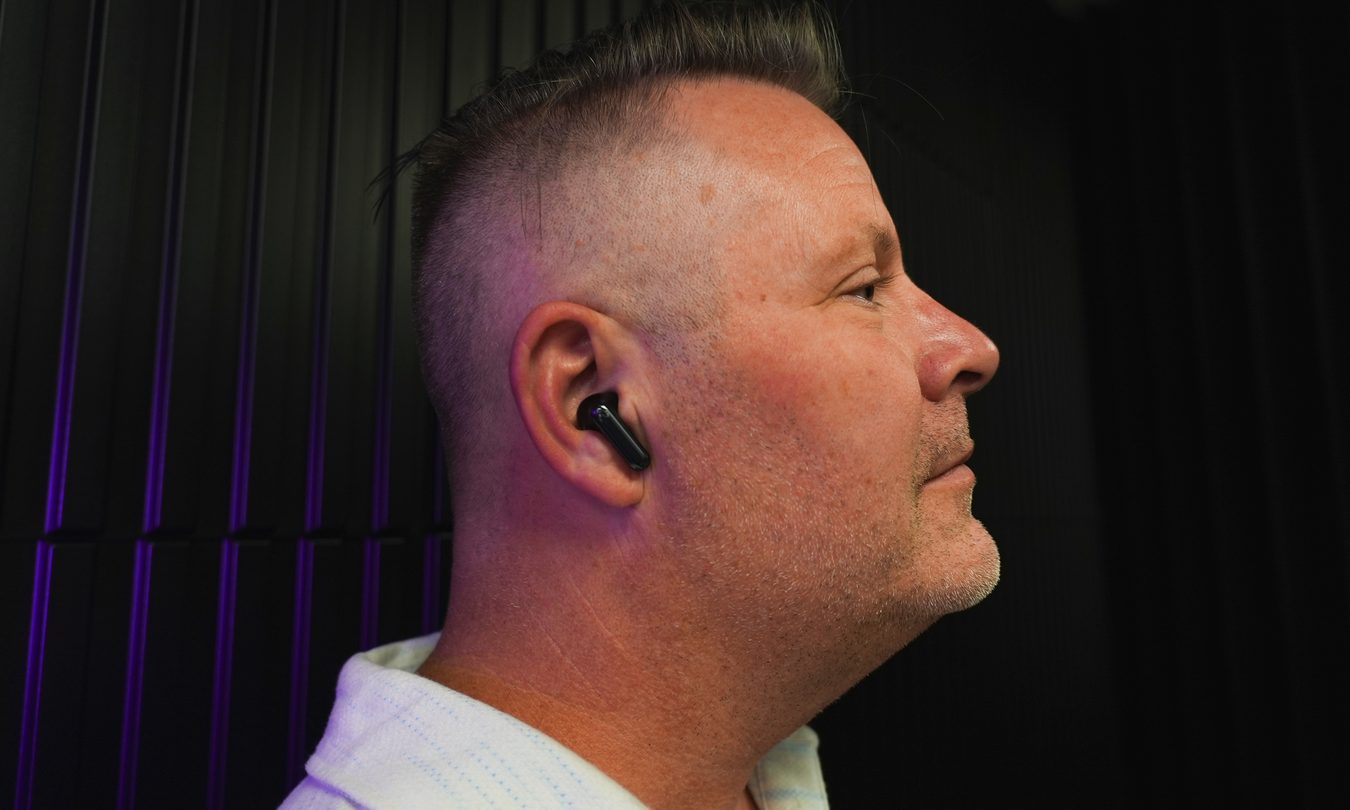
Viaim RecDot Review: These AI earbuds sounds great and also take notes for you
These earbuds do the one thing they set out to do, and they do it extremely well.
Viaiam RecDot in-ear

Button Text

Quick Take

Read more
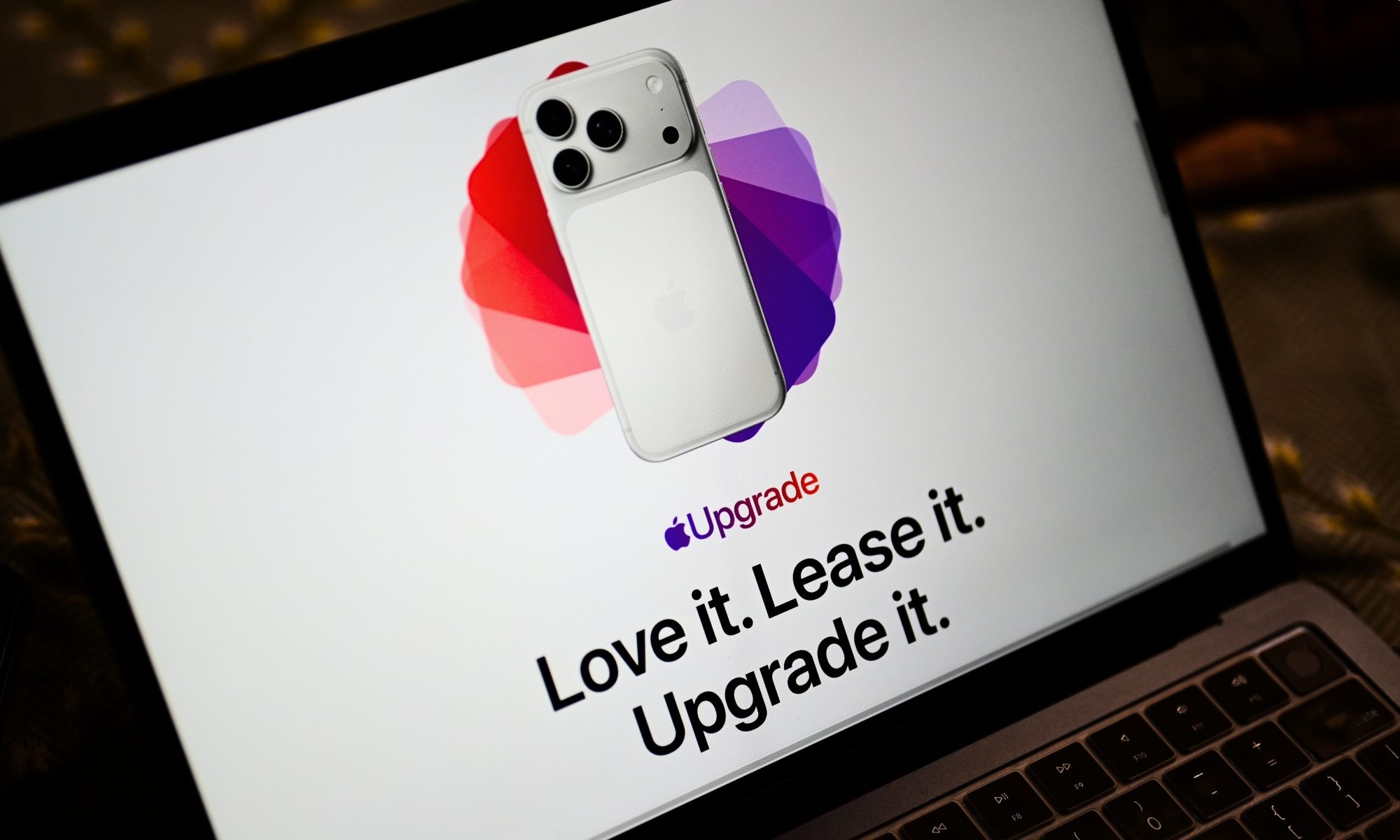
Apple’s new Upgrade plan looks cheap until you remember who owns the device
Apple Upgrade could be perfect for serial upgraders. But most people aren't one
Computer, Electronics, Laptop

Apple has found a great way to make an expensive iPhone more approachable. Apple Upgrade lets customers lease eligible devices through Klarna, with iPhone terms lasting 12 or 24 months. At the end, you can return the device, begin another lease, or pay the remaining amount to own it.

My initial reaction focused heavily on the value customers lose by returning an iPhone they could have sold or traded. While that concern is still valid, the program makes considerably more sense for a select group of people who already replace their iPhones every year. But the question is... how many people actually do that?

Read more
Pixel 11 Pro Fold appears in official-looking images, and its design leaves me underwhelmed
Google’s next foldable looks too similar to the Pixel 10 Pro Fold
Electronics, Mobile Phone, Phone

Previous CAD renders had already lowered my expectations for the Pixel 11 Pro Fold. The latest promotional material shared by Evan Blass through the Leakmail newsletter leaves little hope of anything beyond a new paint job and design tweaks so minor that most people would struggle to notice them without looking closely.

The phone looks disappointingly similar to the Pixel 10 Pro Fold, retaining the same proportions, rounded corners, and unusual camera island. I have never liked the way Google stacks what look like two smaller Pixel camera visors on top of each other. It feels awkward rather than cohesive.

Read more