1. Home
  2. Phones
  3. Android
  4. Mobile
  5. News

The Sharp Basio 2 is a peculiar beast that packs physical call and message buttons

Add as a preferred source on Google

There are times when you can look at a phone’s spec sheet and make a rational judgment based on what you see. However, the Sharp Basio 2 SHV36 is here to break those notions with a few interesting additions that you might not find anywhere else.

Let’s start with that spec sheet. The Basio 2 features a 5-inch, 1,280 x 720 resolution IGZO display, with an octa-core Qualcomm Snapdragon 617 and 2GB RAM powering the phone. The phone also comes with 16GB of native storage, though you will likely get less than that out of the box, with a 2,810mAh battery keeping the lights on. Finally, Android Marshmallow runs the show, though you will not notice it under Sharp’s heavy software skin.

Recommended Videos

However, the spec sheet does not adequately explain the Basio 2’s story. The phone’s peculiar nature starts with the physical call, home, and message buttons. Physical call buttons have not seen the light of day in the world of Android for quite some time, with a physical message button even more bizarre to see. Both buttons have built-in LEDs for notifications, with the phone button sending users to the dialer and call log, and the message button sending them to their emails and text messages.

The Basio 2’s strangeness does not stop there, however, as the phone’s software features a built-in magnifier, which, combined with the large icons, speaks to the phone’s focus on the older users and others who may not see very well. Elsewhere, the bottom portion of the display is reserved for three of your favorite contacts, and the 13-megapixel camera shielded by a sliding cover when not used. Weirdly enough, the LED flash remains on the outside, which lets you use the Basio 2 as a flashlight when the camera is covered.

Finally, the phone’s IP55 and IP58 certifications ensure it’s protected against dust and freshwater — it stays safe when immersed in freshwater for up to 30 minutes.

Unfortunately, the Basio 2 is unlikely to leave its home country of Japan. Importers will have to wait until August 5 to get their hands on the phone, which will come in gold, red, and blue.

Williams Pelegrin
Williams is an avid New York Yankees fan, speaks Spanish, resides in Colorado, and has an affinity for Frosted Flakes. Send…
TSMC might set up a price hike that could come straight for your next phone, laptop, or tablet
Here's what TSMC's rumored 10% chip price increase actually means in dollar terms, and why your next phone or laptop could end up costing more.
TSMC Fab

My wallet flinched the second I saw the words "TSMC" and "price increase" in the same headline, and honestly, yours should too.

Turns out the company behind the silicon powering basically every flagship device out there, including Apple’s A-series and Qualcomm’s Snapdragon processors, is reportedly about to make all of it a little pricier.

Read more
Samsung’s free storage doubling for preorders is gone in Austria, and the replacement isn’t as sweet
Samsung's free storage doubling deal might just be history.
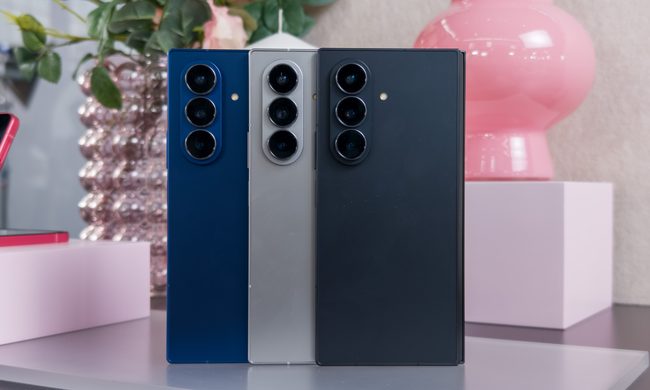
The back of the Galaxy Z Fold 7

If you've pre-ordered a Samsung foldable purely for the free storage bump, tomorrow's Unpacked event might sting a little.

For years, pre-ordering a new Galaxy meant automatically getting double the storage at no additional charge. Buy the 128GB model, walk away with 256GB for the same price. The same applied to the 256GB and 512GB models. However, that might change at the upcoming Galaxy Unpacked event. 

Read more
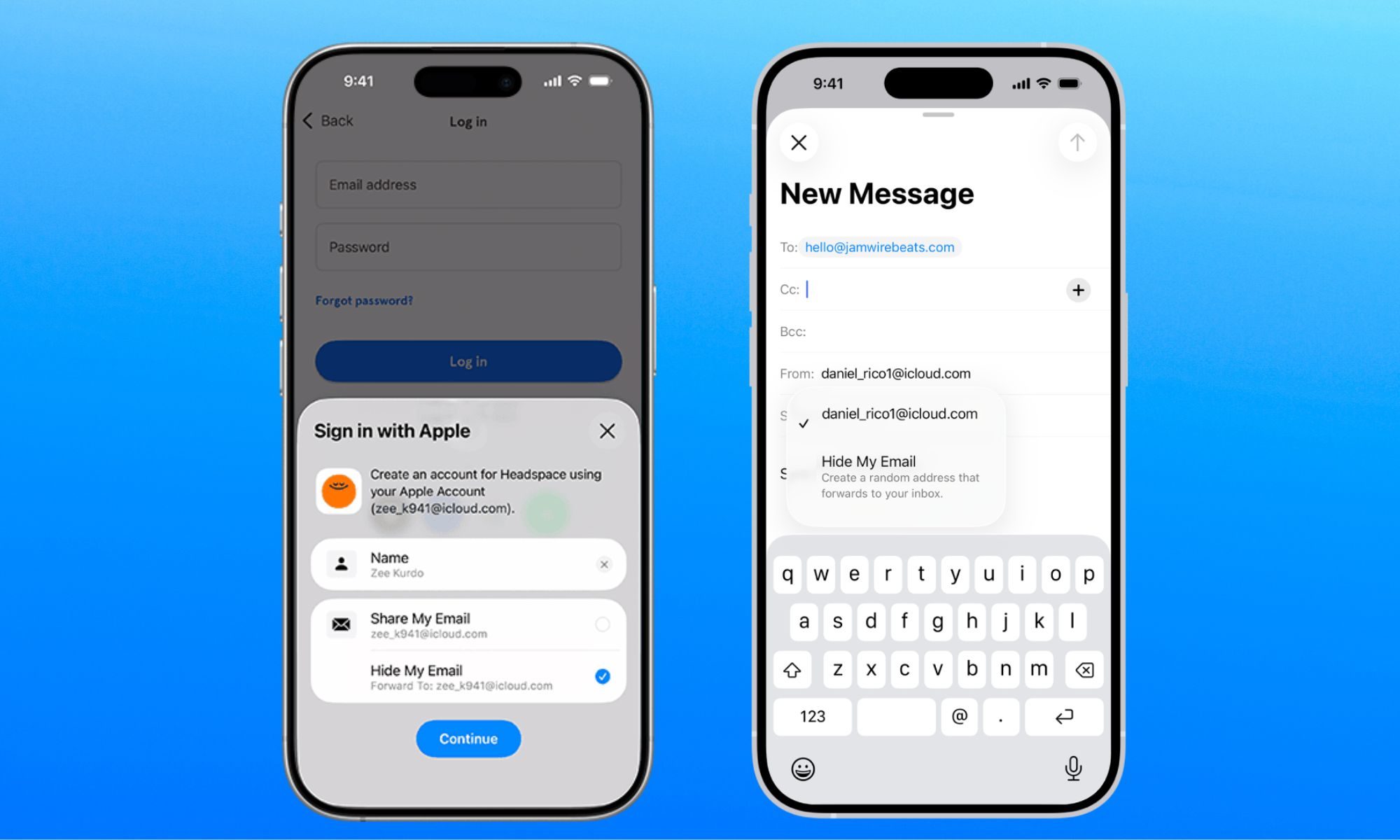
Apple fixes Hide My Email bug that exposed users’ real email addresses
Here's how Apple's Hide My Email flaw leaked real addresses for over a year, and why it only got fixed once the story went public.
apple-merging-sign-in-with-apple-hide-my-email-icloud+

Turns out the "Hide" part of Hide My Email wasn't doing its job quite as advertised, something that I covered early in July. Security researcher Tyler Murphy reported the flaw in June 2025, but despite Apple claiming it was resolved in March 2026, independent tests confirmed it remained exploitable, at least until July 3, 2026.

So how did this bug actually work?

Read more